
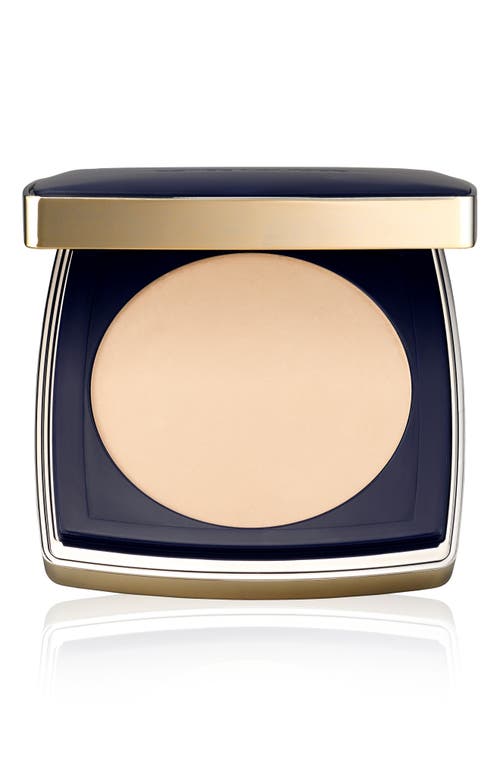


Estee Lauder Double Wear Stay In Place Matte Powder Foundation - Sand
Analysis updated August 2026 · How Scout scores
At a glance
Summary
This foundation contains a mix of synthetic and natural ingredients, with some beneficial components like tocopherol, which offers antioxidant benefits. However, the presence of synthetic colorants and aluminum powder, along with the processed nature of the product, impacts its overall safety profile. The formulation lacks major harmful chemicals but does not qualify as all-natural, leading to a moderate score.
Key ingredients 30
TocopherolVery Good
Tocopherol, also known as Vitamin E, is used in cosmetics for its antioxidant properties. It is considered safe and beneficial for skin health. It helps protect the skin from oxidative stress and environmental damage.
Risks
There are minimal risks associated with tocopherol.
Benefits
It provides antioxidant protection and supports skin health.
Magnesium CarbonateGood
Beneficial ingredient — whole-food or functional value in this product class.
Risks
Inhalation of magnesium carbonate in powder form can cause respiratory irritation.
Benefits
It helps absorb excess oil and provides a matte finish to cosmetic products.
MicaGood
Beneficial ingredient — whole-food or functional value in this product class.
Risks
There are minimal risks associated with mica, primarily related to inhalation in powder form.
Benefits
It provides a shimmering, luminous finish to cosmetic products.
Synthetic FluorphlogopiteNeutral
Synthetic fluorphlogopite is a synthetic version of mica, used to add shimmer and improve texture in cosmetics. It is considered safe for use in cosmetics and does not pose significant health risks. It is often used as a safer alternative to natural mica, which can be contaminated with heavy metals.
Risks
There are minimal risks associated with synthetic fluorphlogopite, primarily related to inhalation in powder form.
Benefits
It provides a smooth, shimmery finish to cosmetic products without the impurities found in natural mica.
Zinc StearateNeutral
Zinc stearate is a zinc salt of stearic acid, used as a lubricant and thickening agent in cosmetics. It is generally recognized as safe for use in cosmetics. It helps improve the texture and spreadability of products.
Risks
Inhalation of zinc stearate in powder form can cause respiratory irritation.
Benefits
It enhances the texture and application of cosmetic products, providing a smooth finish.
Boron NitrideNeutral
Boron nitride is used in cosmetics for its lubricating and light-diffusing properties. It is considered safe for use in cosmetics and does not pose significant health risks. It helps improve the feel and application of products.
Risks
There are minimal risks associated with boron nitride, primarily related to inhalation in powder form.
Benefits
It provides a silky texture and enhances the application of cosmetic products.
SilicaNeutral
Silica is used in cosmetics as an absorbent and anti-caking agent. It is generally considered safe for use in cosmetics. It helps control shine and improve the texture of products.
Risks
Inhalation of silica in powder form can cause respiratory issues.
Benefits
It helps absorb excess oil and provides a matte finish to cosmetic products.
AluminaNeutral
Alumina is used in cosmetics as an abrasive and thickening agent. It is considered safe for use in cosmetics. It helps improve the texture and stability of products.
Risks
There are minimal risks associated with alumina, primarily related to inhalation in powder form.
Benefits
It enhances the texture and stability of cosmetic products.
Polyglyceryl-3 DiisostearateNeutral
Polyglyceryl-3 diisostearate is an emulsifier used in cosmetics to help mix oil and water-based ingredients. It is considered safe for use in cosmetics. It helps improve the consistency and stability of products.
Risks
There are minimal risks associated with polyglyceryl-3 diisostearate.
Benefits
It enhances the consistency and stability of cosmetic formulations.
Lauroyl LysineNeutral
Lauroyl lysine is used in cosmetics as a conditioning agent and to improve the feel of products. It is considered safe for use in cosmetics. It helps improve the texture and application of products.
Risks
There are minimal risks associated with lauroyl lysine.
Benefits
It enhances the texture and application of cosmetic products.
Butylene Glycol Dicaprylate/DicaprateNeutral
Butylene glycol dicaprylate/dicaprate is used in cosmetics as an emollient and skin conditioning agent. It is considered safe for use in cosmetics. It helps improve the texture and feel of products.
Risks
There are minimal risks associated with butylene glycol dicaprylate/dicaprate.
Benefits
It provides a smooth, silky feel to cosmetic products.
TriethoxycaprylylsilaneNeutral
Triethoxycaprylylsilane is used in cosmetics as a surface modifier to improve the dispersion of pigments. It is considered safe for use in cosmetics. It helps improve the stability and application of products.
Risks
There are minimal risks associated with triethoxycaprylylsilane.
Benefits
It enhances the stability and application of cosmetic formulations.
Caprylic/Capric TriglycerideNeutral
Caprylic/capric triglyceride is used in cosmetics as an emollient and skin conditioning agent. It is considered safe for use in cosmetics. It helps improve the texture and feel of products.
Risks
There are minimal risks associated with caprylic/capric triglyceride.
Benefits
It provides a smooth, silky feel to cosmetic products.
Caprylyl GlycolNeutral
Caprylyl glycol is used in cosmetics as a skin conditioning agent and preservative. It is considered safe for use in cosmetics. It helps improve the texture and stability of products.
Risks
There are minimal risks associated with caprylyl glycol.
Benefits
It enhances the texture and stability of cosmetic formulations.
EthylhexylglycerinNeutral
Ethylhexylglycerin is used in cosmetics as a skin conditioning agent and preservative enhancer. It is considered safe for use in cosmetics. It helps improve the texture and stability of products.
Risks
There are minimal risks associated with ethylhexylglycerin.
Benefits
It enhances the texture and stability of cosmetic formulations.
Dimer Dilinoleyl Dimer DilinoleateNeutral
Dimer dilinoleyl dimer dilinoleate is used in cosmetics as an emollient and film-forming agent. It is considered safe for use in cosmetics. It helps improve the texture and feel of products.
Risks
There are minimal risks associated with dimer dilinoleyl dimer dilinoleate.
Benefits
It provides a smooth, silky feel to cosmetic products.
Titanium Dioxide (Ci 77891)Neutral
Titanium dioxide is used in cosmetics as a pigment and UV filter. It is considered safe for use in cosmetics. It helps provide coverage and sun protection in products.
Risks
Inhalation of titanium dioxide in powder form can cause respiratory issues.
Benefits
It provides coverage and sun protection in cosmetic products.
Iron Oxides (Ci 77491, Ci 77492, Ci 77499)Neutral
Iron oxides are used in cosmetics as pigments to provide color. They are considered safe for use in cosmetics. They help provide natural-looking color to products.
Risks
There are minimal risks associated with iron oxides.
Benefits
They provide natural-looking color to cosmetic products.
Aluminum Powder (Ci 77000)Neutral
Aluminum powder is used in cosmetics as a pigment to provide color. It is considered safe for use in cosmetics. It helps provide metallic color to products.
Risks
There are minimal risks associated with aluminum powder, primarily related to inhalation in powder form.
Benefits
It provides metallic color to cosmetic products.
Bismuth Oxychloride (Ci 77163)Neutral
Bismuth oxychloride is used in cosmetics for its shimmering properties and to improve texture. It is considered safe for use in cosmetics. It helps provide a luminous finish to products.
Risks
There are minimal risks associated with bismuth oxychloride, primarily related to inhalation in powder form.
Benefits
It provides a shimmering, luminous finish to cosmetic products.
Bronze Powder (Ci 77400)Neutral
Bronze powder is used in cosmetics as a pigment to provide color. It is considered safe for use in cosmetics. It helps provide a metallic bronze color to products.
Risks
There are minimal risks associated with bronze powder, primarily related to inhalation in powder form.
Benefits
It provides a metallic bronze color to cosmetic products.
Chromium Hydroxide Green (Ci 77289)Neutral
Chromium hydroxide green is used in cosmetics as a pigment to provide color. It is considered safe for use in cosmetics. It helps provide a green color to products.
Risks
There are minimal risks associated with chromium hydroxide green.
Benefits
It provides a green color to cosmetic products.
Chromium Oxide Greens (Ci 77288)Neutral
Chromium oxide greens are used in cosmetics as pigments to provide color. They are considered safe for use in cosmetics. They help provide a green color to products.
Risks
There are minimal risks associated with chromium oxide greens.
Benefits
They provide a green color to cosmetic products.
Copper Powder (Ci 77400)Neutral
Copper powder is used in cosmetics as a pigment to provide color. It is considered safe for use in cosmetics. It helps provide a metallic copper color to products.
Risks
There are minimal risks associated with copper powder, primarily related to inhalation in powder form.
Benefits
It provides a metallic copper color to cosmetic products.
Ferric Ammonium Ferrocyanide (Ci 77510)Neutral
Ferric ammonium ferrocyanide is used in cosmetics as a pigment to provide color. It is considered safe for use in cosmetics. It helps provide a blue color to products.
Risks
There are minimal risks associated with ferric ammonium ferrocyanide.
Benefits
It provides a blue color to cosmetic products.
Ferric Ferrocyanide (Ci 77510)Neutral
Ferric ferrocyanide is used in cosmetics as a pigment to provide color. It is considered safe for use in cosmetics. It helps provide a blue color to products.
Risks
There are minimal risks associated with ferric ferrocyanide.
Benefits
It provides a blue color to cosmetic products.
Manganese Violet (Ci 77742)Neutral
Manganese violet is used in cosmetics as a pigment to provide color. It is considered safe for use in cosmetics. It helps provide a violet color to products.
Risks
There are minimal risks associated with manganese violet.
Benefits
It provides a violet color to cosmetic products.
Ultramarines (Ci 77007)Neutral
Ultramarines are used in cosmetics as pigments to provide color. They are considered safe for use in cosmetics. They help provide a blue color to products.
Risks
There are minimal risks associated with ultramarines.
Benefits
They provide a blue color to cosmetic products.
Blue 1 Lake (Ci 42090)Neutral
Blue 1 Lake is used in cosmetics as a pigment to provide color. It is considered safe for use in cosmetics. It helps provide a blue color to products.
Risks
There are minimal risks associated with Blue 1 Lake.
Benefits
It provides a blue color to cosmetic products.
Yellow 5 Lake (Ci 19140)Neutral
Yellow 5 Lake is used in cosmetics as a pigment to provide color. It is considered safe for use in cosmetics. It helps provide a yellow color to products.
Risks
There are minimal risks associated with Yellow 5 Lake.
Benefits
It provides a yellow color to cosmetic products.
Get the full breakdown in the Scout appTake Scout shopping
Scan any product to see lab results, healthy alternatives, and your personalized analysis.
Download on theApp Store GET IT ONGoogle PlayAmazon pricing & content
Amazon price as of . Product prices and availability are accurate as of the date/time indicated and are subject to change. Any price and availability information displayed on Amazon.com at the time of purchase will apply to the purchase of this product.
CERTAIN CONTENT THAT APPEARS ON THIS SITE COMES FROM AMAZON. THIS CONTENT IS PROVIDED “AS IS” AND IS SUBJECT TO CHANGE OR REMOVAL AT ANY TIME.