

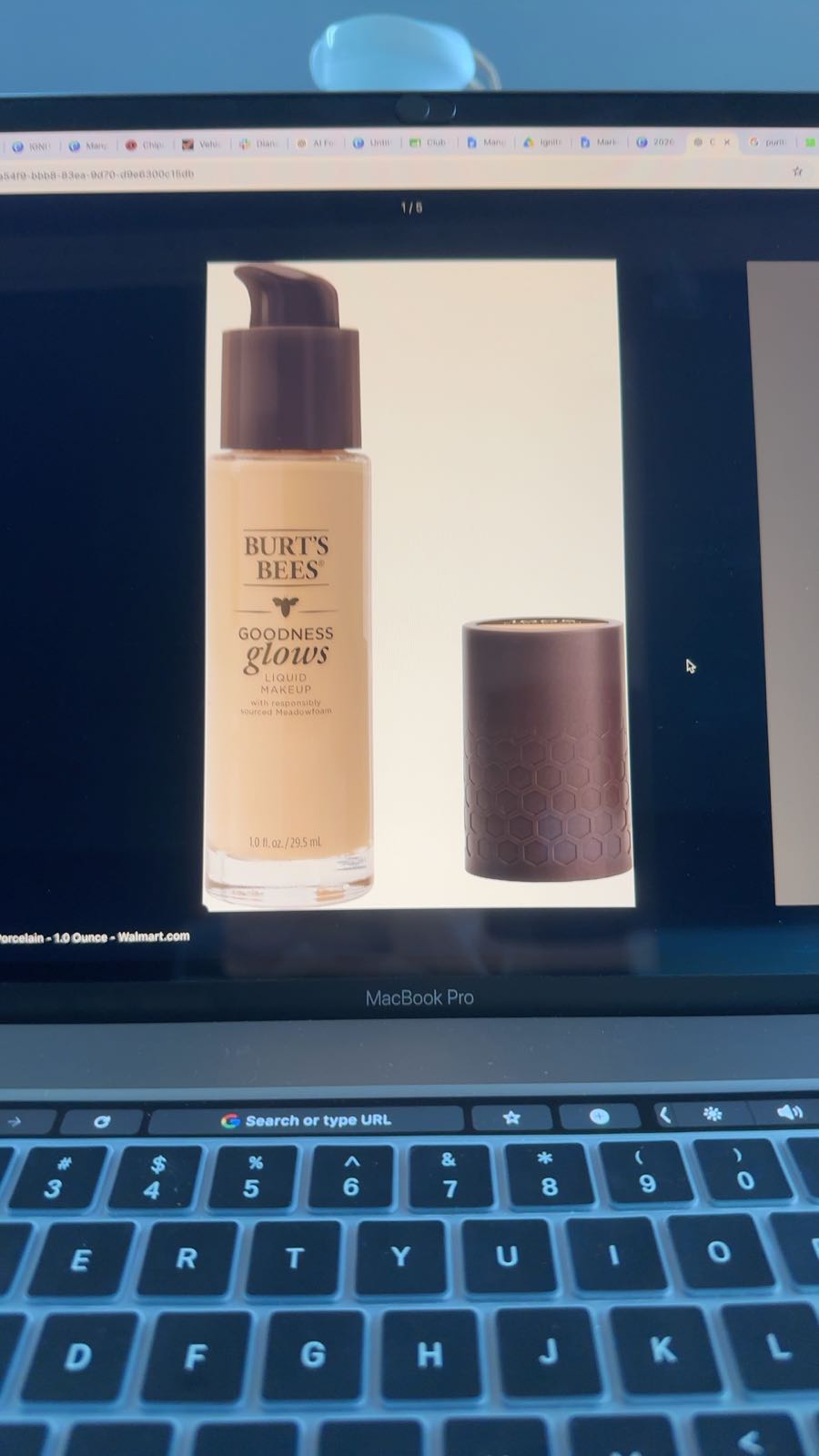
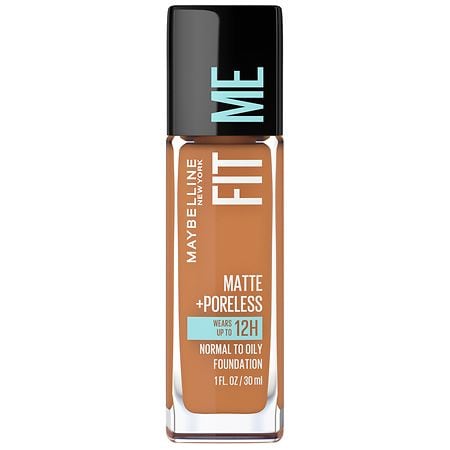


Clinique Anti Blemish Solutions Liquid Makeup - # 02 Fresh Ivory (VF) Women 1 oz
Analysis updated August 2026 · How Scout scores
At a glance
Summary
This foundation contains beneficial ingredients like salicylic acid, zinc PCA, and various extracts that support skin health and acne control. However, the presence of alcohol denat. as a top ingredient can be drying and irritating, which detracts from the overall safety of the product. The formulation includes some synthetic components, which slightly lowers its rating compared to more natural alternatives.
Key ingredients 44
Salicylic AcidVery Good
Salicylic Acid is a beta hydroxy acid used for its exfoliating and acne-fighting properties. It helps in unclogging pores and reducing inflammation. It is highly beneficial for acne-prone skin.
Risks
It may cause irritation or dryness, especially in sensitive skin or with overuse.
Benefits
It helps in treating acne and improving skin texture by exfoliating dead skin cells.
Hamamelis Virginiana WaterGood
Hamamelis Virginiana Water, also known as witch hazel, is used for its astringent and soothing properties. It helps in reducing inflammation and tightening the skin. It is generally considered beneficial for skin health.
Risks
It may cause irritation or dryness in some individuals, especially with prolonged use.
Benefits
It helps in soothing the skin and reducing redness and inflammation.
TrehaloseGood
Trehalose is a sugar-based ingredient used for its moisturizing and antioxidant properties. It helps in protecting the skin from dehydration and environmental stress. It is generally considered safe and beneficial for skin health.
Risks
There are minimal risks associated with Trehalose.
Benefits
It helps in maintaining skin hydration and provides antioxidant protection.
Zinc PCAGood
Zinc PCA is used for its sebum-regulating and antimicrobial properties. It helps in controlling oil production and reducing acne. It is generally considered beneficial for oily and acne-prone skin.
Risks
There are minimal risks associated with Zinc PCA.
Benefits
It helps in controlling excess oil and reducing acne-related issues.
Algae ExtractGood
Algae Extract is used for its moisturizing and antioxidant properties. It helps in protecting the skin from environmental damage and improving hydration. It is generally considered beneficial for skin health.
Risks
There are minimal risks associated with Algae Extract.
Benefits
It helps in maintaining skin hydration and provides antioxidant protection.
Lactobacillus FermentGood
Lactobacillus Ferment is used for its probiotic and skin-soothing properties. It helps in balancing the skin microbiome and reducing inflammation. It is generally considered beneficial for skin health.
Risks
There are minimal risks associated with Lactobacillus Ferment.
Benefits
It helps in soothing the skin and supporting a healthy skin barrier.
Laminaria Saccharina ExtractGood
Laminaria Saccharina Extract is used for its moisturizing and antioxidant properties. It helps in protecting the skin from environmental stress and improving hydration. It is generally considered beneficial for skin health.
Risks
There are minimal risks associated with Laminaria Saccharina Extract.
Benefits
It helps in maintaining skin hydration and provides antioxidant protection.
Glycyrrhetinic AcidGood
Glycyrrhetinic Acid is derived from licorice root and is used for its anti-inflammatory and skin-soothing properties. It helps in reducing redness and irritation. It is generally considered beneficial for sensitive skin.
Risks
There are minimal risks associated with Glycyrrhetinic Acid.
Benefits
It helps in soothing the skin and reducing inflammation and redness.
GlycerinGood
Glycerin is a common humectant used in cosmetics to retain moisture and improve skin hydration. It helps in maintaining the skin's moisture balance. It is generally considered safe and beneficial for skin health.
Risks
There are minimal risks associated with Glycerin.
Benefits
It helps in keeping the skin hydrated and improving its texture.
TocopherolGood
Tocopherol, or Vitamin E, is used for its antioxidant properties. It helps in protecting the skin from environmental damage and improving skin health. It is generally considered beneficial for skin health.
Risks
There are minimal risks associated with Tocopherol.
Benefits
It helps in protecting the skin from environmental damage and improving skin health.
MicaGood
Beneficial ingredient — whole-food or functional value in this product class.
Risks
There are minimal risks associated with Mica, though inhalation of fine particles can be harmful.
Benefits
It helps in providing a shimmering effect and improving the texture of the product.
WaterNeutral
Water is a common solvent used in cosmetics to dissolve other ingredients. It helps in the application and absorption of the product. It is generally considered safe and non-irritating.
Risks
There are no significant risks associated with water in cosmetics.
Benefits
Water helps in hydrating the skin and acts as a base for other ingredients.
Methyl TrimethiconeNeutral
Methyl Trimethicone is a silicone-based compound used to improve the texture and spreadability of products. It provides a silky feel and helps in forming a protective barrier on the skin. It is generally considered safe for use in cosmetics.
Risks
Some individuals may experience mild irritation or allergic reactions.
Benefits
It helps in smoothing the skin and improving the application of the product.
Nylon-12Neutral
Nylon-12 is a synthetic polymer used to enhance the texture and feel of cosmetic products. It provides a soft focus effect and helps in absorbing excess oil. It is generally considered safe for use in cosmetics.
Risks
There are minimal risks associated with Nylon-12, though it may cause irritation in sensitive individuals.
Benefits
It helps in reducing the appearance of fine lines and provides a matte finish.
Butylene GlycolNeutral
Butylene Glycol is a common humectant used in cosmetics to retain moisture and improve product consistency. It enhances the penetration of other ingredients. It is generally considered safe for use in cosmetics.
Risks
It may cause irritation or allergic reactions in sensitive individuals.
Benefits
It helps in keeping the skin hydrated and enhances the texture of the product.
PEG-10 DimethiconeNeutral
PEG-10 Dimethicone is a silicone-based polymer used to improve the texture and spreadability of products. It provides a smooth application and helps in forming a protective barrier on the skin. It is generally considered safe for use in cosmetics.
Risks
There is a potential risk of contamination with ethylene oxide and 1,4-dioxane during manufacturing.
Benefits
It helps in smoothing the skin and improving the application of the product.
SilicaNeutral
Silica is used in cosmetics to improve texture and absorb excess oil. It provides a matte finish and helps in reducing the appearance of fine lines. It is generally considered safe for use in cosmetics.
Risks
Inhalation of silica particles can be harmful, but this is not a concern in liquid products.
Benefits
It helps in controlling oil and provides a smooth, matte finish.
TrimethylsiloxysilicateNeutral
Trimethylsiloxysilicate is a silicone-based compound used to improve the water resistance and durability of cosmetics. It forms a flexible film on the skin, enhancing product longevity. It is generally considered safe for use in cosmetics.
Risks
There are minimal risks associated with this ingredient, though it may cause irritation in sensitive individuals.
Benefits
It helps in improving the wear time of the product and provides a water-resistant finish.
Calcium StearateNeutral
Calcium Stearate is used as a thickening agent and emulsifier in cosmetics. It helps in improving the texture and stability of products. It is generally considered safe for use in cosmetics.
Risks
There are minimal risks associated with Calcium Stearate.
Benefits
It helps in stabilizing the product and improving its texture.
CaffeineNeutral
Standard formulation ingredient — neither beneficial nor harmful at typical use.
Risks
There are minimal risks associated with Caffeine.
Benefits
It helps in reducing puffiness and improving the appearance of the skin.
MethiconeNeutral
Methicone is a silicone-based compound used to improve the texture and spreadability of products. It provides a smooth application and helps in forming a protective barrier on the skin. It is generally considered safe for use in cosmetics.
Risks
There are minimal risks associated with Methicone, though it may cause irritation in sensitive individuals.
Benefits
It helps in smoothing the skin and improving the application of the product.
Lauryl PEG-9 Polydimethylsiloxyethyl DimethiconeNeutral
Lauryl PEG-9 Polydimethylsiloxyethyl Dimethicone is a silicone-based compound used to improve the texture and spreadability of products. It provides a smooth application and helps in forming a protective barrier on the skin. It is generally considered safe for use in cosmetics.
Risks
There is a potential risk of contamination with ethylene oxide and 1,4-dioxane during manufacturing.
Benefits
It helps in smoothing the skin and improving the application of the product.
IsohexadecaneNeutral
Isohexadecane is used as an emollient and solvent in cosmetics. It provides a lightweight, non-greasy feel and helps in improving the spreadability of products. It is generally considered safe for use in cosmetics.
Risks
There are minimal risks associated with Isohexadecane.
Benefits
It helps in providing a smooth, non-greasy application.
10-Hydroxydecanoic AcidNeutral
10-Hydroxydecanoic Acid is used for its antimicrobial and skin-conditioning properties. It helps in maintaining skin health and preventing microbial growth. It is generally considered safe for use in cosmetics.
Risks
There are minimal risks associated with 10-Hydroxydecanoic Acid.
Benefits
It helps in maintaining skin health and preventing microbial growth.
Sodium ChlorideNeutral
Sodium Chloride, or table salt, is used as a thickening agent and stabilizer in cosmetics. It helps in improving the texture and consistency of products. It is generally considered safe for use in cosmetics.
Risks
There are minimal risks associated with Sodium Chloride.
Benefits
It helps in stabilizing the product and improving its texture.
Dipropylene GlycolNeutral
Dipropylene Glycol is used as a solvent and humectant in cosmetics. It helps in retaining moisture and improving the texture of products. It is generally considered safe for use in cosmetics.
Risks
There are minimal risks associated with Dipropylene Glycol.
Benefits
It helps in keeping the skin hydrated and improving the texture of the product.
TromethamineNeutral
Tromethamine is used as a pH adjuster in cosmetics. It helps in maintaining the stability and effectiveness of products. It is generally considered safe for use in cosmetics.
Risks
There are minimal risks associated with Tromethamine.
Benefits
It helps in maintaining the stability and effectiveness of the product.
Sorbitan SesquioleateNeutral
Sorbitan Sesquioleate is used as an emulsifier in cosmetics. It helps in stabilizing and improving the texture of products. It is generally considered safe for use in cosmetics.
Risks
There are minimal risks associated with Sorbitan Sesquioleate.
Benefits
It helps in stabilizing the product and improving its texture.
Propylene CarbonateNeutral
Propylene Carbonate is used as a solvent and viscosity regulator in cosmetics. It helps in improving the texture and spreadability of products. It is generally considered safe for use in cosmetics.
Risks
There are minimal risks associated with Propylene Carbonate.
Benefits
It helps in improving the texture and spreadability of the product.
Disteardimonium HectoriteNeutral
Disteardimonium Hectorite is used as a thickening agent and stabilizer in cosmetics. It helps in improving the texture and consistency of products. It is generally considered safe for use in cosmetics.
Risks
There are minimal risks associated with Disteardimonium Hectorite.
Benefits
It helps in stabilizing the product and improving its texture.
Sodium CitrateNeutral
Sodium Citrate is used as a pH adjuster and chelating agent in cosmetics. It helps in maintaining the stability and effectiveness of products. It is generally considered safe for use in cosmetics.
Risks
There are minimal risks associated with Sodium Citrate.
Benefits
It helps in maintaining the stability and effectiveness of the product.
Benzoic AcidNeutral
Benzoic Acid is used as a preservative in cosmetics. It helps in preventing microbial growth and extending the shelf life of products. It is generally considered safe for use in cosmetics.
Risks
It may cause irritation or allergic reactions in sensitive individuals.
Benefits
It helps in preserving the product and preventing microbial growth.
CI 77891Neutral
CI 77891, also known as Titanium Dioxide, is used as a colorant and UV filter in cosmetics. It provides opacity and sun protection. It is generally considered safe for use in cosmetics.
Risks
There are minimal risks associated with CI 77891, though inhalation of fine particles can be harmful.
Benefits
It helps in providing sun protection and improving the opacity of the product.
CI 77491Neutral
CI 77491, also known as Iron Oxide Red, is used as a colorant in cosmetics. It provides pigmentation and is generally considered safe for use in cosmetics.
Risks
There are minimal risks associated with CI 77491.
Benefits
It helps in providing pigmentation and color to the product.
CI 77492Neutral
CI 77492, also known as Iron Oxide Yellow, is used as a colorant in cosmetics. It provides pigmentation and is generally considered safe for use in cosmetics.
Risks
There are minimal risks associated with CI 77492.
Benefits
It helps in providing pigmentation and color to the product.
CI 77499Neutral
CI 77499, also known as Iron Oxide Black, is used as a colorant in cosmetics. It provides pigmentation and is generally considered safe for use in cosmetics.
Risks
There are minimal risks associated with CI 77499.
Benefits
It helps in providing pigmentation and color to the product.
DimethiconeBad
Occlusive silicone film-former — flagged under clean-beauty doctrine.
Risks
It may cause irritation or allergic reactions in sensitive individuals.
Benefits
It helps in smoothing the skin and improving the application of the product.
Dimethicone/Vinyl Dimethicone CrosspolymerBad
Processed additive flagged under Scout's ingredient doctrine.
Risks
There are minimal risks associated with this ingredient, though it may cause irritation in sensitive individuals.
Benefits
It helps in smoothing the skin and improving the application of the product.
Dimethicone/PEG-10/15 CrosspolymerBad
Processed additive flagged under Scout's ingredient doctrine.
Risks
There is a potential risk of contamination with ethylene oxide and 1,4-dioxane during manufacturing.
Benefits
It helps in smoothing the skin and improving the application of the product.
LecithinBad
Processed additive flagged under Scout's ingredient doctrine.
Risks
There are minimal risks associated with Lecithin.
Benefits
It helps in improving skin hydration and texture.
Disodium EDTABad
Processed additive flagged under Scout's ingredient doctrine.
Risks
There are minimal risks associated with Disodium EDTA.
Benefits
It helps in maintaining the stability and effectiveness of the product.
PhenoxyethanolBad
Processed additive flagged under Scout's ingredient doctrine.
Risks
It may cause irritation or allergic reactions in sensitive individuals.
Benefits
It helps in preserving the product and preventing microbial growth.
Potassium SorbateBad
Synthetic preservative — flagged in daily-use products.
Risks
It may cause irritation or allergic reactions in sensitive individuals.
Benefits
It helps in preserving the product and preventing microbial growth.
Alcohol Denat.Very Bad
Alcohol Denat. is used as a solvent and astringent in cosmetics. It can help in quick drying of the product and provide a matte finish. However, it can be drying and irritating to the skin, especially in high concentrations.
Risks
It can cause dryness, irritation, and disrupt the skin's natural barrier.
Benefits
It helps in reducing the greasy feel of products and provides a quick-drying effect.
Get the full breakdown in the Scout appTake Scout shopping
Scan any product to see lab results, healthy alternatives, and your personalized analysis.
Download on theApp Store GET IT ONGoogle Play