
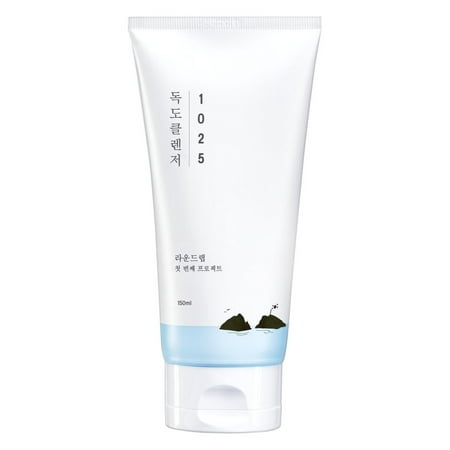

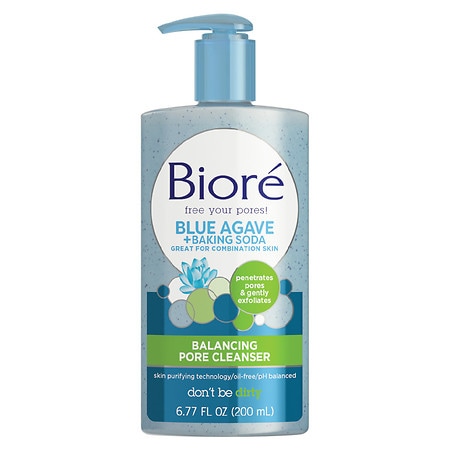
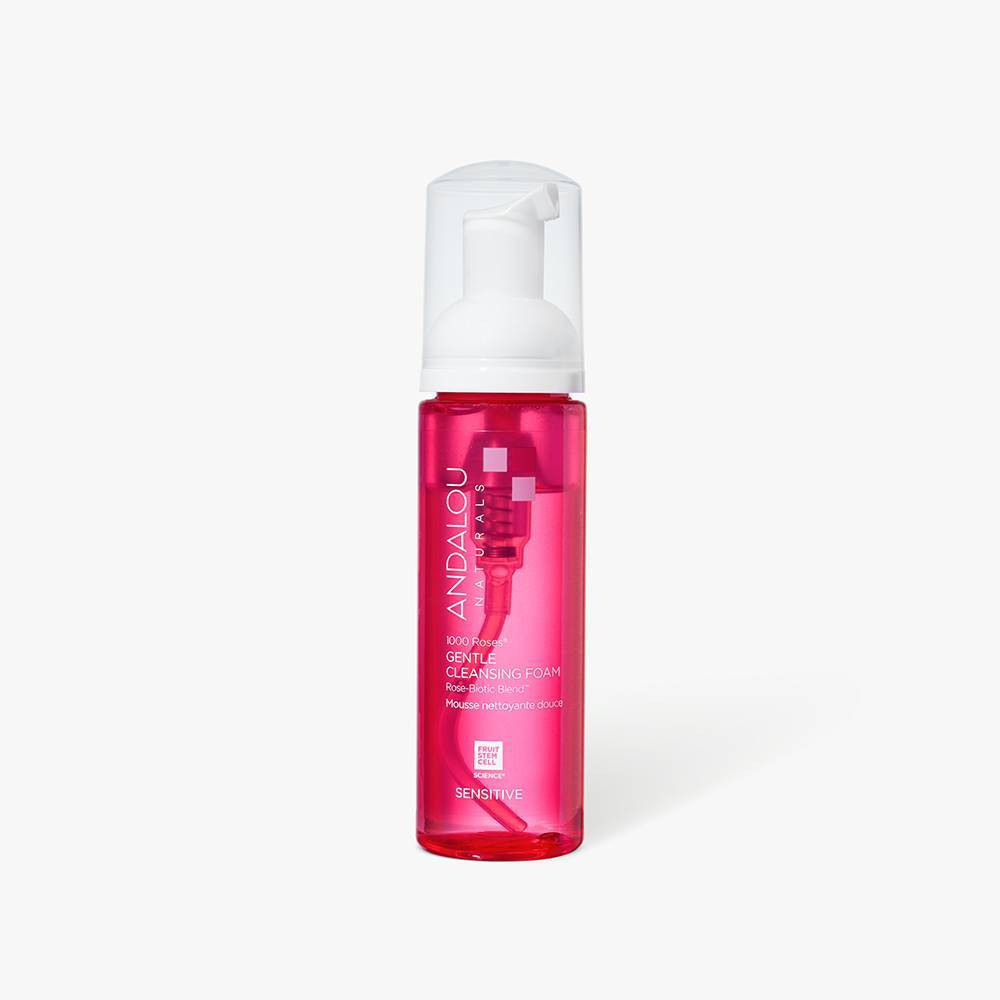
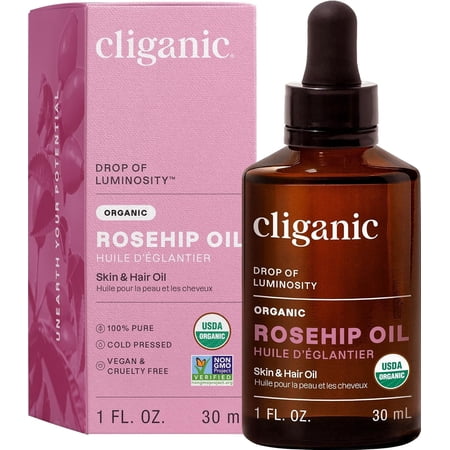
ROUND LAB - 1025 Dokdo Cleanser (150ml)
Analysis updated August 2026 · How Scout scores
At a glance
Summary
This cleanser features a range of beneficial ingredients such as glycerin, aloe, and chamomile oil, which are known for their moisturizing and soothing properties. It avoids harsh surfactants like SLS and SLES, and does not contain synthetic fragrances or parabens, which are common concerns in skincare. However, the presence of processed ingredients and the overall processing level slightly limit its score, despite the clean and beneficial formulation.
Key ingredients 18
OatVery Good
Oat is known for its soothing and anti-inflammatory properties, making it ideal for sensitive and irritated skin. It can help to calm redness and irritation. It is a well-regarded ingredient in skincare for its gentle nature.
Risks
There are no significant risks associated with oat.
Benefits
It soothes and calms irritated skin, reducing redness and inflammation.
AloeVery Good
Aloe is a natural botanical known for its soothing, hydrating, and anti-inflammatory properties. It is widely used to calm irritated skin and provide moisture. It is considered very beneficial for all skin types, especially sensitive skin.
Risks
There are no significant risks associated with aloe.
Benefits
It provides soothing and hydrating effects, reducing inflammation and irritation.
PanthenolVery Good
Panthenol, also known as provitamin B5, is a moisturizing agent that helps to improve skin hydration and elasticity. It is known for its soothing and healing properties. It is highly beneficial for dry and sensitive skin.
Risks
There are no significant risks associated with panthenol.
Benefits
It enhances skin hydration and promotes healing, making it ideal for sensitive skin.
Chamomilla Recutita Flower OilVery Good
Chamomilla Recutita Flower Oil, also known as chamomile oil, is known for its anti-inflammatory and soothing properties. It is beneficial for calming irritated skin and reducing redness. It is considered very beneficial for sensitive skin types.
Risks
There are no significant risks associated with chamomile oil.
Benefits
It soothes and calms irritated skin, reducing redness and inflammation.
Triple Hyaluronic AcidVery Good
Triple Hyaluronic Acid is a combination of different molecular weights of hyaluronic acid, providing deep and surface-level hydration. It is known for its excellent moisturizing properties and ability to plump the skin. It is highly beneficial for all skin types, especially dry skin.
Risks
There are no significant risks associated with hyaluronic acid.
Benefits
It provides intense hydration and plumps the skin, reducing the appearance of fine lines.
AllantoinVery Good
Allantoin is known for its soothing and skin-conditioning properties, making it ideal for sensitive and irritated skin. It helps to promote skin healing and improve texture. It is considered very beneficial for all skin types.
Risks
There are no significant risks associated with allantoin.
Benefits
It soothes and conditions the skin, promoting healing and improving texture.
Beta-GlucanVery Good
Beta-Glucan is a polysaccharide that provides excellent moisturizing and skin-soothing benefits. It is known for its ability to enhance skin barrier function and reduce redness. It is highly beneficial for sensitive and dry skin types.
Risks
There are no significant risks associated with beta-glucan.
Benefits
It provides moisturizing and soothing benefits, enhancing skin barrier function.
GlycerinGood
Glycerin is a humectant that attracts moisture to the skin, helping to maintain hydration. It is widely used in skincare for its ability to improve skin barrier function. It is considered very beneficial for dry and sensitive skin types.
Risks
There are no significant risks associated with glycerin.
Benefits
It helps to keep the skin hydrated and can improve skin texture.
InulinGood
Inulin is a prebiotic that can support the skin's microbiome, promoting a healthy balance of bacteria. It is beneficial for maintaining skin health and resilience. It is generally well-tolerated and safe for most skin types.
Risks
There are no significant risks associated with inulin.
Benefits
It supports a healthy skin microbiome and can enhance skin barrier function.
ArginineGood
Arginine is an amino acid that can help improve skin hydration and elasticity. It is often used in skincare for its moisturizing properties. It is considered safe and beneficial for most skin types.
Risks
There are no significant risks associated with arginine.
Benefits
It helps to improve skin hydration and elasticity.
Caprylic/Capric TriglycerideGood
Caprylic/Capric Triglyceride is an emollient derived from coconut oil and glycerin, known for its moisturizing properties. It helps to improve skin texture and hydration. It is considered safe and beneficial for most skin types.
Risks
There are no significant risks associated with this ingredient.
Benefits
It provides moisturizing benefits and improves skin texture.
PhosphatidylcholineGood
Phosphatidylcholine is a phospholipid that can help to improve skin barrier function and hydration. It is often used in skincare for its moisturizing and skin-conditioning properties. It is considered safe and beneficial for most skin types.
Risks
There are no significant risks associated with phosphatidylcholine.
Benefits
It enhances skin barrier function and provides moisturizing benefits.
Ceramide NPGood
Ceramide NP is a lipid that helps to restore and maintain the skin's natural barrier. It is essential for retaining moisture and protecting the skin from environmental stressors. It is highly beneficial for dry and sensitive skin types.
Risks
There are no significant risks associated with ceramide NP.
Benefits
It strengthens the skin barrier and improves moisture retention.
Amino Acid SurfactantsGood
Amino Acid Surfactants are mild cleansing agents derived from amino acids, known for their gentle cleansing properties. They are less irritating compared to traditional surfactants. They are considered safe and beneficial for sensitive skin.
Risks
There are no significant risks associated with amino acid surfactants.
Benefits
They provide gentle cleansing without stripping the skin of natural oils.
Ulleungdo deep-sea waterNeutral
Ulleungdo deep-sea water is primarily used for its mineral content, which can help maintain skin hydration. It is considered a neutral ingredient as it does not have significant active properties. It is generally safe and non-irritating.
Risks
There are no known significant risks associated with this ingredient.
Benefits
It may provide trace minerals that support skin health.
Sodium Methyl Cocoyl TaurateNeutral
Sodium Methyl Cocoyl Taurate is a mild surfactant derived from coconut oil, used for its cleansing properties. It is considered gentle and less irritating compared to harsher surfactants. It is generally safe for most skin types.
Risks
There are no significant risks associated with this surfactant.
Benefits
It provides gentle cleansing without stripping the skin of natural oils.
Sea WaterNeutral
Sea water is used in skincare for its mineral content, which can support skin health. It is considered a neutral ingredient as it does not have significant active properties. It is generally safe and non-irritating.
Risks
There are no known significant risks associated with sea water.
Benefits
It may provide trace minerals that support skin health.
EthylhexylglycerinNeutral
Ethylhexylglycerin is used as a skin-conditioning agent and preservative enhancer. It is considered a neutral ingredient with no significant active properties. It is generally safe and non-irritating.
Risks
There are no significant risks associated with ethylhexylglycerin.
Benefits
It helps to enhance the efficacy of preservatives and conditions the skin.
Processing
Processed Culinary Ingredients
Get the full breakdown in the Scout appTake Scout shopping
Scan any product to see lab results, healthy alternatives, and your personalized analysis.
Download on theApp Store GET IT ONGoogle PlayAmazon pricing & content
Amazon price as of . Product prices and availability are accurate as of the date/time indicated and are subject to change. Any price and availability information displayed on Amazon.com at the time of purchase will apply to the purchase of this product.
CERTAIN CONTENT THAT APPEARS ON THIS SITE COMES FROM AMAZON. THIS CONTENT IS PROVIDED “AS IS” AND IS SUBJECT TO CHANGE OR REMOVAL AT ANY TIME.