



At a glance
Summary
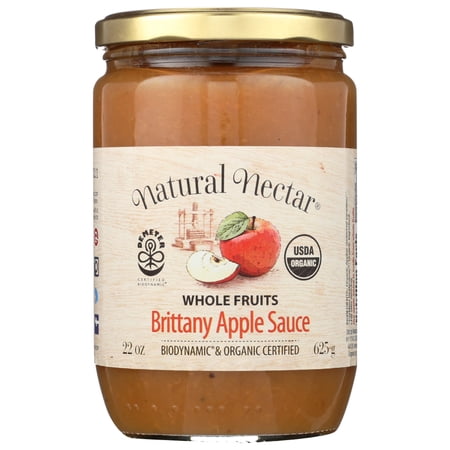
This product is a processed food with a mix of beneficial and less desirable ingredients. While it contains whole apples and concentrated mango, which are rich in vitamins and antioxidants, the presence of natural flavors and the processing level limit its score. The addition of vitamin C enhances its nutritional profile, but the overall processing and use of reconstituted juices reduce its healthiness compared to whole fruits.
Key ingredients 10
AppleVery Good
Whole apples are rich in fiber, vitamins, and antioxidants. They provide numerous health benefits, including improved digestion and reduced risk of chronic diseases. Consuming whole apples offers more nutritional benefits than processed forms.
Benefits
Rich in fiber and antioxidants, supporting overall health.
Granny Smith AppleVery Good
Granny Smith apples are known for their tart flavor and high fiber content. They are rich in antioxidants and vitamins, promoting overall health. Consuming whole apples provides more benefits than processed forms.
Benefits
High in fiber and antioxidants, supporting digestive and overall health.
Vitamin CGood
Vitamin C is an essential nutrient that supports immune function and skin health. It is commonly added to juices to enhance nutritional value. It also acts as an antioxidant, protecting cells from damage.
Benefits
Supports immune health and acts as an antioxidant.
Concentrated MangoGood
Concentrated mango provides a rich source of vitamins A and C. It adds natural sweetness and flavor to the product. The concentration process retains most of the fruit's nutrients.
Benefits
Provides vitamins A and C, supporting immune and skin health.
Ascorbic AcidGood
Ascorbic acid, also known as vitamin C, is an antioxidant that supports immune function. It is commonly added to foods to prevent oxidation and spoilage. It enhances the nutritional profile of the product.
Benefits
Supports immune health and prevents oxidation in foods.
Reconstituted Apple JuiceNeutral
Reconstituted apple juice is made by adding water back to concentrated apple juice. This process can reduce some of the natural nutrients found in fresh juice. It is a common method for juice production but lacks the fiber of whole apples.
Risks
May contain lower levels of nutrients compared to fresh apple juice.
Benefits
Provides hydration and some vitamins like vitamin C, though less than whole apples.
Citric AcidNeutral
Citric acid is used as an acidity regulator and preservative in foods. It is naturally found in citrus fruits and is generally recognized as safe. It helps maintain the stability and flavor of the product.
Risks
Excessive consumption may cause tooth enamel erosion.
Benefits
Helps preserve the freshness and flavor of the product.
Concentrated Apple JuiceNeutral
Concentrated apple juice is made by removing water from the juice, which can reduce some nutrients. It is often used for its sweetness and flavor. While it lacks fiber, it still provides some vitamins.
Risks
May contain lower levels of nutrients compared to fresh apple juice.
Benefits
Provides sweetness and some vitamins like vitamin C.
Malic AcidNeutral
Malic acid is used as an acidity regulator and flavor enhancer. It is naturally found in apples and contributes to the tart taste. It is generally recognized as safe in food products.
Benefits
Enhances flavor and maintains product stability.
Natural FlavourBad
Natural flavors are added to enhance taste but can be derived from complex processing. They often lack transparency regarding their specific sources. This can be concerning for individuals with allergies or sensitivities.
Risks
Potential allergen risk due to undisclosed sources.
Benefits
Enhances the taste of the product without adding calories.
Processing
Processed Foods
Get the full breakdown in the Scout appTake Scout shopping
Scan any product to see lab results, healthy alternatives, and your personalized analysis.
Download on theApp Store GET IT ONGoogle Play