
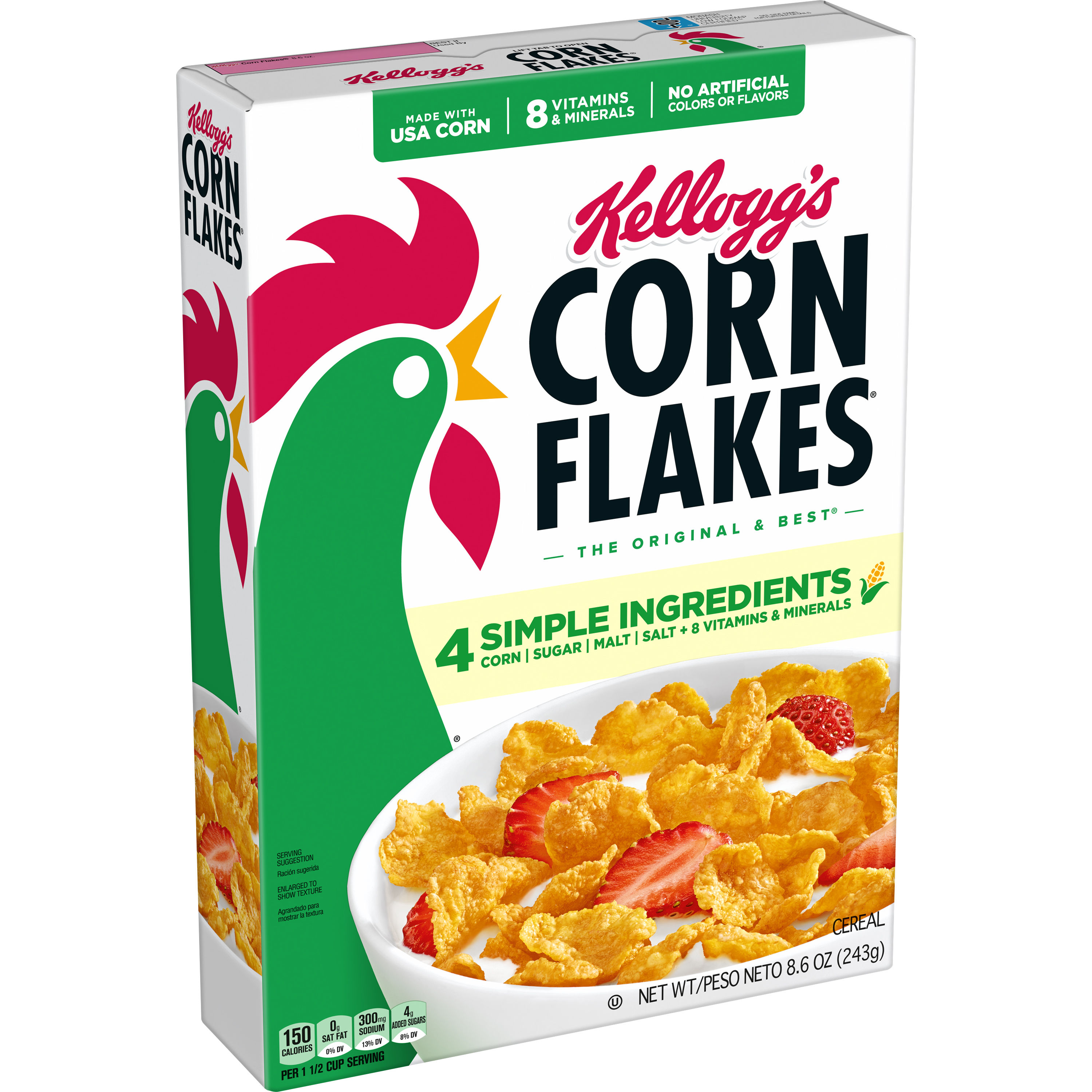
Cornflakes
Summary
Cornflakes are primarily made from corn, which is a beneficial ingredient providing carbohydrates and fiber. The product is fortified with essential vitamins and minerals, enhancing its nutritional profile. However, the presence of added sugar and the processed nature of the product limit its healthiness, as excessive sugar intake can lead to metabolic issues and the processing level restricts the overall score.
At a glance
Key ingredients 6
CornGood
Corn is a staple grain providing carbohydrates and fiber. It is minimally processed in this context, retaining some of its natural nutrients. As a whole grain, it can contribute to a balanced diet.
Risks
Corn may cause allergic reactions in some individuals and can be high in carbohydrates.
Benefits
Provides a source of energy and dietary fiber, which can aid in digestion and satiety.
SugarBad
Refined sugar is added for sweetness but offers no nutritional benefits. It is highly processed and can contribute to health issues like obesity and diabetes. Excessive consumption of sugar is linked to various metabolic disorders.
Risks
High intake of sugar can lead to weight gain, increased risk of type 2 diabetes, and dental cavities.
SaltNeutral
Salt is used to enhance flavor but should be consumed in moderation. It is a common additive in processed foods and can contribute to high sodium intake. While necessary for bodily functions, excessive salt can lead to health issues.
Risks
High sodium intake is associated with increased blood pressure and cardiovascular disease risk.
Benefits
Essential for maintaining fluid balance and nerve function in the body.
Barley Malt ExtractNeutral
Barley malt extract is used as a flavoring and sweetening agent. It is derived from barley and contains some vitamins and minerals. However, it is often used in small quantities and does not significantly impact nutritional value.
Risks
May contain gluten, which can be problematic for individuals with celiac disease or gluten sensitivity.
Benefits
Provides a natural source of sweetness and some micronutrients.
VitaminsGood
Vitamins such as vitamin E, niacin, vitamin B6, riboflavin, and folate are added to enhance nutritional value. These vitamins play crucial roles in energy metabolism and maintaining overall health. Fortification helps prevent deficiencies in these essential nutrients.
Benefits
Supports various bodily functions, including energy production, immune function, and cell repair.
MineralsGood
Minerals like iron and zinc oxide are added to improve the nutritional profile. Iron is essential for oxygen transport in the blood, while zinc supports immune function. Fortification ensures adequate intake of these important minerals.
Risks
Excessive intake of minerals can lead to toxicity, but this is unlikely with normal consumption.
Benefits
Contributes to preventing deficiencies and supports overall health and well-being.
Processing
Processed Foods
Get the full breakdown in the Scout app
Scan any product to see lab results, healthy alternatives, and your personalized analysis.
Download on theApp Store