
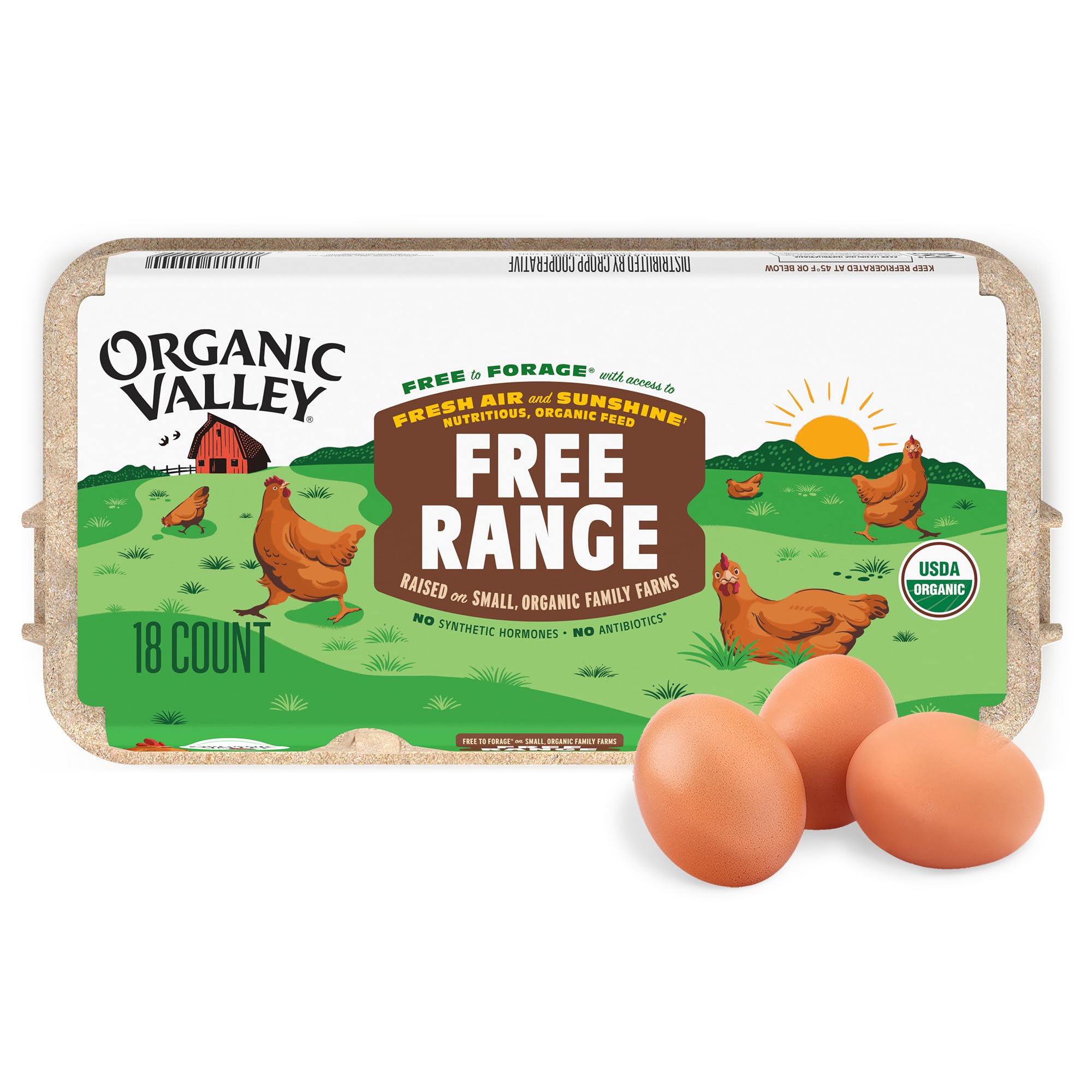
Free Range Eggs

Hens of the Earth
80 Good
View on Amazon

Summary

Free range eggs are a high-quality source of protein and essential nutrients, with the added benefits of alfalfa and sea kelp, which provide additional vitamins and minerals. However, the presence of canola oil, a highly processed seed oil, introduces a concern due to its potential inflammatory effects and high omega-6 content. Despite this, the overall ingredient quality remains strong, with minimal processing and beneficial components.

At a glance

Beneficial ingredients 3
Harmful ingredients 1
Owned by CF Farms
Category Eggs

Key ingredients 6

Eggs
Very Good

Eggs are a high-quality source of protein and essential nutrients. They contain all nine essential amino acids and are rich in vitamins such as B12 and D. Free-range eggs may have higher omega-3 content compared to conventional eggs.

Risks

Eggs can cause allergic reactions in some individuals. High cholesterol content may be a concern for those with specific health conditions.

Benefits

Rich in protein and essential nutrients, supporting muscle growth and overall health. Free-range eggs may offer additional omega-3 fatty acids, beneficial for heart health.

See more about Eggs →
Grains
Neutral

Grains are a staple food providing carbohydrates and some essential nutrients. The nutritional value depends on the type of grain and its processing. Whole grains are generally more beneficial than refined grains.

Risks

Refined grains may contribute to blood sugar spikes and lack fiber. Potential gluten sensitivity for some individuals.

Benefits

Whole grains provide fiber, vitamins, and minerals, supporting digestive health and providing sustained energy.

Canola Oil
Very Bad

Canola oil is a seed oil high in omega-6 fatty acids, which can promote inflammation if consumed excessively. It is often highly processed, involving chemical extraction and refining. The high omega-6 content may disrupt the omega-3 to omega-6 balance in the diet.

Risks

High omega-6 content may promote inflammation when consumed in excess. Processing methods may involve chemical solvents.

See more about Canola Oil →
Rice Bran
Neutral

Rice bran is a byproduct of rice milling, rich in fiber and some vitamins. It contains antioxidants and may support heart health. The nutritional benefits depend on the processing and preservation of its nutrients.

Risks

May contain traces of arsenic if sourced from contaminated areas. Potential allergen for some individuals.

Benefits

Provides dietary fiber and antioxidants, which may support heart health and digestion.

Alfalfa
Good

Alfalfa is a nutrient-rich plant often used as a dietary supplement. It contains vitamins, minerals, and antioxidants. Known for its potential to support metabolic health and reduce cholesterol levels.

Risks

May cause allergic reactions in sensitive individuals. Contains phytoestrogens, which may affect hormone-sensitive conditions.

Benefits

Rich in vitamins and minerals, supporting overall health. May help in reducing cholesterol levels and improving metabolic health.

See more about Alfalfa →
Sea Kelp
Good

Sea kelp is a type of seaweed rich in iodine and other trace minerals. It supports thyroid function and provides antioxidants. The nutrient content can vary based on the source and processing.

Risks

Excessive iodine intake can lead to thyroid dysfunction. Potential allergen for some individuals.

Benefits

Provides essential iodine for thyroid health and contains antioxidants that may reduce oxidative stress.

Processing

Group 2 · Culinary ingredients

Processed Culinary Ingredients

Get the full breakdown in the Scout app

Scan any product to see lab results, healthy alternatives, and your personalized analysis.

Download on theApp Store