
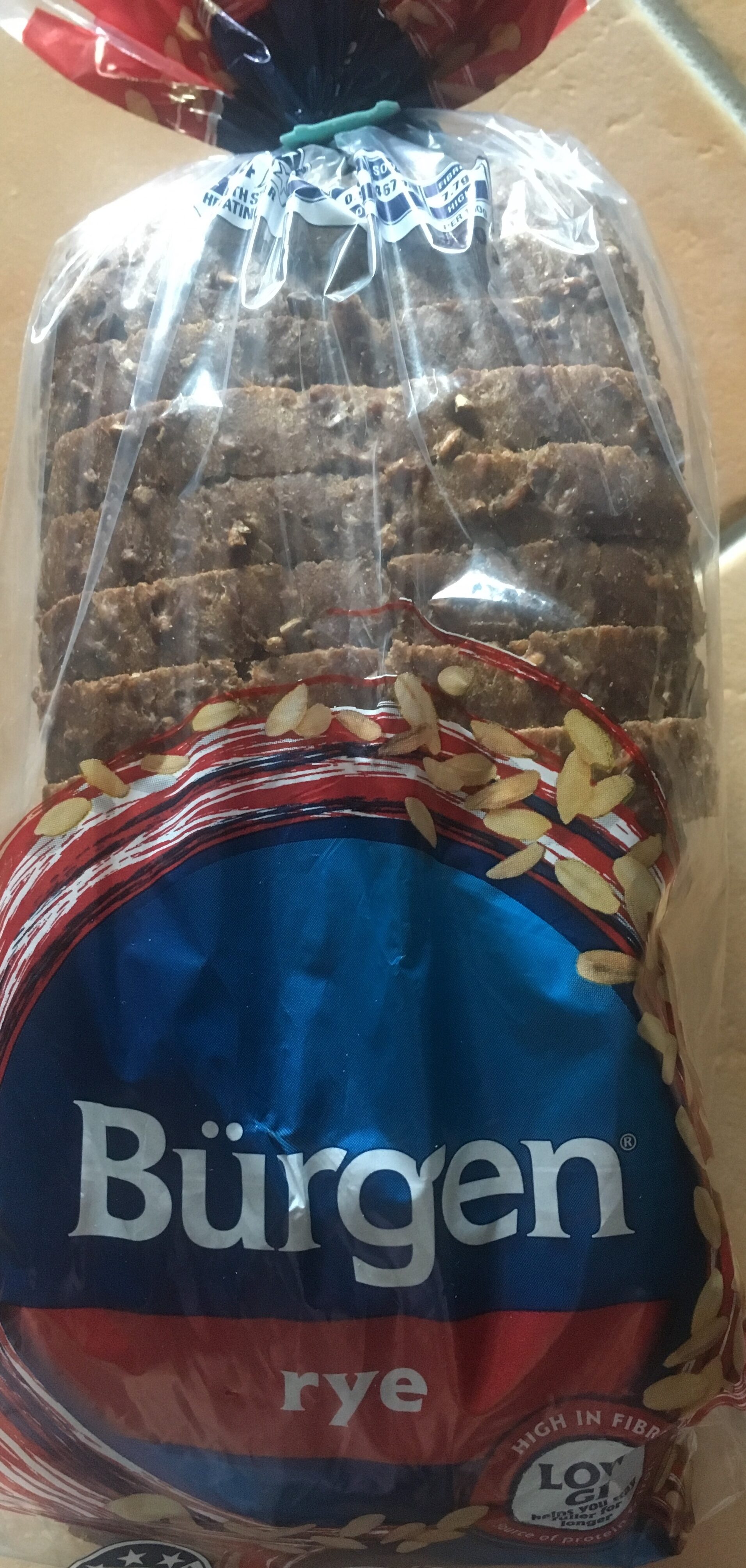


Rye
Summary
This product contains beneficial whole grain ingredients like kibbled rye, triticale, and wholemeal rye flour, which contribute to its nutritional value and fiber content. However, the presence of canola oil, a highly processed seed oil, detracts from its healthiness due to potential inflammatory effects. The product is moderately processed, which limits its score despite the inclusion of nutritious grains.
At a glance
Key ingredients 10
WaterNeutral
Water is a neutral ingredient used as a solvent and to provide moisture. It does not contribute any calories or nutrients. It is essential for the dough formation process.
See more about Water →Wheat FlourNeutral
Wheat flour is a staple ingredient in bread-making, providing structure and texture. It is a source of carbohydrates and some protein. However, it is refined and lacks the fiber and nutrients found in whole grains.
Risks
May cause allergic reactions in individuals with gluten intolerance or celiac disease.
Benefits
Provides energy through carbohydrates and some protein content.
Kibbled RyeGood
Kibbled rye is a whole grain ingredient that adds texture and nutritional value. It is rich in fiber, which supports digestive health. The presence of whole grains is associated with a reduced risk of chronic diseases.
Risks
May cause allergic reactions in individuals with gluten intolerance or celiac disease.
Benefits
Rich in dietary fiber and essential nutrients, promoting digestive health and reducing the risk of chronic diseases.
TriticaleGood
Triticale is a hybrid grain combining wheat and rye, offering a unique nutritional profile. It is high in protein and fiber, supporting muscle health and digestion. Its hybrid nature may provide a broader range of nutrients compared to single grains.
Risks
May cause allergic reactions in individuals with gluten intolerance or celiac disease.
Benefits
High in protein and fiber, supporting muscle health and digestion.
Wheat GlutenNeutral
Wheat gluten is used to improve the elasticity and chewiness of bread. It is a concentrated source of protein but lacks the complete amino acid profile of animal proteins. It is essential for the structure of many bread products.
Risks
May cause allergic reactions in individuals with gluten intolerance or celiac disease.
Benefits
Provides structure and elasticity to bread, enhancing texture.
Wholemeal Rye FlourGood
Wholemeal rye flour is a whole grain flour that retains all parts of the grain, providing fiber and nutrients. It contributes to a lower glycemic index compared to refined flours. Its use supports heart health and stable blood sugar levels.
Risks
May cause allergic reactions in individuals with gluten intolerance or celiac disease.
Benefits
Rich in fiber and nutrients, supporting heart health and stable blood sugar levels.
Canola OilVery Bad
Canola oil is a seed oil high in omega-6 fatty acids, which can promote inflammation when consumed in excess. It is often highly processed, involving chemical extraction methods. Its use is discouraged due to potential health concerns.
Risks
High omega-6 content may promote inflammation when consumed in excess.
Corn StarchNeutral
Corn starch is used as a thickening agent and to improve texture. It is a refined carbohydrate with minimal nutritional value. It is commonly used in small amounts in processed foods.
See more about Corn Starch →Baker's YeastNeutral
Baker's yeast is used to leaven bread, contributing to its rise and texture. It is a natural ingredient that aids in fermentation. It does not provide significant nutritional benefits but is essential for bread-making.
Benefits
Essential for leavening bread and contributing to its texture.
BarleyGood
Barley is a whole grain that provides fiber, vitamins, and minerals. It supports heart health and aids in digestion due to its high beta-glucan content. Its inclusion in bread enhances nutritional value.
Risks
May cause allergic reactions in individuals with gluten intolerance or celiac disease.
Benefits
Rich in fiber and nutrients, supporting heart health and digestion.
Processing
Processed Foods
Get the full breakdown in the Scout app
Scan any product to see lab results, healthy alternatives, and your personalized analysis.
Download on theApp Store