


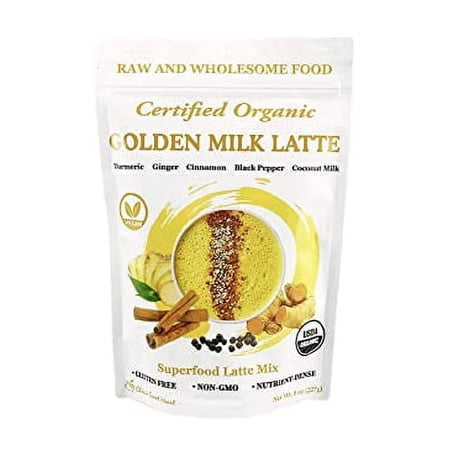


TURMERIC CHAI LATTE
Summary
This turmeric chai latte is heavily processed, containing multiple additives such as emulsifiers, stabilizers, and anti-caking agents. While it includes beneficial ingredients like black tea extract and turmeric concentrate, the presence of glucose syrup and unspecified flavors raises concerns about added sugars and artificial components. The product's high processing level limits its healthiness despite some positive ingredients.
At a glance
Key ingredients 14
ErythritolNeutral
Erythritol is a sugar alcohol used as a low-calorie sweetener. It is naturally found in some fruits and is often used in processed foods to reduce sugar content. It does not affect blood sugar levels, making it suitable for diabetics.
Risks
Excessive consumption may cause digestive discomfort or a laxative effect.
Benefits
Provides sweetness without calories, making it beneficial for weight management.
SteviaNeutral
Stevia is a natural sweetener derived from the leaves of the Stevia plant. It is calorie-free and does not raise blood sugar levels. It is often used as a sugar substitute in various products.
Benefits
Offers a natural, zero-calorie alternative to sugar, beneficial for those managing calorie intake.
Milk SolidsNeutral
Milk solids are derived from milk and contain proteins, lactose, and minerals. They are used to add creaminess and nutritional value to products. The quality depends on the source and processing of the milk.
Risks
May cause allergic reactions in individuals with lactose intolerance or milk allergies.
Benefits
Provides essential nutrients such as calcium and protein.
Glucose SyrupBad
Glucose syrup is a liquid sweetener made from hydrolyzed starch. It is high in sugars and can contribute to increased blood sugar levels. It is often used in processed foods for sweetness and texture.
Risks
High consumption can lead to weight gain and increased risk of metabolic disorders.
Coconut OilNeutral
Coconut oil is a plant-based fat that is solid at room temperature. It contains medium-chain triglycerides (MCTs) which are metabolized differently than other fats. It is often used for its flavor and texture in food products.
Risks
High in saturated fats, which may contribute to heart disease if consumed in excess.
Benefits
Contains MCTs that may provide a quick source of energy.
Black Tea ExtractGood
Black tea extract is derived from the leaves of the Camellia sinensis plant. It is rich in antioxidants, particularly flavonoids, which can support heart health. The extract provides the characteristic flavor and potential health benefits of black tea.
Risks
Excessive consumption may lead to caffeine-related side effects such as insomnia or jitteriness.
Benefits
Rich in antioxidants that may reduce the risk of chronic diseases.
Concentrate Of TurmericVery Good
Turmeric concentrate is derived from the turmeric root, known for its anti-inflammatory and antioxidant properties. It contains curcumin, which has been studied for its potential health benefits. Turmeric is often used in traditional medicine for its therapeutic effects.
Risks
High doses may cause digestive issues or interact with certain medications.
Benefits
Contains curcumin, which may reduce inflammation and support joint health.
FlavoursBad
The term 'flavours' is a catch-all for various compounds used to enhance taste. These can be natural or artificial, and the lack of specificity raises concerns about their origin and processing. They are often used in processed foods to mimic natural flavors.
Risks
Potential for artificial additives that may have health concerns.
SaltNeutral
Salt is used to enhance flavor and preserve food. It is essential for various bodily functions but should be consumed in moderation. Excessive intake can lead to health issues such as hypertension.
Risks
High sodium intake is associated with increased risk of hypertension and cardiovascular diseases.
Benefits
Essential for maintaining fluid balance and nerve function.
Stabiliser (340)Neutral
Stabiliser 340, also known as potassium phosphates, is used to maintain texture and consistency in food products. It is generally recognized as safe when used within regulated limits. It helps prevent separation of ingredients in processed foods.
Risks
Excessive consumption may affect mineral balance in the body.
Emulsifier (433)Neutral
Emulsifier 433, also known as polysorbate 80, is used to stabilize emulsions in food products. It is commonly used in processed foods to improve texture and shelf life. It is generally considered safe when used in regulated amounts.
Risks
Potential for allergic reactions in sensitive individuals.
Emulsifier (471)Neutral
Emulsifier 471, or mono- and diglycerides of fatty acids, is used to blend ingredients that typically do not mix well. It is derived from natural fats and is widely used in food processing. It helps improve texture and consistency in products.
Anti-Caking Agent (551)Neutral
Anti-caking agent 551, or silicon dioxide, is used to prevent clumping in powdered products. It is naturally occurring and widely used in the food industry. It ensures free-flowing properties in dry mixes.
Colour (160a)Neutral
Colour 160a, or beta-carotene, is a natural pigment used to add color to food products. It is a precursor to vitamin A and is found in many fruits and vegetables. It is generally considered safe and beneficial in moderate amounts.
Benefits
Provides a source of beta-carotene, which is converted to vitamin A in the body.
Processing
Ultra-Processed Foods
Get the full breakdown in the Scout app
Scan any product to see lab results, healthy alternatives, and your personalized analysis.
Download on theApp Store