Aera Mini Diffuser
Swap it for
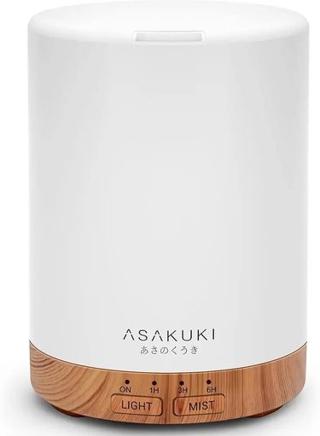
 ASAKUKI Essential Oil Diffuser 500 ml View on Amazon · $20.89 See all Air Fresheners, ranked
At a glance
Summary
The Aera Mini is a waterless diffuser, so what it puts in the air is its fragrance capsule. Aera publishes full ingredient lists: a blend of synthetic aroma molecules and essential oils that includes the polycyclic musk galaxolide, benzyl salicylate and, in many scents, BHT, along with fragrance allergens like isoeugenol and citral. The capsules are stated phthalate-, paraben- and formaldehyde-free and IFRA-compliant, and the disclosure is unusually transparent, but continuous diffusion of a largely synthetic blend with a musk and BHT limits the score.
Key ingredients 22
linaloolBad
Processed additive flagged under Scout's ingredient doctrine.
Risks
Potential allergen for sensitive individuals.
Benefits
Provides a floral scent and is widely used in fragrances.
citralBad
Processed additive flagged under Scout's ingredient doctrine.
Risks
Can cause skin irritation and allergic reactions.
Benefits
Provides a fresh lemon scent.
galaxolideBad
Galaxolide is a synthetic musk used in fragrances. It is persistent in the environment and can accumulate in living organisms. Its use in cleaning products is controversial due to environmental concerns.
Risks
Potential environmental pollutant and bioaccumulative.
Benefits
Provides a long-lasting musk scent.
triethyl citrateNeutral
Triethyl citrate is used as a solvent and fragrance ingredient. It is generally considered safe for use in cosmetics and personal care products. However, it is not particularly beneficial or harmful in cleaning products.
Risks
There are minimal risks associated with triethyl citrate in the context of cleaning products.
Benefits
It helps in stabilizing fragrances and is considered safe for use.
alpha-farneseneNeutral
Alpha-farnesene is a natural compound found in essential oils. It is used for its fragrance properties. It does not pose significant risks or benefits in cleaning products.
Risks
Potential for skin irritation in sensitive individuals.
Benefits
Contributes to the fragrance profile of the product.
nerolidolNeutral
Nerolidol is a naturally occurring sesquiterpene alcohol found in essential oils. It is used for its fragrance and potential antimicrobial properties. Its impact in cleaning products is minimal.
Risks
May cause skin irritation in some individuals.
Benefits
Offers a pleasant scent and potential antimicrobial effects.
indoleNeutral
Indole is an aromatic heterocyclic organic compound. It is used in perfumery for its floral scent. Its role in cleaning products is primarily for fragrance.
Risks
High concentrations can be irritating.
Benefits
Adds a complex floral note to fragrances.
geraniolNeutral
Geraniol is a monoterpenoid and an alcohol. It is used for its rose-like scent. It is generally safe but can be an allergen for some people.
Risks
Potential allergen and skin irritant.
Benefits
Contributes a pleasant rose-like fragrance.
citronellolNeutral
Citronellol is a natural acyclic monoterpenoid. It is used for its floral scent. It is generally safe but can cause allergic reactions in some individuals.
Risks
Potential allergen and skin irritant.
Benefits
Adds a floral fragrance to products.
benzyl acetateNeutral
Benzyl acetate is an organic compound used as a solvent and in fragrances. It is generally considered safe for use in cosmetics and cleaning products. Its primary role is to impart a pleasant scent.
Risks
Can cause skin irritation in sensitive individuals.
Benefits
Contributes to the fragrance profile of the product.
methyl isoeugenolNeutral
Methyl isoeugenol is a naturally occurring compound used in fragrances. It is used for its spicy, clove-like scent. Its impact in cleaning products is primarily for fragrance.
Risks
Potential allergen and skin irritant.
Benefits
Provides a spicy, clove-like aroma.
isoeugenolNeutral
Isoeugenol is a phenylpropene, a type of phenylpropanoid. It is used for its spicy scent. It is generally safe but can cause allergic reactions.
Risks
Potential allergen and skin irritant.
Benefits
Adds a spicy fragrance to products.
cyclamen aldehydeNeutral
Cyclamen aldehyde is a synthetic fragrance ingredient. It is used for its floral scent. It is generally considered safe but does not offer significant benefits in cleaning products.
Risks
Potential skin irritant.
Benefits
Contributes a floral note to fragrances.
benzyl salicylateNeutral
Benzyl salicylate is an ester of salicylic acid and benzyl alcohol. It is used as a fragrance ingredient. It is generally safe but can cause allergic reactions.
Risks
Potential allergen and skin irritant.
Benefits
Provides a sweet floral scent.
hedioneNeutral
Hedione is a fragrance ingredient with a jasmine-like scent. It is used to enhance the floral notes in perfumes. It is generally considered safe for use.
Risks
Minimal risks associated with hedione.
Benefits
Enhances floral fragrances with a jasmine-like aroma.
decanalNeutral
Decanal is an aldehyde used in fragrances for its citrus scent. It is generally considered safe for use in cleaning products. Its primary role is to provide a fresh scent.
Risks
Can cause skin irritation in sensitive individuals.
Benefits
Adds a fresh citrus aroma.
octanalNeutral
Octanal is an aldehyde used for its fruity scent. It is generally considered safe for use in cleaning products. Its primary function is to enhance the fragrance profile.
Risks
Potential skin irritant.
Benefits
Contributes a fruity aroma to products.
lemon oilNeutral
Lemon oil is a natural essential oil used for its fresh citrus scent. It is generally safe but can cause photosensitivity. Its primary use in cleaning products is for fragrance.
Risks
Can cause photosensitivity and skin irritation.
Benefits
Provides a fresh, uplifting citrus scent.
clove bud oilNeutral
Clove bud oil is a natural essential oil used for its spicy aroma. It is generally safe but can cause skin irritation. Its primary role in cleaning products is for fragrance.
Risks
Potential skin irritant and allergen.
Benefits
Offers a warm, spicy scent.
dipropylene glycolNeutral
Dipropylene glycol is a solvent used in fragrances. It is generally considered safe for use in cleaning products. Its primary function is to dissolve other ingredients.
Risks
Minimal risks associated with dipropylene glycol.
Benefits
Acts as a solvent to help blend ingredients.
sandalwood oilNeutral
Sandalwood oil is a natural essential oil used for its woody scent. It is generally safe but can be an allergen for some people. Its primary use in cleaning products is for fragrance.
Risks
Potential allergen and skin irritant.
Benefits
Provides a warm, woody aroma.
isopropyl myristateNeutral
Isopropyl myristate is an ester of isopropyl alcohol and myristic acid. It is used as an emollient and fragrance ingredient. It is generally considered safe for use.
Risks
Minimal risks associated with isopropyl myristate.
Benefits
Helps in spreading and absorption of other ingredients.
Get the full breakdown in the Scout appTake Scout shopping
Scan any product to see lab results, healthy alternatives, and your personalized analysis.
Amazon pricing & content
Amazon price for ASAKUKI Essential Oil Diffuser as of . Product prices and availability are accurate as of the date/time indicated and are subject to change. Any price and availability information displayed on Amazon.com at the time of purchase will apply to the purchase of this product.
CERTAIN CONTENT THAT APPEARS ON THIS SITE COMES FROM AMAZON. THIS CONTENT IS PROVIDED “AS IS” AND IS SUBJECT TO CHANGE OR REMOVAL AT ANY TIME.