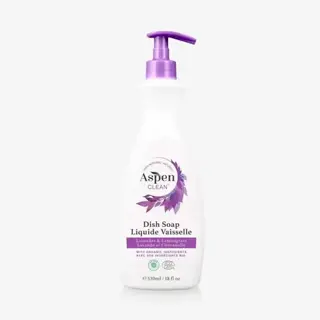
Aspen Clean Dish Soap Refill Plastic bottle

At a glance
Summary
This dish soap is formulated with mild, plant-derived surfactants like lauryl glucoside and coco glucoside, which are biodegradable and gentle on the skin. It includes organic essential oils for fragrance and antimicrobial properties, avoiding harsh chemicals and synthetic fragrances. The use of natural preservatives and the absence of harmful additives make it a safe and environmentally friendly choice for cleaning.
Key ingredients 9
Lauryl GlucosideGood
Lauryl glucoside is a mild, plant-derived surfactant used for its gentle cleansing properties. It is biodegradable and considered safe for use in cleaning products. It is non-irritating and suitable for sensitive skin.
Risks
There are minimal risks associated with lauryl glucoside, making it a preferred choice in eco-friendly products.
Benefits
It provides effective cleaning while being gentle on the skin and the environment.
Coco GlucosideGood
Coco glucoside is a non-ionic surfactant derived from coconut oil and glucose. It is known for its mildness and biodegradability. It is safe for use in personal care and cleaning products.
Risks
Coco glucoside is generally considered safe with no significant risks.
Benefits
It enhances the foaming and cleansing properties of the product without causing irritation.
Organic GlycerineGood
Organic glycerine is a humectant that helps retain moisture in cleaning products. It is derived from plant oils and is safe for use. It is non-toxic and biodegradable.
Risks
There are no significant risks associated with organic glycerine in cleaning products.
Benefits
It helps maintain moisture balance and improves the texture of the product.
Populus Tremuloides (Aspen) Bark ExtractGood
Aspen bark extract is used for its natural preservative properties. It is derived from the bark of the aspen tree and is considered safe for use. It is a natural alternative to synthetic preservatives.
Risks
There are minimal risks associated with aspen bark extract in cleaning products.
Benefits
It provides natural preservation and antimicrobial benefits.
Organic Lavandula Angustifolia (Lavender) OilGood
Lavender oil is used for its pleasant fragrance and antimicrobial properties. It is derived from the lavender plant and is safe for use in cleaning products. It is known for its calming scent and natural antibacterial effects.
Risks
Lavender oil can cause allergic reactions in sensitive individuals.
Benefits
It adds a natural fragrance and provides antimicrobial benefits.
Organic Cymbopogon Schoenanthus (Lemongrass) OilGood
Lemongrass oil is used for its fresh scent and antimicrobial properties. It is derived from the lemongrass plant and is safe for use in cleaning products. It is known for its refreshing aroma and natural antibacterial effects.
Risks
Lemongrass oil can cause skin irritation in some individuals.
Benefits
It provides a natural fragrance and enhances the antimicrobial properties of the product.
WaterNeutral
Water is a universal solvent used in many cleaning products. It helps dissolve other ingredients and facilitates the cleaning process. It is generally safe and non-toxic.
Risks
There are no significant risks associated with water in cleaning products.
Benefits
Water is essential for dissolving and distributing cleaning agents effectively.
Sodium ChlorideNeutral
Sodium chloride, or table salt, is used to adjust the viscosity of cleaning products. It is a common and safe ingredient. It does not pose significant health risks in cleaning applications.
Risks
Excessive exposure to sodium chloride can cause irritation, but it is generally safe in cleaning products.
Benefits
It helps in maintaining the desired consistency of the product.
Citric AcidNeutral
Common acidulant and preservative — safe at typical use levels, neither beneficial nor harmful.
Risks
Citric acid can cause mild irritation if it comes into direct contact with the skin or eyes.
Benefits
It is a natural and effective cleaning agent that helps remove limescale and other deposits.
Get the full breakdown in the Scout appTake Scout shopping
Scan any product to see lab results, healthy alternatives, and your personalized analysis.
Amazon pricing & content
Amazon price as of . Product prices and availability are accurate as of the date/time indicated and are subject to change. Any price and availability information displayed on Amazon.com at the time of purchase will apply to the purchase of this product.
CERTAIN CONTENT THAT APPEARS ON THIS SITE COMES FROM AMAZON. THIS CONTENT IS PROVIDED “AS IS” AND IS SUBJECT TO CHANGE OR REMOVAL AT ANY TIME.