
Ingredient
Chlorine Bleach
What is Chlorine Bleach?
Chlorine bleach is a chemical compound often used for its disinfecting and bleaching properties. It's commonly made through the chlorination of water to form a solution of sodium hypochlorite or calcium hypochlorite.
In consumer products, it's primarily used to whiten whites in laundry and sanitize household surfaces. Health concerns generally arise from exposure to chlorine gas or residue, which can cause irritation to eyes and respiratory systems. However, when used as directed in household products, it is considered safe by regulators.
On product labels, it's typically highlighted for its cleaning efficacy. Consumers are advised to follow the usage instructions carefully to minimize any potential risks associated with improper handling.
Commonly found in: Toilet Paper, Laundry Detergents, Sanitizers, Cleaning Solutions
What to watch
- May cause skin or respiratory irritation if inhaled or contacted directly.
Benefits
- Effective disinfectant capable of killing a wide range of pathogens.
The FDA approves its use in specific applications and advises careful use to avoid reactive byproducts.
Some studies associate improper use with respiratory issues, while others affirm its disinfectant benefits when used correctly.
Chlorine bleach is synthetic and not animal-derived, so it is typically considered vegan.
Sources: Household Use of Bleach: Assessment and Recommendations
Scout's take
Chlorine bleach can react with organic matter to form toxic chlorinated compounds, is harmful to aquatic ecosystems, and can be a respiratory irritant.
More from Scout's analyses
Chlorine bleach — harsh respiratory and environmental profile.
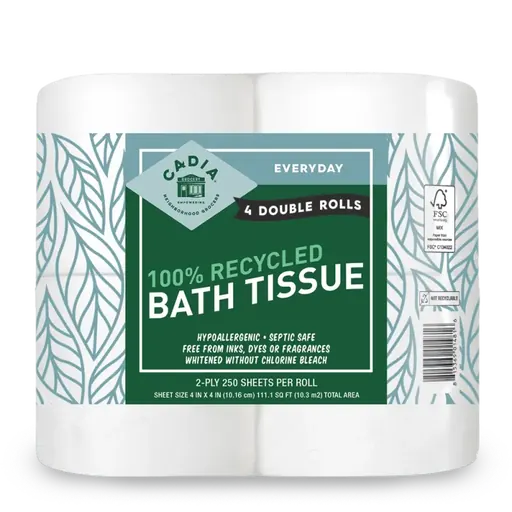
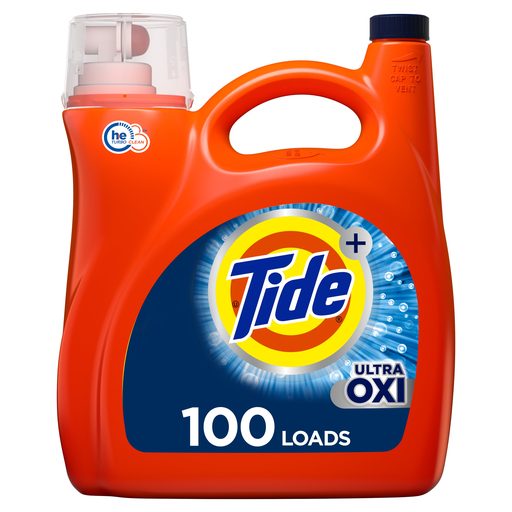
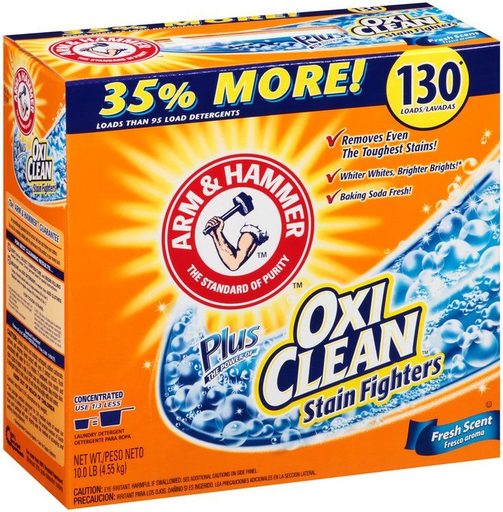
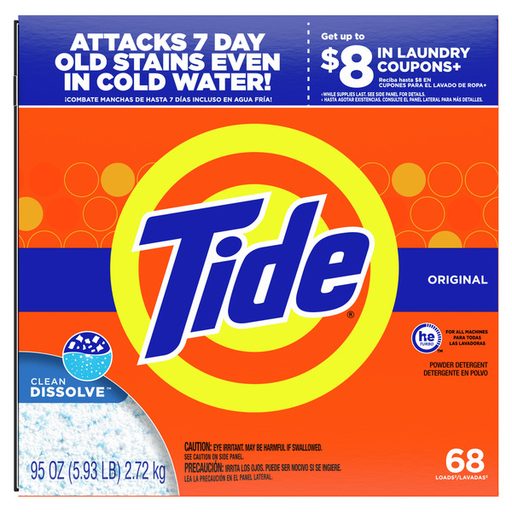
from the analysis of Cadia Everyday 100% Recycled Bath TissueFound in 4 products
Scan any product to see every ingredient explained — and healthier swaps.
Download on theApp Store GET IT ONGoogle Play