
Ingredient
Gross Alpha
What is Gross Alpha?
Gross Alpha refers to the measure of radioactivity in water, specifically the total alpha particle activity from radium and uranium decay. It is commonly used in water quality assessments to ensure safety standards, as these radioactive particles can occur naturally in the environment.
While gross alpha particles in water are not added as an ingredient, their presence is monitored to protect public health. Prolonged exposure to high levels of alpha radiation can pose health risks, thus regular testing for these particles in drinking water is part of regulatory compliance.
When seen on a label, this term usually indicates that the water source has been tested for these radioactive particles, ensuring it meets safety guidelines. It's more about safety disclosure rather than an additive or ingredient meant for consumption.
Commonly found in: Drinking Water, Bottled Water, Municipal Water Supplies, Water Purity Testing
What to watch
- High levels of alpha particles in water may increase the risk of cancer over long-term exposure.
The FDA regulates the levels of gross alpha activity in drinking water to minimize potential health risks.
Studies indicate long-term exposure to high levels of alpha particles can be harmful, necessitating regular monitoring.
As a naturally occurring measure in water, gross alpha is not animal-derived and holds no specific vegan concerns.
Sources: Radionuclides in Drinking Water
Scout's take
Gross alpha radiation reflects total alpha-emitting radionuclides such as uranium and thorium; flagged because it indicates radioactive contamination. Reported value: 0.1 pCi/L.
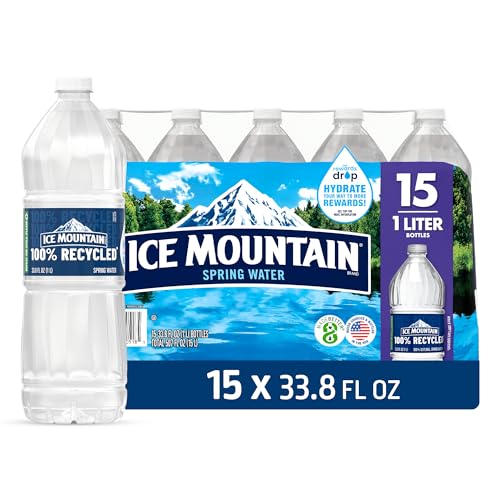
Found in 1 product
Scan any product to see every ingredient explained — and healthier swaps.
Download on theApp Store GET IT ONGoogle Play