
Ingredient
High-quality cooking oil
What is High-quality cooking oil?
High-quality cooking oil generally refers to oils that are perceived to have beneficial properties, such as a favorable fatty acid profile or minimal processing. Often derived from sources like olives, avocados, or nuts, these oils are typically cold-pressed or minimally refined to preserve nutrients and flavor.
These oils are used in cooking and food preparation for their stability, taste, and health benefits. The term 'high-quality' is subjective and depends on factors like smoke point, nutritional content, and processing methods. While olive and avocado oils are often highlighted for their health benefits, the evidence supporting these claims varies.
When you see 'high-quality cooking oil' on a label, it can reflect a marketing term rather than a standardized quality assurance. It's always important to look for specific oil types mentioned to understand their properties better.
Commonly found in: Cooking, Baking, Salad dressings, Marinades, Frying
Benefits
- Depending on the specific oil type, may offer a favorable fatty acid profile with more monounsaturated fats.
- Often retains natural antioxidants and nutrients due to minimal processing.
The FDA does not specifically regulate the term 'high-quality'; however, individual oils must meet basic food safety and labeling standards.
Research shows mixed evidence; some oils like olive oil are linked to health benefits, but quality and health claims can vary widely.
High-quality cooking oils are typically plant-derived and suitable for vegan diets.
Scout's take
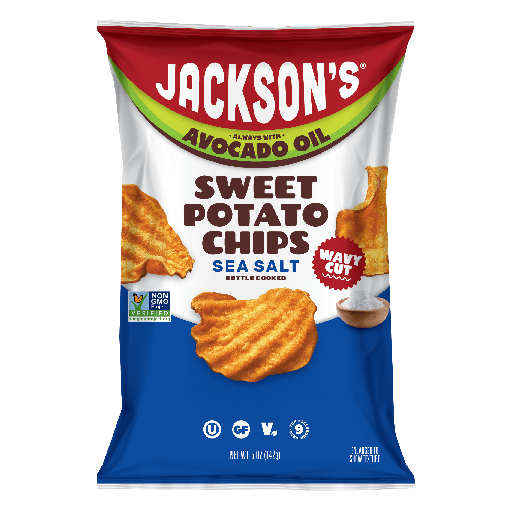
Authenticity testing (UC Davis, 2026 — doi 10.1016/j.afres.2026.102389) found this product's avocado oil not compositionally consistent with authentic avocado oil in both lots tested — the fatty-acid profile indicates dilution with cheaper seed oils, so the label's oil claim cannot be relied on.
Found in 1 product
Scan any product to see every ingredient explained — and healthier swaps.
Download on theApp Store GET IT ONGoogle Play