
Ingredient
Synthetic Vitamin & Mineral Fortification
What is Synthetic Vitamin & Mineral Fortification?
Synthetic vitamin and mineral fortification involves adding man-made vitamins and minerals to products, often to enhance nutritional value. These vitamins and minerals are chemically identical to their natural counterparts but are manufactured through industrial processes.
This fortification is used to ensure nutritional standards are met, especially in processed foods. Some researchers argue that synthetic vitamins are less bioavailable than natural forms, while others see no difference in efficacy. The evidence is mixed, with studies showing varied outcomes on absorption and health benefits.
When you see synthetic fortification on a label, it indicates an effort to boost nutrient content. While beneficial in preventing deficiencies, it's important to consider the overall dietary context to avoid excessive intake.
Commonly found in: Breakfast cereals, Plant-based milks, Cat food, Energy bars, Supplements, Fortified snacks
What to watch
- Excessive intake of fortified vitamins can lead to toxicity, especially with fat-soluble vitamins.
- Some individuals may experience allergic reactions to synthetic additives.
Benefits
- Helps prevent nutritional deficiencies in populations with limited access to diverse foods.
- Supports nutritional needs in cases where natural vitamin levels may be low, such as in pet foods.
Synthetic vitamins and minerals are regulated as food additives and generally recognized as safe (GRAS).
Studies show varying results on the efficacy and bioavailability of synthetic versus natural vitamins.
Synthetic vitamins and minerals are typically produced without animal-derived ingredients, and are usually accepted by the vegan community.
Scout's take
Includes dicalcium phosphate, choline bitartrate, potassium chloride, calcium carbonate, sodium ascorbate, ferric pyrophosphate, DL-alpha-tocopheryl acetate, cholecalciferol, zinc oxide, niacinamide, thiamine mononitrate, riboflavin, pyridoxine HCl, and cyanocobalamin — a laundry list of synthetic nutrients indicating heavy processing.
More from Scout's analyses
Long list of synthetic nutrients including ferric pyrophosphate, zinc oxide, and cyanocobalamin indicating heavy processing.
from the analysis of HappyBABY Superfood Puffs Apple & BroccoliIncludes electrolytic iron, synthetic B-vitamin blend, calcium carbonate — heavy processing signature.
from the analysis of Simple Truth Organic Whole Grain Puffs Broccoli & SpinachContains electrolytic iron, maltodextrin, choline bitartrate, and synthetic B-vitamin blend.
from the analysis of O Organics Puffs Apple StrawberryFound in 4 products
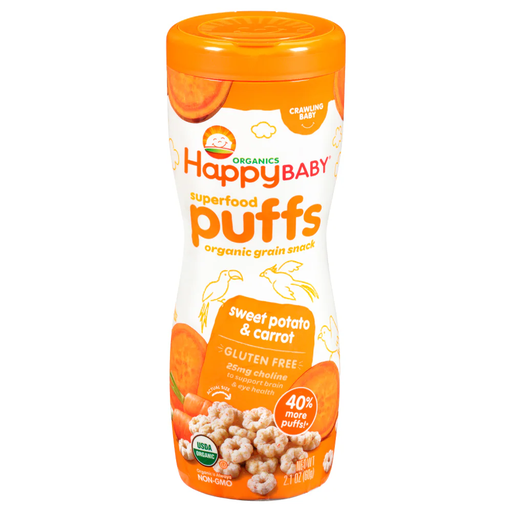
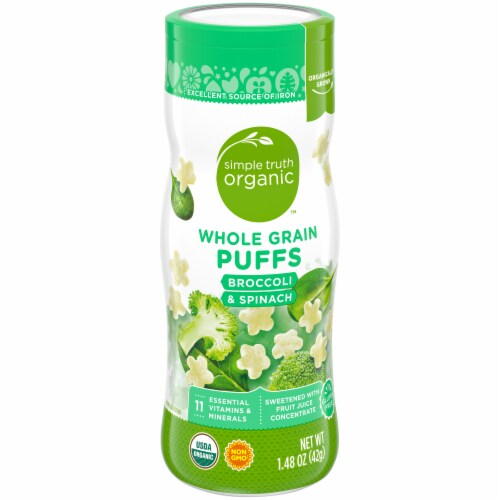
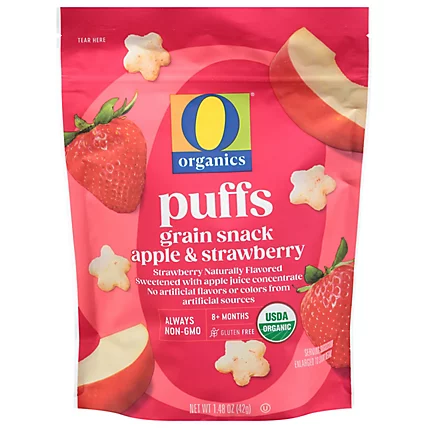
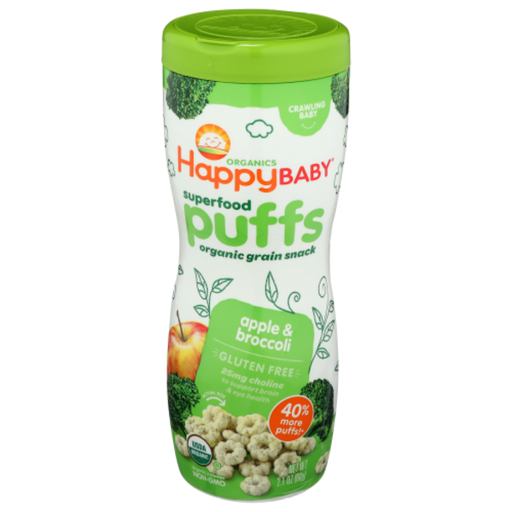
Scan any product to see every ingredient explained — and healthier swaps.
Download on theApp Store GET IT ONGoogle Play