
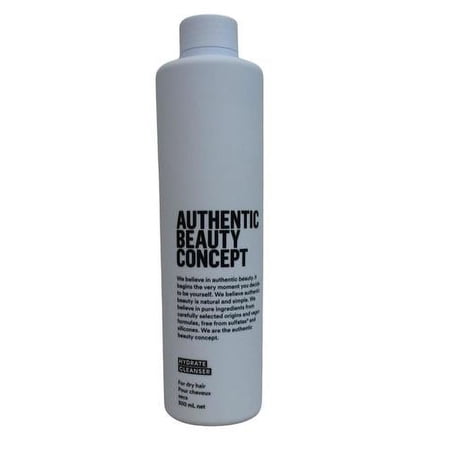

Authentic Beauty Concept Hydrate Cleanser 10.1oz - 300ml
Analysis updated August 2026 · How Scout scores
At a glance
Summary
This face wash contains beneficial natural extracts like rice, mango, and basil, which provide antioxidant and moisturizing benefits. However, the presence of synthetic fragrance and limonene, which can cause skin irritation and sensitization, detracts from its overall safety profile. Additionally, the inclusion of PEG compounds indicates a moderate level of processing, which further impacts the score.
Key ingredients 19
PanthenolVery Good
Panthenol, also known as provitamin B5, is a well-known moisturizing and skin-conditioning agent. It helps to improve skin hydration and elasticity. It is a highly beneficial ingredient for maintaining healthy skin.
Risks
Very low risk of irritation or allergic reaction.
Benefits
Enhances skin hydration and promotes healing.
Oryza Sativa (Rice) ExtractGood
Rice extract is known for its soothing and moisturizing properties. It can help to improve skin texture and hydration. It is a natural ingredient with beneficial effects on the skin.
Risks
Minimal risk of irritation or allergic reaction.
Benefits
Provides soothing and moisturizing benefits to the skin.
Mangifera Indica (Mango) Fruit ExtractGood
Mango extract is rich in vitamins and antioxidants, which can help to nourish and protect the skin. It is known for its moisturizing and anti-inflammatory properties. It is a beneficial natural ingredient in skincare.
Risks
Low risk of irritation or allergic reaction.
Benefits
Offers antioxidant protection and moisturization to the skin.
Ocimum Basilicum (Basil) Leaf ExtractGood
Basil extract is known for its antioxidant and anti-inflammatory properties. It can help to soothe and protect the skin from environmental stressors. It is a beneficial botanical ingredient in skincare.
Risks
Minimal risk of irritation or allergic reaction.
Benefits
Provides antioxidant protection and soothing benefits to the skin.
GlycerinGood
Glycerin is a humectant that attracts moisture to the skin, helping to keep it hydrated. It is a well-known and widely used moisturizing agent in skincare. It is highly beneficial for maintaining skin hydration and barrier function.
Risks
Very low risk of irritation or allergic reaction.
Benefits
Provides excellent moisturization and improves skin barrier function.
Aqua / Water / EauNeutral
Water is a common solvent used in cosmetics to dissolve other ingredients. It does not provide any direct benefits or risks in skincare products. It serves as a base for the formulation.
Benefits
Provides a medium for other ingredients to be delivered to the skin.
Sodium C14-16 Olefin SulfonateNeutral
This is a surfactant used for its cleansing properties. It is considered milder than SLS but can still cause irritation in some individuals. It helps to remove dirt and oil from the skin.
Risks
Potential for skin irritation, especially in sensitive individuals.
Benefits
Effective in cleansing and removing oils and impurities from the skin.
Cocamidopropyl BetaineNeutral
Cocamidopropyl Betaine is a surfactant and foam booster derived from coconut oil. It is generally considered mild and less irritating than other surfactants. It helps to create a rich lather and improve the texture of the product.
Risks
May cause allergic reactions in some individuals.
Benefits
Enhances foam and cleansing properties while being relatively mild on the skin.
Sodium Methyl Cocoyl TaurateNeutral
This is a mild surfactant derived from coconut oil and taurine. It is used for its gentle cleansing properties. It is less likely to irritate the skin compared to harsher surfactants.
Risks
Low risk of irritation compared to other surfactants.
Benefits
Provides gentle cleansing suitable for sensitive skin.
Sodium ChlorideNeutral
Commonly known as salt, it is used to thicken the aqueous portion of the product. It does not have direct skincare benefits or risks. It helps to adjust the viscosity of the formulation.
Benefits
Helps to improve the texture and consistency of the product.
PEG-120 Methyl Glucose DioleateNeutral
This is an emulsifier and thickening agent used to stabilize formulations. It is generally considered safe for use in cosmetics. It helps to maintain the consistency and stability of the product.
Risks
Potential contamination with impurities during manufacturing.
Benefits
Improves product stability and texture.
Citric AcidNeutral
Citric acid is used to adjust the pH of cosmetic formulations. It can also provide mild exfoliation benefits. It is generally considered safe for use in cosmetics.
Risks
Potential for skin irritation if used in high concentrations.
Benefits
Helps to maintain the pH balance of the product.
PEG-7 Glyceryl CocoateNeutral
This is an emollient and surfactant used to improve the texture of cosmetic products. It is derived from coconut oil and glycerin. It helps to enhance the moisturizing properties of the product.
Risks
Potential contamination with impurities during manufacturing.
Benefits
Improves skin feel and moisturization.
Guar Hydroxypropyltrimonium ChlorideNeutral
This is a conditioning agent derived from guar gum. It is used to improve the texture and feel of hair and skin products. It is generally considered safe for use in cosmetics.
Risks
Low risk of irritation or allergic reaction.
Benefits
Enhances conditioning and texture of the product.
Coconut AcidNeutral
Coconut acid is derived from coconut oil and is used as a surfactant and emulsifier. It helps to cleanse and stabilize formulations. It is generally considered safe for use in cosmetics.
Risks
Low risk of irritation or allergic reaction.
Benefits
Contributes to cleansing and formulation stability.
Sodium BenzoateBad
Synthetic preservative that can form benzene in the presence of vitamin C.
Risks
Potential for skin irritation in sensitive individuals.
Benefits
Prevents microbial contamination and extends product shelf life.
LimoneneBad
Limonene is a fragrance component that can cause skin irritation and sensitization. It is often used for its citrus scent but can oxidize and become a skin allergen. It is considered a negative ingredient due to potential sensitization risks.
Risks
High risk of skin irritation and allergic reactions upon oxidation.
Benefits
Provides a citrus scent to the product.
Propylene GlycolBad
Processed additive flagged under Scout's ingredient doctrine.
Risks
Potential for skin irritation in sensitive individuals.
Benefits
Improves moisture retention and product texture.
Parfum / FragranceVery Bad
Fragrance is often added to cosmetics for scent but can cause skin irritation and allergic reactions. It is a common cause of contact dermatitis. It is generally considered a negative ingredient in skincare due to potential sensitivities.
Risks
High risk of skin irritation and allergic reactions.
Benefits
Provides a pleasant scent to the product.
Get the full breakdown in the Scout appTake Scout shopping
Scan any product to see lab results, healthy alternatives, and your personalized analysis.
Download on theApp Store GET IT ONGoogle PlayAmazon pricing & content
Amazon price as of . Product prices and availability are accurate as of the date/time indicated and are subject to change. Any price and availability information displayed on Amazon.com at the time of purchase will apply to the purchase of this product.
CERTAIN CONTENT THAT APPEARS ON THIS SITE COMES FROM AMAZON. THIS CONTENT IS PROVIDED “AS IS” AND IS SUBJECT TO CHANGE OR REMOVAL AT ANY TIME.