
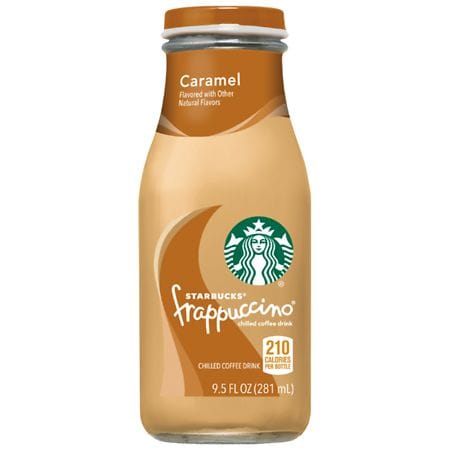


Starbucks Frappucino Caramel Chilled Coffee Drink 13.7 Fluid Ounce Glass Bottle
Summary
This beverage is heavily processed, containing added sugars and maltodextrin, which contribute to its high calorie content and potential for rapid blood sugar spikes. The presence of natural and artificial flavors raises concerns due to their synthetic origins and lack of nutritional value. Despite the inclusion of brewed coffee, the overall ingredient quality is compromised by the high level of processing and added sugars.
At a glance
Key ingredients 7
Brewed Starbucks CoffeeGood
Brewed coffee is a natural source of antioxidants and can provide a moderate amount of caffeine, which may enhance alertness and cognitive function. The quality of the coffee depends on the beans and brewing method, but Starbucks is known for its consistent quality. Coffee also contains beneficial compounds like chlorogenic acids that may support metabolic health.
Risks
Excessive caffeine consumption can lead to jitteriness, insomnia, and increased heart rate.
Benefits
Contains antioxidants that may reduce inflammation and support overall health.
Reduced-Fat MilkNeutral
Reduced-fat milk provides essential nutrients such as calcium and vitamin D, which are important for bone health. The reduction in fat content makes it a lower-calorie option compared to whole milk. However, it lacks the full fat-soluble vitamin profile found in whole milk.
Benefits
Provides calcium and vitamin D, supporting bone health.
SugarBad
Sugar is a simple carbohydrate that provides quick energy but can contribute to excessive calorie intake and weight gain if consumed in large amounts. It is highly processed and lacks nutritional value beyond calories. High sugar intake is associated with increased risk of metabolic disorders.
Risks
High consumption can lead to obesity, type 2 diabetes, and dental cavities.
MaltodextrinBad
Maltodextrin is a highly processed carbohydrate used as a thickener or filler, often derived from corn, rice, or potato starch. It has a high glycemic index, which can cause rapid spikes in blood sugar levels. Its processing removes most nutritional value, making it a source of empty calories.
Risks
May cause blood sugar spikes and is linked to digestive issues in sensitive individuals.
Natural And Artificial FlavorBad
Natural and artificial flavors are added to enhance taste but can be derived from complex chemical processes. The lack of transparency in their composition raises concerns about potential allergens and synthetic additives. They contribute no nutritional value and may mask the quality of the base ingredients.
Risks
Potential allergens and synthetic additives may cause adverse reactions in sensitive individuals.
PectinNeutral
Pectin is a natural fiber derived from fruits, used as a gelling agent in foods. It is generally recognized as safe and can aid in digestion by adding bulk to stool. However, in small amounts used in beverages, its health impact is minimal.
Benefits
May aid digestion by adding bulk to stool.
Ascorbic AcidNeutral
Ascorbic acid, also known as vitamin C, is an antioxidant that supports immune function and skin health. In processed foods, it is often used as a preservative to prevent oxidation. While beneficial in larger amounts, the small quantity in this product primarily serves a preservative role.
Benefits
Supports immune function and acts as an antioxidant.
Processing
Ultra-Processed Foods
Get the full breakdown in the Scout app
Scan any product to see lab results, healthy alternatives, and your personalized analysis.
Download on theApp Store