
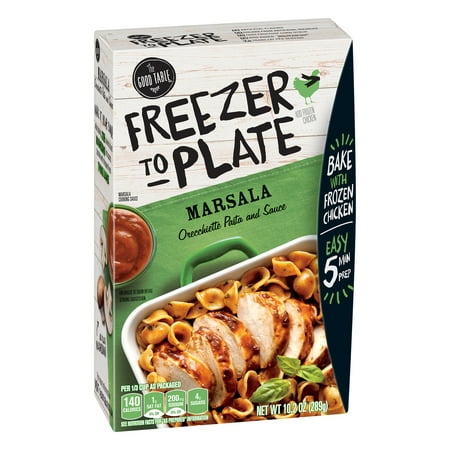


THE GOOD TABLE FRZR TO PLATE PASTA SAUCE MARSALA
Analysis updated May 2026 · How Scout scores
At a glance
Summary
This pasta sauce is moderately processed, containing enriched wheat macaroni and a sauce with preservatives like potassium sorbate. While it includes beneficial ingredients such as tomato paste, the presence of synthetic additives and the processed nature of the product limit its healthfulness. The overall ingredient quality is mixed, with some redeeming qualities but notable issues due to the level of processing and use of preservatives.
Key ingredients 10
NiacinGood
Beneficial ingredient — whole-food or functional value in this product class.
Benefits
Supports energy metabolism and overall health as part of the B-vitamin complex.
RiboflavinGood
Essential B vitamin — beneficial micronutrient.
Benefits
Supports energy production and cellular function as part of the B-vitamin complex.
Tomato PasteGood
Tomato paste is a concentrated form of tomatoes, providing a rich source of lycopene, an antioxidant. It enhances the flavor and nutritional profile of sauces. The concentration process retains most of the beneficial compounds found in fresh tomatoes.
Benefits
Rich in lycopene, which may reduce the risk of certain chronic diseases.
SemolinaNeutral
Semolina is a refined wheat product used as a base for pasta. It provides carbohydrates and some protein but lacks the fiber and nutrients found in whole grains. It is a common ingredient in pasta products and is generally well-tolerated.
Risks
May cause issues for individuals with gluten intolerance or celiac disease.
Benefits
Provides a source of energy through carbohydrates and contains some protein.
Ferrous SulfateNeutral
Ferrous sulfate is an iron supplement added to enriched flour to prevent iron deficiency. It is important for oxygen transport in the blood. The form used is bioavailable but can cause gastrointestinal discomfort in some individuals.
Risks
May cause gastrointestinal issues such as constipation or nausea in some individuals.
Benefits
Helps prevent iron deficiency anemia by providing a bioavailable form of iron.
Thiamin MononitrateNeutral
Thiamin mononitrate is a form of vitamin B1 added to enriched flour to replace nutrients lost during processing. It is essential for carbohydrate metabolism and nerve function. Its addition helps prevent thiamin deficiency in populations consuming refined grains.
Benefits
Supports energy metabolism and nerve function as part of the B-vitamin complex.
Folic AcidNeutral
Folic acid is a synthetic form of vitamin B9 added to enriched flour to prevent neural tube defects. It is important for DNA synthesis and cell division. Its addition is particularly beneficial for pregnant women to prevent birth defects.
Benefits
Essential for DNA synthesis and cell division, particularly important during pregnancy.
Marsala WineNeutral
Marsala wine is used for flavoring in sauces and contains alcohol, which evaporates during cooking. It adds a distinct taste to dishes but does not contribute significant nutritional value. The presence of sulfiting agents may cause reactions in sensitive individuals.
Risks
Contains sulfiting agents that may cause allergic reactions in sensitive individuals.
Benefits
Adds a rich, distinctive flavor to culinary dishes.
Soy SauceNeutral
Soy sauce is a fermented product used for seasoning, providing umami flavor. It contains sodium, which can contribute to high blood pressure if consumed in excess. The fermentation process can enhance the bioavailability of certain nutrients.
Risks
High sodium content may contribute to hypertension if consumed in large amounts.
Benefits
Adds umami flavor and may enhance nutrient absorption due to fermentation.
Potassium SorbateBad
Potassium sorbate is a preservative used to inhibit mold and yeast growth in foods. While generally recognized as safe, it is a synthetic additive that may cause allergic reactions in sensitive individuals. Its use is common in processed foods to extend shelf life.
Risks
May cause allergic reactions or skin irritation in sensitive individuals.
Benefits
Effectively prevents spoilage by inhibiting mold and yeast growth.
Processing
Processed Foods
Get the full breakdown in the Scout appTake Scout shopping
Scan any product to see lab results, healthy alternatives, and your personalized analysis.
Download on theApp Store GET IT ONGoogle Play