

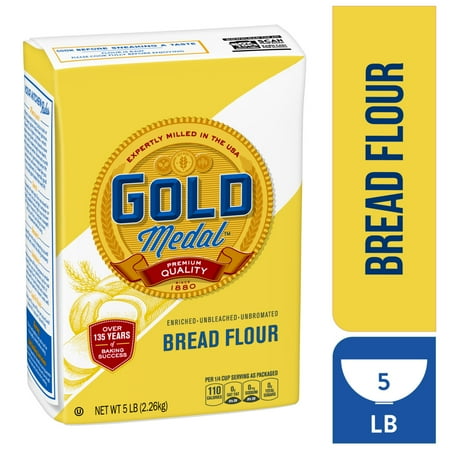
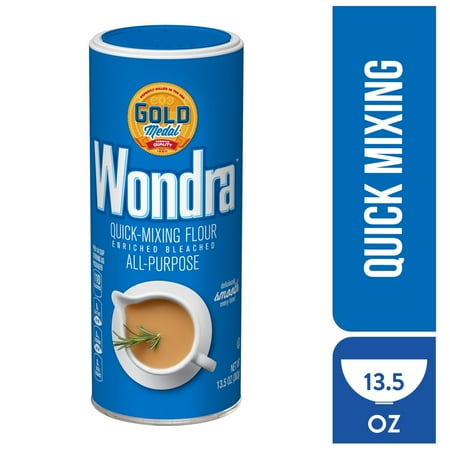
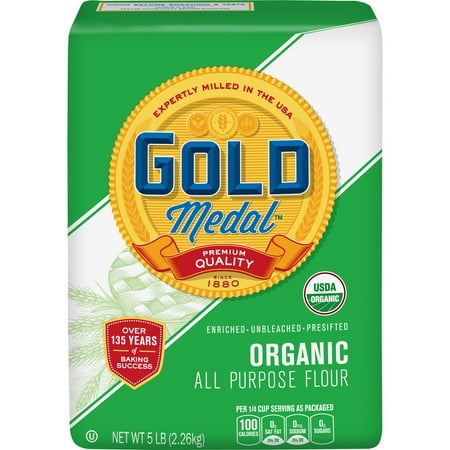
GOLD MEDAL BL EN PS AP FLOUR
Summary
This flour product is processed and contains enriched ingredients like niacin, iron, and folic acid, which are added to replace nutrients lost during processing. While it lacks harmful additives and seed oils, the use of bleached wheat flour indicates a moderate level of processing. The inclusion of beneficial nutrients is positive, but the overall processing level limits its score.
At a glance
Key ingredients 7
Bleached wheat flourNeutral
Bleached wheat flour is a refined flour that has been chemically treated to improve its baking properties. The bleaching process can reduce some nutritional content, but it enhances the flour's texture and color. It is commonly used in baking for its consistent results.
Risks
The bleaching process may reduce some of the natural nutrients found in whole wheat flour.
Benefits
Provides a consistent texture and color for baking, making it a staple in many recipes.
Malted barley flourGood
Malted barley flour is used to enhance the flavor and texture of baked goods. It contains enzymes that help break down starches, improving dough fermentation. This ingredient can add a subtle sweetness and improve the nutritional profile of flour blends.
Benefits
Enhances flavor and texture in baked goods and aids in dough fermentation.
NiacinGood
Niacin, also known as vitamin B3, is an essential nutrient that supports energy metabolism and nervous system health. It is often added to enriched flours to replace nutrients lost during processing. Niacin is crucial for converting food into energy and maintaining healthy skin and nerves.
Benefits
Supports energy metabolism and nervous system health, and is essential for converting food into energy.
IronGood
Iron is a vital mineral necessary for the production of hemoglobin, which carries oxygen in the blood. It is added to enriched flours to prevent iron deficiency anemia. Iron is crucial for maintaining energy levels and supporting immune function.
Risks
Excessive iron intake can lead to toxicity, but this is rare from dietary sources alone.
Benefits
Essential for oxygen transport in the blood and supports energy levels and immune function.
Thiamin mononitrateGood
Thiamin mononitrate is a form of vitamin B1, essential for carbohydrate metabolism and nerve function. It is added to enriched flours to replace nutrients lost during processing. Thiamin is crucial for energy production and maintaining healthy nerve function.
Benefits
Supports carbohydrate metabolism and nerve function, and is essential for energy production.
RiboflavinGood
Riboflavin, or vitamin B2, is important for energy production and cellular function. It is added to enriched flours to ensure adequate intake of this essential nutrient. Riboflavin helps convert carbohydrates into energy and supports healthy skin and eyes.
Benefits
Supports energy production and cellular function, and is important for healthy skin and eyes.
Folic acidGood
Folic acid is a synthetic form of folate, a B vitamin essential for DNA synthesis and cell division. It is added to enriched flours to prevent neural tube defects during pregnancy. Folic acid is crucial for proper brain function and mental and emotional health.
Risks
Excessive intake of folic acid can mask vitamin B12 deficiency, but this is rare with normal dietary consumption.
Benefits
Essential for DNA synthesis and cell division, and helps prevent neural tube defects during pregnancy.
Processing
Processed Foods
Get the full breakdown in the Scout app
Scan any product to see lab results, healthy alternatives, and your personalized analysis.
Download on theApp Store