


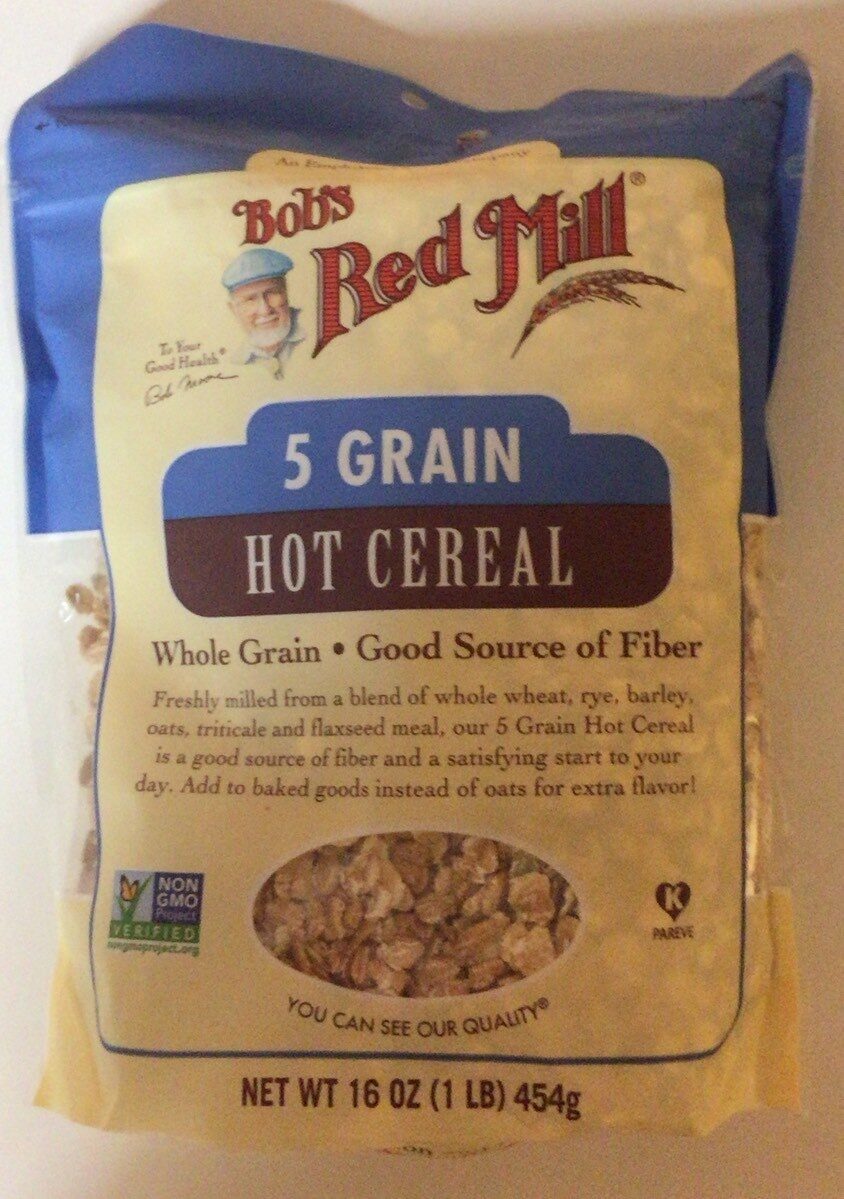


Kashi Golean Cereal Original 15.8oz
Analysis updated May 2026 · How Scout scores
At a glance
Summary
This cereal contains a beneficial blend of whole grains and fiber-rich ingredients, which contribute positively to its nutritional profile. However, the presence of brown rice syrup and dried cane syrup adds significant amounts of sugar, and the use of expeller pressed canola oil introduces concerns due to its high omega-6 fatty acid content. Additionally, the product is highly processed, which limits its overall healthfulness despite some nutritious components.
Key ingredients 11
Kashi seven whole grains and sesame blendVery Good
This blend provides a diverse range of whole grains, offering a rich source of fiber and essential nutrients. Whole grains are minimally processed, retaining their natural nutrients and fiber content. The inclusion of sesame seeds adds healthy fats and additional nutrients.
Benefits
Rich in dietary fiber, which supports digestive health and helps maintain stable blood sugar levels. Provides essential vitamins and minerals from a variety of grains.
Whole grain oatsVery Good
Whole grain oats are a nutrient-dense food rich in fiber, vitamins, and minerals. They are minimally processed, retaining their natural nutrients and health benefits. Oats are known for their cholesterol-lowering properties and ability to stabilize blood sugar levels.
Benefits
Rich in beta-glucan, a type of soluble fiber that supports heart health and helps regulate blood sugar levels.
Chicory root fiberGood
Chicory root fiber is a prebiotic fiber that supports gut health by promoting the growth of beneficial bacteria. It is minimally processed and can enhance digestive health. Its inclusion in foods can help increase fiber intake without adding calories.
Risks
Excessive consumption may cause digestive discomfort in some individuals.
Benefits
Supports digestive health by acting as a prebiotic and increasing fiber intake.
HoneyGood
Honey is a natural sweetener with antioxidant properties and trace nutrients. It is less processed than refined sugars and can provide some health benefits when consumed in moderation. Its natural sugars are more slowly absorbed, reducing blood sugar spikes compared to refined sugars.
Risks
Excessive consumption can contribute to high sugar intake and related health issues.
Benefits
Contains antioxidants and trace nutrients that may offer health benefits beyond simple caloric content.
CinnamonGood
Cinnamon is a spice with antioxidant properties and potential health benefits. It is minimally processed and can enhance flavor without adding calories. Some studies suggest it may help regulate blood sugar levels.
Benefits
Contains antioxidants and may support blood sugar regulation.
Mixed tocopherolsGood
Beneficial ingredient — whole-food or functional value in this product class.
Benefits
Helps preserve food freshness by preventing oxidation.
Soy flakesNeutral
Soy flakes are a source of plant-based protein and fiber. They are minimally processed and retain most of their natural nutrients. However, they may not provide as complete an amino acid profile as animal-based proteins.
Risks
May cause allergic reactions in individuals sensitive to soy.
Benefits
Provides plant-based protein and fiber, contributing to satiety and digestive health.
SaltNeutral
Salt is used to enhance flavor and preserve food. It is a necessary nutrient but should be consumed in moderation to avoid health issues. Excessive salt intake is linked to hypertension and cardiovascular diseases.
Risks
High intake may lead to increased blood pressure and cardiovascular risk.
Benefits
Essential for maintaining fluid balance and nerve function in the body.
Brown rice syrupBad
Brown rice syrup is a sweetener derived from brown rice, often used as an alternative to refined sugars. It is processed and has a high glycemic index, which can lead to rapid spikes in blood sugar levels. Despite being derived from brown rice, it lacks significant nutritional benefits.
Risks
High glycemic index may contribute to blood sugar spikes and increased risk of insulin resistance.
Dried cane syrupBad
Dried cane syrup is a form of sugar that is less processed than refined white sugar but still contributes to added sugar intake. It can lead to increased calorie consumption without providing essential nutrients. Its use in processed foods can contribute to excessive sugar intake.
Risks
Excessive consumption may lead to weight gain, dental issues, and increased risk of metabolic disorders.
Expeller pressed canola oilVery Bad
Canola oil is a seed oil high in omega-6 fatty acids, which can promote inflammation when consumed in excess. Expeller pressing is a mechanical extraction method that avoids chemical solvents, but the oil still undergoes refining. Despite being marketed as heart-healthy, its high omega-6 content is a concern.
Risks
High omega-6 content may promote inflammation and imbalance in omega-3 to omega-6 ratio.
Processing
Ultra-Processed Foods
Get the full breakdown in the Scout appTake Scout shopping
Scan any product to see lab results, healthy alternatives, and your personalized analysis.
Download on theApp Store GET IT ONGoogle Play