
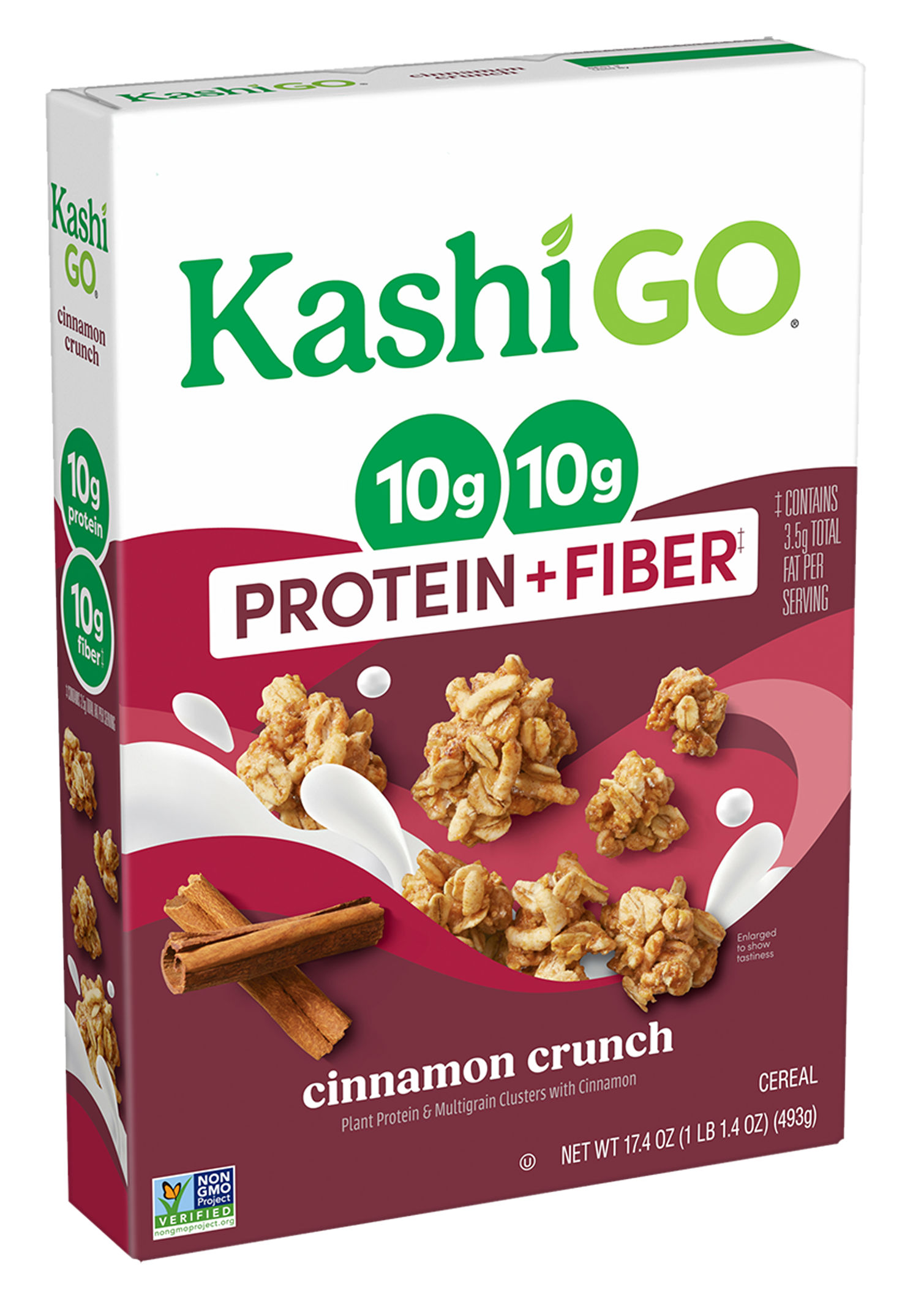
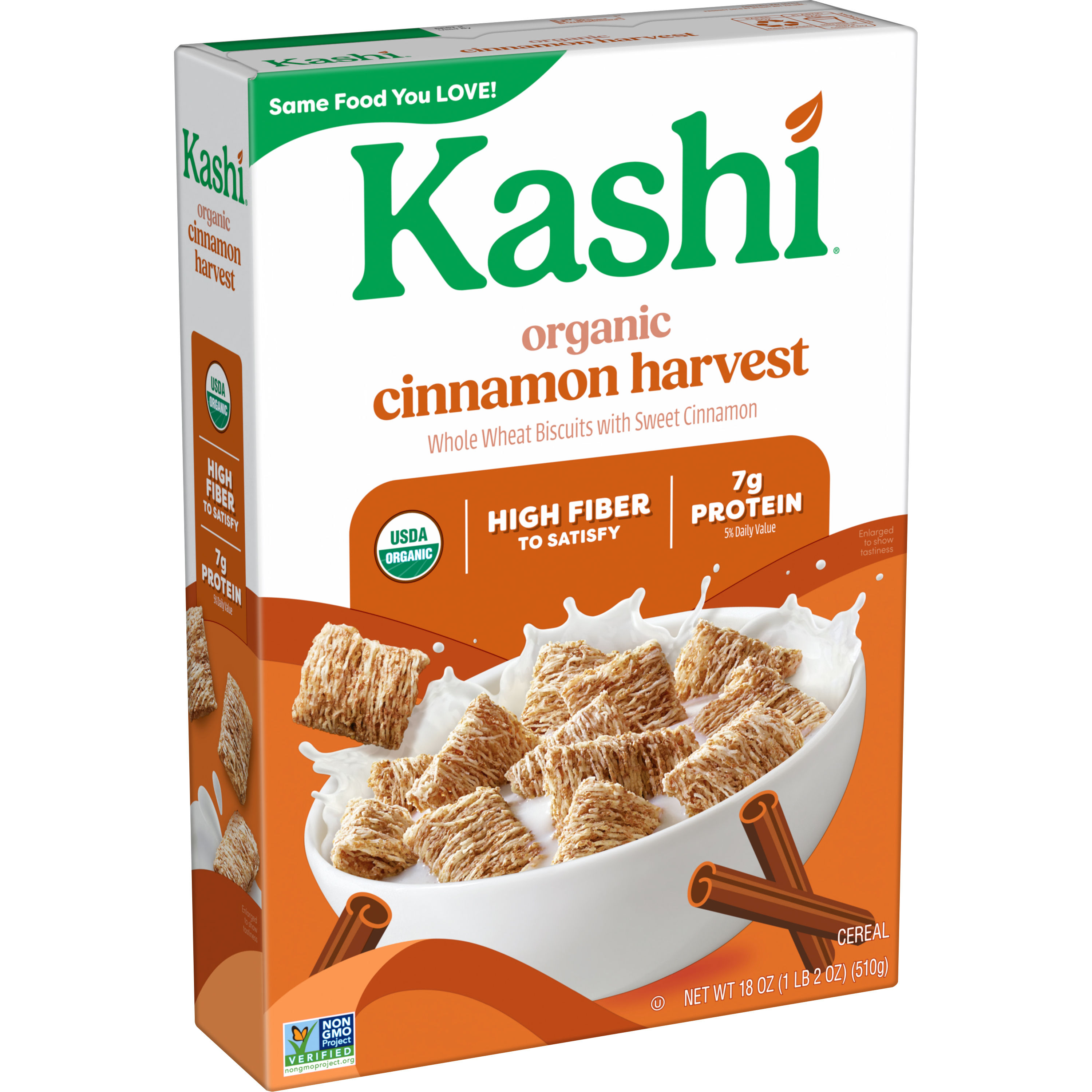


Kashi Golean Cereal Cinnamon 14oz
Analysis updated May 2026 · How Scout scores
At a glance
Summary
This cereal contains beneficial ingredients like whole grain oats and chicory root fiber, which provide fiber and nutrients. However, it is heavily processed and includes less desirable components such as dried cane syrup, brown rice syrup, and expeller pressed canola oil. The presence of multiple additives and the use of natural flavors further contribute to its high processing level, limiting its overall healthiness despite some positive nutritional aspects.
Key ingredients 17
Whole grain oatsVery Good
Whole grain oats are a nutritious source of fiber and essential nutrients. They are minimally processed, retaining their natural vitamins and minerals. Oats can help lower cholesterol levels and support heart health.
Benefits
Rich in soluble fiber, which can aid in digestion and help maintain healthy cholesterol levels.
Wheat sticksGood
Wheat sticks are made from whole wheat flour and a blend of whole grains, providing fiber and nutrients. The inclusion of whole grains supports digestive health and provides sustained energy. They are a minimally processed source of carbohydrates.
Risks
Contains gluten, which may be problematic for individuals with celiac disease or gluten sensitivity.
Benefits
Rich in dietary fiber and essential nutrients from whole grains.
Chicory root fiberGood
Chicory root fiber is a prebiotic fiber that supports gut health by promoting beneficial bacteria. It is minimally processed and can aid in digestion. This fiber can also help improve bowel regularity and support overall digestive health.
Risks
Excessive consumption may cause digestive discomfort in some individuals.
Benefits
Supports gut health and digestion by promoting beneficial gut bacteria.
Oat fiberGood
Oat fiber is a natural source of dietary fiber that supports digestive health. It is minimally processed and helps maintain bowel regularity. The inclusion of oat fiber can aid in satiety and weight management.
Benefits
Supports digestive health and can aid in weight management by promoting satiety.
CinnamonGood
Cinnamon is a spice known for its antioxidant properties and potential to regulate blood sugar levels. It is minimally processed and adds flavor without added sugars or calories. Cinnamon can also have anti-inflammatory effects.
Benefits
Contains antioxidants and may help regulate blood sugar levels.
Mixed tocopherolsGood
Mixed tocopherols are a form of vitamin E used as an antioxidant to preserve freshness. They are derived from natural sources and help prevent oxidation in food products. Vitamin E also supports immune function and skin health.
Benefits
Acts as an antioxidant and supports immune function and skin health.
Soy flakesNeutral
Soy flakes provide a plant-based source of protein and essential amino acids. They are processed from soybeans, which may contain phytoestrogens. While beneficial for some, soy can be an allergen for others.
Risks
May cause allergic reactions in individuals sensitive to soy.
Benefits
Provides a plant-based protein source and contains essential amino acids.
Defatted soy gritsNeutral
Defatted soy grits are a processed form of soy that provides protein without the fat content. They are used to enhance protein content in foods. While beneficial for protein intake, they may not provide the same nutritional profile as whole soybeans.
Risks
May cause allergic reactions in individuals sensitive to soy.
Benefits
Offers a low-fat source of plant-based protein.
Degerminated yellow corn flourNeutral
Degerminated yellow corn flour is a refined grain product that provides carbohydrates. The degermination process removes the germ and bran, reducing fiber and nutrient content. It serves as a basic carbohydrate source but lacks the nutritional benefits of whole grains.
Risks
Lacks fiber and essential nutrients compared to whole grain alternatives.
Benefits
Provides a source of carbohydrates for energy.
Baking sodaNeutral
Baking soda is a leavening agent used to help baked goods rise. It is chemically processed but used in small amounts in food products. While it serves a functional purpose, it does not provide nutritional benefits.
See more about Baking soda →Evaporated saltNeutral
Evaporated salt is a form of salt used to enhance flavor in foods. It is processed through evaporation to remove impurities. While it is necessary for flavor, excessive consumption can lead to health issues such as hypertension.
Risks
Excessive consumption can contribute to hypertension and cardiovascular issues.
Benefits
Enhances flavor in foods, necessary for certain culinary applications.
Dried cane syrupBad
Dried cane syrup is a form of refined sugar that can contribute to increased blood sugar levels. It is processed to remove impurities, resulting in a high glycemic index. Excessive consumption can lead to health issues such as obesity and diabetes.
Risks
High sugar content can contribute to obesity, diabetes, and other metabolic disorders.
Brown rice syrupBad
Brown rice syrup is a sweetener derived from brown rice, often used as an alternative to refined sugars. It has a high glycemic index, which can lead to spikes in blood sugar levels. Despite being less processed than some sweeteners, it still lacks significant nutritional benefits.
Risks
High glycemic index can lead to blood sugar spikes and potential metabolic issues.
Soy protein isolateBad
Soy protein isolate is a highly processed form of soy protein used to boost protein content. It lacks the complete amino acid profile found in animal-based proteins. The processing involved can also reduce the nutritional quality of the protein.
Risks
May cause allergic reactions and lacks the complete amino acid profile of animal-based proteins.
Benefits
Provides a concentrated source of plant-based protein.
Natural flavorsBad
Natural flavors are a catch-all term for flavoring agents derived from natural sources but can be heavily processed. The lack of transparency in their composition raises concerns about potential allergens and additives. They do not provide nutritional benefits and can mask the quality of the underlying ingredients.
Risks
Potential allergens and additives may be present, with no clear disclosure of ingredients.
Soy lecithinBad
Refined emulsifier lecithin (doctrine: 'bad', distinct from seed oils).
Risks
May cause allergic reactions in individuals sensitive to soy.
Benefits
Improves texture and stability in food products.
Expeller pressed canola oilVery Bad
Canola oil is a seed oil high in omega-6 fatty acids, which can promote inflammation when consumed in excess. Expeller pressing is a mechanical extraction method, but the oil still undergoes refining. The high omega-6 content and processing concerns make it a less desirable fat source.
Risks
High omega-6 content may promote inflammation and imbalance in fatty acid intake.
Processing
Ultra-Processed Foods
Get the full breakdown in the Scout appTake Scout shopping
Scan any product to see lab results, healthy alternatives, and your personalized analysis.
Download on theApp Store GET IT ONGoogle PlayAmazon pricing & content
Amazon price as of . Product prices and availability are accurate as of the date/time indicated and are subject to change. Any price and availability information displayed on Amazon.com at the time of purchase will apply to the purchase of this product.
CERTAIN CONTENT THAT APPEARS ON THIS SITE COMES FROM AMAZON. THIS CONTENT IS PROVIDED “AS IS” AND IS SUBJECT TO CHANGE OR REMOVAL AT ANY TIME.