
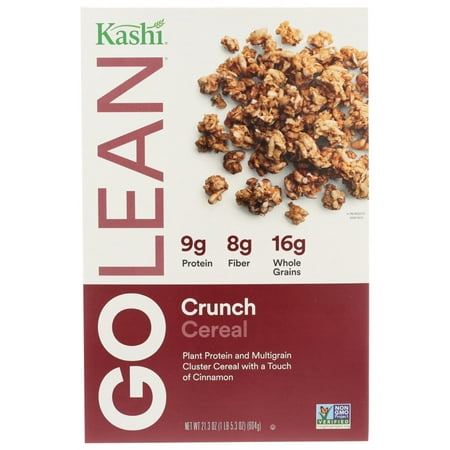


Kashi Golean Cereal Crunch 21.3oz
Summary
This cereal contains a mix of beneficial whole grains and fibers, which contribute positively to its nutritional profile. However, the presence of added sugars like brown rice syrup and dried cane syrup, along with the use of canola oil, detracts from its healthiness. Additionally, the product is considered ultra-processed, which limits its overall score despite the presence of some healthy ingredients.
At a glance
Key ingredients 11
Kashi seven whole grains and sesame blendVery Good
This blend provides a variety of whole grains, which are rich in fiber and essential nutrients. Whole grains are minimally processed, retaining their bran and germ, which contribute to better health outcomes. The inclusion of sesame seeds adds healthy fats and additional nutrients.
Benefits
Rich in dietary fiber, vitamins, and minerals, supporting digestive health and reducing the risk of chronic diseases.
Soy flakesNeutral
Soy flakes are a source of plant-based protein and contain essential amino acids. They are less processed than soy protein isolates, retaining more of their natural nutrients. However, they may not provide as complete a protein profile as animal-based sources.
Risks
May cause allergic reactions in individuals sensitive to soy.
Benefits
Provides plant-based protein and isoflavones, which may have health benefits such as supporting heart health.
Brown rice syrupBad
Brown rice syrup is a sweetener derived from brown rice, often used as an alternative to refined sugars. It is high in glucose, which can lead to rapid spikes in blood sugar levels. Despite being derived from brown rice, it lacks significant nutritional benefits.
Risks
High glycemic index may contribute to blood sugar spikes and increased risk of metabolic disorders.
Dried cane syrupBad
Dried cane syrup is a form of sugar that is less refined than white sugar but still contributes to added sugar intake. It provides calories without significant nutrients, similar to other refined sugars. Its use in processed foods can contribute to excessive sugar consumption.
Risks
Excessive consumption can lead to weight gain, dental issues, and increased risk of chronic diseases.
Chicory root fiberGood
Chicory root fiber is a prebiotic fiber that supports gut health by promoting beneficial bacteria growth. It is minimally processed and can enhance digestive health. Its inclusion in foods can help increase fiber intake without significantly altering taste.
Risks
Excessive consumption may cause digestive discomfort in some individuals.
Benefits
Supports digestive health and may improve bowel regularity due to its prebiotic properties.
Whole grain oatsVery Good
Whole grain oats are a rich source of soluble fiber, particularly beta-glucan, which supports heart health. They are minimally processed, retaining their nutrient-rich bran and germ. Oats can help lower cholesterol levels and improve blood sugar control.
Benefits
Rich in fiber and nutrients, supporting heart health and providing sustained energy.
Expeller pressed canola oilBad
Canola oil is a seed oil high in omega-6 fatty acids, which can promote inflammation if consumed in excess. Although expeller pressing is a mechanical extraction method that avoids chemical solvents, the oil still undergoes refining processes. Its high omega-6 content is a concern for balanced omega-3 to omega-6 ratios.
Risks
High omega-6 content may promote inflammation when consumed in excess.
Benefits
Contains monounsaturated fats that can support heart health when consumed in moderation.
HoneyGood
Honey is a natural sweetener with antioxidant properties and trace nutrients. It is less processed than refined sugars and can provide a natural source of energy. Its use in moderation can add flavor and sweetness without excessive processing.
Risks
High sugar content can contribute to weight gain and dental issues if consumed in excess.
Benefits
Contains antioxidants and trace nutrients, offering a natural alternative to refined sugars.
SaltNeutral
Salt is used to enhance flavor and preserve food. It is a natural mineral that is essential for various bodily functions. However, excessive intake can lead to health issues such as hypertension.
Risks
Excessive consumption can lead to high blood pressure and increased risk of cardiovascular diseases.
Benefits
Essential for maintaining fluid balance and nerve function in the body.
CinnamonGood
Cinnamon is a spice with antioxidant properties and potential health benefits. It is minimally processed and can enhance flavor without adding calories. Its inclusion in foods can provide a natural source of flavor and potential health benefits.
Benefits
Contains antioxidants and may help regulate blood sugar levels.
Mixed tocopherolsGood
Mixed tocopherols are a form of vitamin E used to preserve freshness and prevent oxidation. They are naturally derived and provide antioxidant benefits. Their inclusion helps maintain the quality and shelf life of the product.
Benefits
Acts as an antioxidant, protecting cells from oxidative damage and preserving product freshness.
Processing
Ultra-Processed Foods
Get the full breakdown in the Scout app
Scan any product to see lab results, healthy alternatives, and your personalized analysis.
Download on theApp Store