

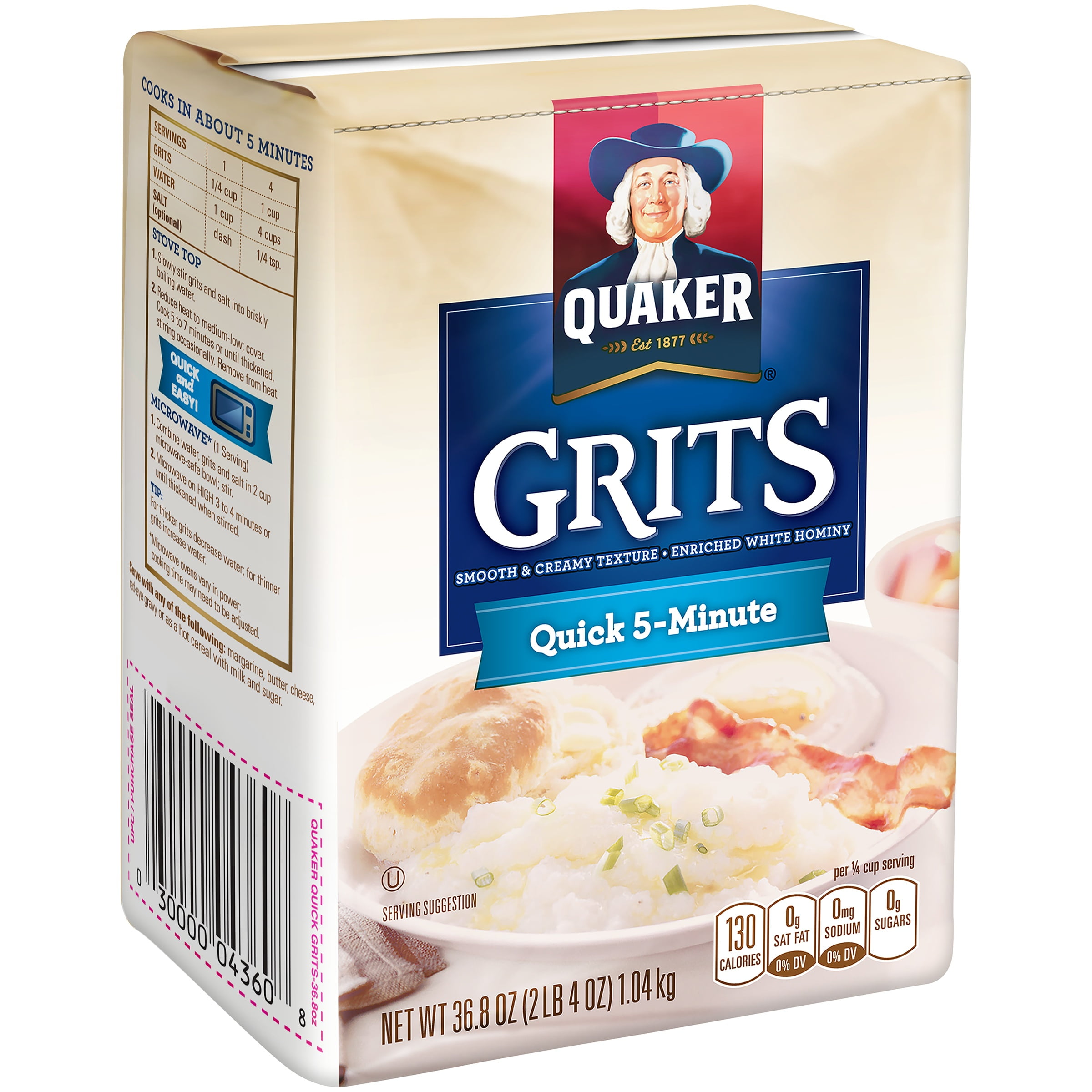




Quaker Instant Grits Original 18 Ounce Paper Box
Analysis updated May 2026 · How Scout scores
At a glance
Summary
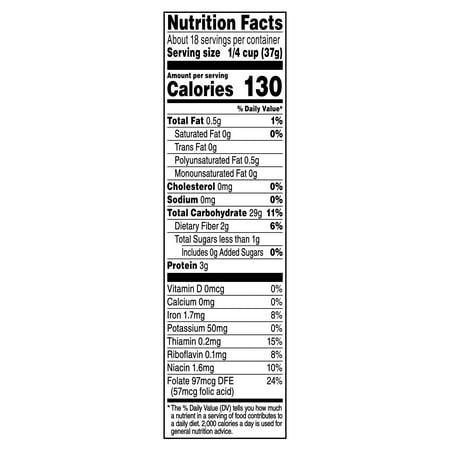
This product contains beneficial fortifying ingredients like calcium carbonate and reduced iron, which support bone health and prevent anemia. However, it is processed and includes BHT, a controversial preservative with potential health concerns. The presence of additives and the level of processing limit its overall healthiness despite the fortification benefits.
Key ingredients 10
NiacinamideGood
Vitamin B3 — evidence-backed skin and metabolic benefits.
Benefits
Supports energy metabolism and is essential for maintaining healthy skin and nerves.
RiboflavinGood
Essential B vitamin — beneficial micronutrient.
Benefits
Essential for energy production and helps maintain healthy skin and eyes.
Degerminated white corn gritsNeutral
Degerminated white corn grits are a processed form of corn where the germ and bran are removed. This process reduces fiber and nutrient content compared to whole corn. It is a common ingredient in grits, providing a base carbohydrate source.
Risks
The removal of the germ and bran reduces the nutritional value, particularly fiber and essential nutrients.
Benefits
Provides a source of carbohydrates and energy, though with limited nutritional benefits compared to whole grain options.
SaltNeutral
Salt is used to enhance flavor in foods. It is a common additive in processed foods and can contribute to high sodium intake. Moderation is key to avoid potential health issues related to excessive sodium consumption.
Risks
Excessive consumption of salt can lead to high blood pressure and increased risk of cardiovascular diseases.
Benefits
Enhances flavor and is essential for maintaining fluid balance and nerve function in the body.
Calcium carbonateNeutral
Standard formulation ingredient — neither beneficial nor harmful at typical use.
Benefits
Provides a source of calcium, which is essential for bone health and various metabolic functions.
Reduced ironNeutral
Standard formulation ingredient — neither beneficial nor harmful at typical use.
Risks
Excessive iron intake can lead to toxicity, but this is rare with food fortification.
Benefits
Essential for the production of hemoglobin and myoglobin, supporting oxygen transport and energy metabolism.
Citric acidNeutral
Citric acid is a natural preservative and flavor enhancer found in citrus fruits. It is widely used in the food industry to add acidity and preserve freshness. It is generally recognized as safe when used in food products.
Benefits
Acts as a natural preservative and can enhance flavor by adding acidity.
Thiamin mononitrateNeutral
Thiamin mononitrate is a form of vitamin B1 used to fortify foods. It is essential for energy metabolism and nerve function. It is commonly added to processed foods to prevent deficiencies.
Benefits
Supports energy metabolism and is crucial for nerve function and carbohydrate metabolism.
Folic acidNeutral
Folic acid is a synthetic form of vitamin B9 used to fortify foods. It is crucial for DNA synthesis and cell division, particularly important during pregnancy. It is commonly added to foods to prevent neural tube defects.
Benefits
Essential for DNA synthesis and cell division, and helps prevent neural tube defects during pregnancy.
BHTBad
BHT (butylated hydroxytoluene) is a synthetic antioxidant used to preserve freshness in foods. It is controversial due to potential health concerns and is banned in some countries. Its safety is debated, with some studies suggesting potential carcinogenic effects.
Risks
Potential health concerns include carcinogenicity and endocrine disruption, though evidence is not conclusive.
Benefits
Helps prevent oxidation and rancidity in food products, extending shelf life.
Processing
Processed Foods
Get the full breakdown in the Scout appTake Scout shopping
Scan any product to see lab results, healthy alternatives, and your personalized analysis.
Download on theApp Store GET IT ONGoogle PlayAmazon pricing & content
Amazon price as of . Product prices and availability are accurate as of the date/time indicated and are subject to change. Any price and availability information displayed on Amazon.com at the time of purchase will apply to the purchase of this product.
CERTAIN CONTENT THAT APPEARS ON THIS SITE COMES FROM AMAZON. THIS CONTENT IS PROVIDED “AS IS” AND IS SUBJECT TO CHANGE OR REMOVAL AT ANY TIME.