


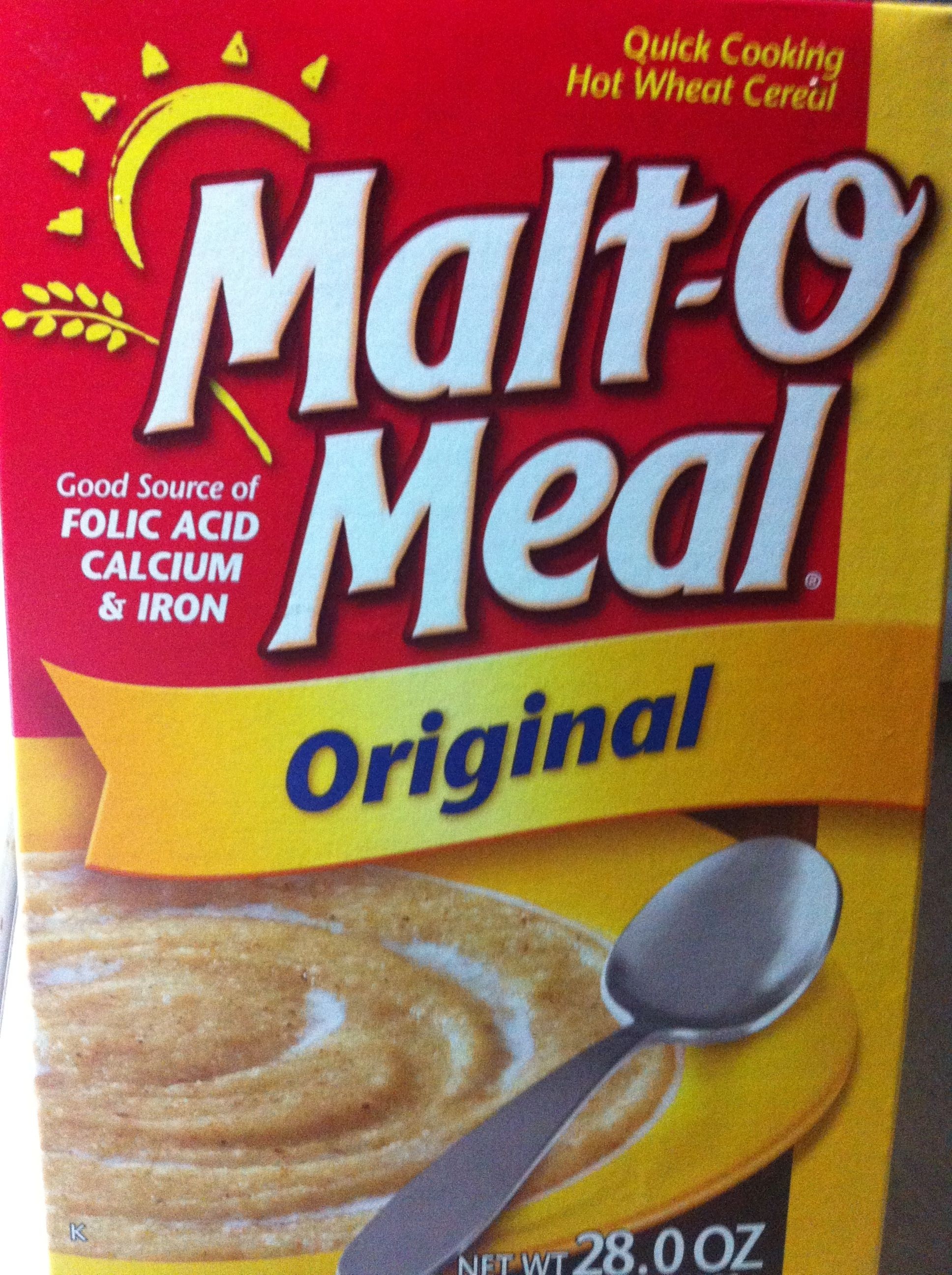
Aunt Jemima Quick Grits 36.8 Ounce Paper Box
At a glance
Summary
This product consists primarily of degerminated white corn grits with added vitamins and minerals, which are minimally processed. The ingredient list is short and free from harmful additives such as artificial colors, flavors, or preservatives. The product's low processing level and clean label contribute to its high rating.
Key ingredients 6
NiacinamideGood
Vitamin B3 — evidence-backed skin and metabolic benefits.
Benefits
Essential for energy metabolism and can help prevent niacin deficiency.
RiboflavinGood
Essential B vitamin — beneficial micronutrient.
Benefits
Supports energy production and helps maintain healthy skin and eyes.
Degerminated white corn gritsNeutral
Degerminated white corn grits are a staple carbohydrate source with minimal processing. The degermination process removes the germ and bran, reducing fiber and nutrient content. This ingredient is primarily a source of energy with limited nutritional benefits.
Risks
The removal of the germ and bran reduces the fiber and nutrient content, potentially leading to a less balanced diet if consumed excessively.
Benefits
Provides a quick source of carbohydrates and energy, suitable for those needing a fast-absorbing energy source.
Reduced ironNeutral
Reduced iron is added to fortify foods and prevent iron deficiency anemia. It is a synthetic form of iron that is less bioavailable than heme iron from animal sources. While it helps meet dietary iron needs, it may not be as efficiently absorbed.
Risks
Excessive iron intake can lead to gastrointestinal issues and, in severe cases, iron toxicity.
Benefits
Helps prevent iron deficiency anemia and supports oxygen transport in the body.
Thiamin mononitrateNeutral
Thiamin mononitrate is a synthetic form of vitamin B1 used to fortify foods. It is added to improve the nutritional profile and prevent thiamin deficiency. While beneficial for preventing deficiencies, it is not naturally occurring in this product.
Benefits
Essential for carbohydrate metabolism and nerve function.
Folic acidNeutral
Folic acid is a synthetic form of vitamin B9 used to fortify foods and prevent neural tube defects. It is added to enhance the nutritional profile of processed foods. While beneficial for preventing deficiencies, it is not naturally occurring in this product.
Risks
Excessive intake of folic acid can mask vitamin B12 deficiency symptoms.
Benefits
Essential for DNA synthesis and cell division, particularly important during pregnancy.
Processing
Unprocessed or Minimally Processed Foods
Get the full breakdown in the Scout appTake Scout shopping
Scan any product to see lab results, healthy alternatives, and your personalized analysis.
Download on theApp Store GET IT ONGoogle Play