
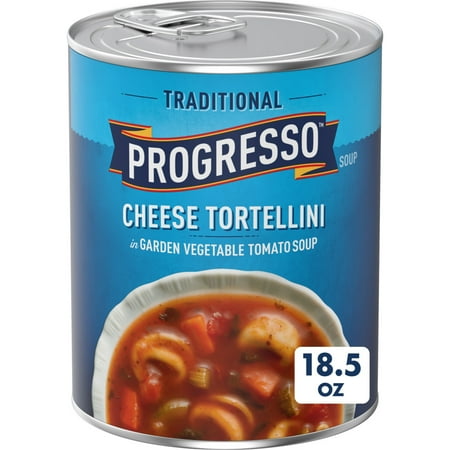



Progresso Traditional Cheese Tortellini in Garden Vegetable Tomato Soup
Analysis updated May 2026 · How Scout scores
At a glance
Summary
This product contains beneficial ingredients like tomatoes, zucchini, and carrots, which are minimally processed and provide essential nutrients. However, the presence of soybean oil and hydrolyzed corn protein, both highly processed ingredients, negatively impacts its health profile. Additionally, the product is classified as ultra-processed due to its complex ingredient list and use of additives, which further limits its overall healthiness.
Key ingredients 13
Tomato PureeGood
Tomato puree is a concentrated form of tomatoes, providing a rich source of vitamins and antioxidants. It is minimally processed, retaining much of the nutritional value of fresh tomatoes. The puree enhances the flavor and nutritional profile of the soup.
Benefits
Rich in lycopene, an antioxidant that may reduce the risk of certain diseases. Provides vitamins A and C, supporting immune function and skin health.
TomatoesGood
Tomatoes are a nutrient-rich fruit, providing vitamins, minerals, and antioxidants. They are minimally processed in this product, retaining their health benefits. Tomatoes contribute to the flavor and nutritional content of the soup.
Benefits
High in vitamin C and lycopene, supporting immune health and reducing oxidative stress.
ZucchiniGood
Zucchini is a low-calorie vegetable rich in vitamins and minerals. It is minimally processed, maintaining its nutritional integrity. Zucchini adds fiber and essential nutrients to the soup.
Benefits
Provides dietary fiber, vitamin C, and potassium, supporting digestive health and electrolyte balance.
CarrotsGood
Carrots are a root vegetable high in beta-carotene, fiber, and antioxidants. They are minimally processed in this product, preserving their nutritional benefits. Carrots enhance the color, flavor, and nutritional profile of the soup.
Benefits
Rich in beta-carotene, which the body converts to vitamin A, supporting vision and immune health.
OnionsGood
Onions are a flavorful vegetable that provides vitamins, minerals, and antioxidants. They are minimally processed, retaining their health benefits. Onions add depth of flavor and nutritional value to the soup.
Benefits
Contains quercetin, an antioxidant that may reduce inflammation and support heart health.
WaterNeutral
Water is a neutral ingredient used as a base for soups and other liquid foods. It provides no nutritional value but is essential for hydration. In this product, it acts as a solvent for other ingredients.
See more about Water →Cheese TortelliniNeutral
Cheese tortellini is a pasta filled with cheese, providing carbohydrates and some protein. It is a processed food but offers a source of energy and flavor. The quality of the cheese and pasta can vary, affecting nutritional value.
Risks
Contains gluten and dairy, which may cause allergies or intolerances in some individuals.
Benefits
Provides a source of carbohydrates for energy and some protein from the cheese filling.
Potassium ChlorideNeutral
Potassium chloride is used as a salt substitute to reduce sodium content in foods. It provides potassium, an essential mineral for maintaining electrolyte balance. While beneficial in moderation, excessive intake can be harmful.
Risks
Excessive intake may lead to hyperkalemia, especially in individuals with kidney issues.
Benefits
Provides potassium, which is essential for nerve function and muscle contraction.
Calcium ChlorideNeutral
Calcium chloride is used as a firming agent in canned foods. It helps maintain texture and stability. While it provides calcium, the amount is typically not significant enough to contribute to dietary intake.
Benefits
Provides calcium, but not in significant amounts to impact dietary intake.
Citric AcidNeutral
Citric acid is a natural preservative and flavor enhancer. It is commonly used in processed foods to maintain freshness and add a tangy flavor. It is generally recognized as safe when consumed in typical amounts.
Benefits
Acts as a preservative and flavor enhancer, extending shelf life and improving taste.
Modified Food StarchBad
Chemically modified starch additive.
Risks
May cause digestive issues in sensitive individuals.
Corn Protein (Hydrolyzed)Bad
Hydrolyzed corn protein is a processed ingredient used to enhance flavor. It is a source of free glutamates, which can be problematic for individuals sensitive to MSG. The processing method reduces the nutritional quality of the original corn.
Risks
May cause adverse reactions in individuals sensitive to MSG or those with corn allergies.
Soybean OilVery Bad
Soybean oil is a seed oil high in omega-6 fatty acids, which can promote inflammation when consumed in excess. It is highly processed, often involving chemical extraction methods. The high omega-6 content is a concern for maintaining a balanced fatty acid profile.
Risks
High omega-6 content may promote inflammation and is linked to various chronic diseases when consumed in excess.
Processing
Ultra-Processed Foods
Get the full breakdown in the Scout appTake Scout shopping
Scan any product to see lab results, healthy alternatives, and your personalized analysis.
Download on theApp Store GET IT ONGoogle PlayAmazon pricing & content
Amazon price as of . Product prices and availability are accurate as of the date/time indicated and are subject to change. Any price and availability information displayed on Amazon.com at the time of purchase will apply to the purchase of this product.
CERTAIN CONTENT THAT APPEARS ON THIS SITE COMES FROM AMAZON. THIS CONTENT IS PROVIDED “AS IS” AND IS SUBJECT TO CHANGE OR REMOVAL AT ANY TIME.