



At a glance
Summary
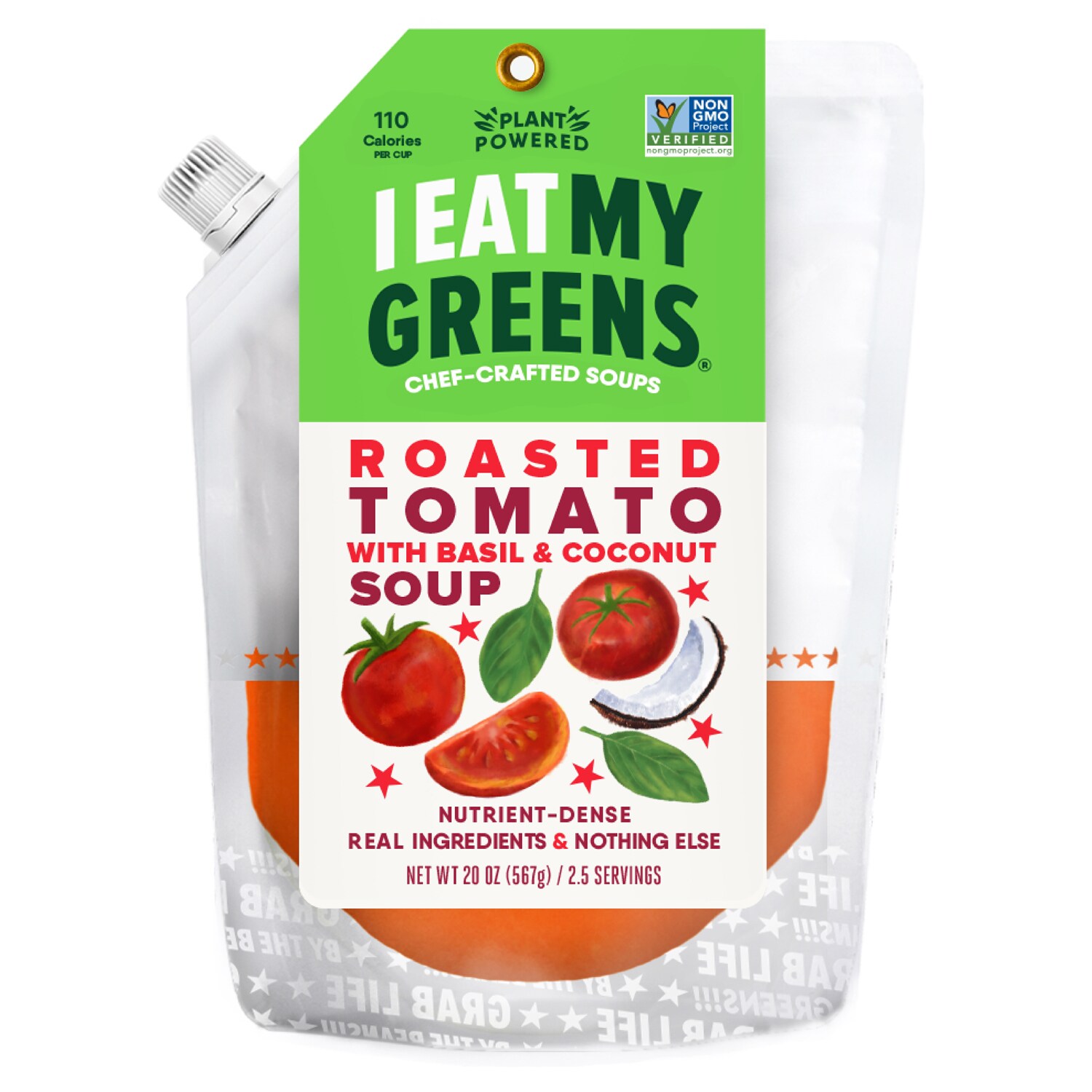
This tomato soup features a clean ingredient list with high-quality components like olive oil, garlic, and various forms of tomatoes, which are rich in antioxidants and beneficial nutrients. The use of minimally processed ingredients such as fresh onions and sun-dried tomatoes enhances its nutritional profile. Despite being processed, the absence of harmful additives and the presence of wholesome ingredients contribute positively to its healthiness.
Key ingredients 13
Olive oilVery Good
Olive oil is a high-quality source of monounsaturated fats, which are beneficial for heart health. It contains antioxidants that can reduce inflammation and oxidative stress. The oil is often cold-pressed, preserving its nutritional properties.
Benefits
Rich in monounsaturated fats and antioxidants, supporting cardiovascular health and reducing inflammation.
GarlicGood
Garlic is known for its potential to boost the immune system and reduce blood pressure. It contains sulfur compounds that have health-promoting properties. Fresh garlic retains more beneficial compounds compared to processed forms.
Risks
Excessive consumption may cause digestive discomfort in some individuals.
Benefits
May enhance immune function and support cardiovascular health due to its sulfur compounds.
White onionGood
White onions are a good source of vitamins and antioxidants, which can support immune health. They contain quercetin, a flavonoid that may have anti-inflammatory effects. Onions are low in calories and provide dietary fiber.
Benefits
Provides antioxidants and dietary fiber, supporting overall health and digestion.
Canned crushed tomatoesGood
Canned crushed tomatoes are rich in lycopene, an antioxidant linked to reduced risk of chronic diseases. They provide vitamins A and C, supporting immune function. The canning process preserves nutrients effectively.
Benefits
High in lycopene and vitamins, supporting heart health and immune function.
Sun-dried tomatoesGood
Sun-dried tomatoes are concentrated sources of vitamins and antioxidants, particularly lycopene. They offer a rich flavor and can enhance the nutritional profile of dishes. The drying process intensifies their nutrient content.
Risks
May contain added salt or preservatives; check labels if sensitive to sodium.
Benefits
Rich in antioxidants and vitamins, supporting heart health and providing a robust flavor.
Tomato pasteGood
Tomato paste is a concentrated source of lycopene and other antioxidants. It enhances flavor and nutritional content in recipes. The paste is made by cooking tomatoes, which increases lycopene bioavailability.
Benefits
Provides concentrated antioxidants and enhances flavor in dishes.
CinnamonGood
Cinnamon is known for its antioxidant properties and potential to regulate blood sugar levels. It adds a warm flavor to dishes and has been used in traditional medicine. The spice is derived from the inner bark of trees, retaining its natural compounds.
Risks
Excessive consumption may lead to liver damage due to coumarin content in some cinnamon types.
Benefits
Offers antioxidants and may help in blood sugar regulation.
Medium onionGood
Medium onions are similar to white onions, offering antioxidants and dietary fiber. They support immune health and provide a mild flavor to dishes. Onions are versatile and low in calories.
Benefits
Rich in antioxidants and fiber, supporting digestion and immune function.
Tomato juiceGood
Tomato juice is a good source of vitamins C and A, as well as lycopene. It supports hydration and provides antioxidants. The juice is often pasteurized, which preserves its nutritional content.
Risks
May contain added salt; check labels if sensitive to sodium.
Benefits
Provides hydration and antioxidants, supporting overall health.
Diced tomatoesGood
Diced tomatoes are rich in vitamins and antioxidants, particularly lycopene. They are versatile in cooking and enhance the nutritional profile of dishes. The canning process helps preserve their nutrients.
Benefits
High in lycopene and vitamins, supporting heart health and immune function.
ButterNeutral
Butter is a source of saturated fats and provides a rich flavor to dishes. It contains fat-soluble vitamins like A and D. The quality of butter can vary based on the diet of the cows it comes from.
Risks
High in saturated fats, which should be consumed in moderation to maintain heart health.
Benefits
Provides fat-soluble vitamins and enhances flavor in cooking.
Chicken brothNeutral
Chicken broth provides flavor and some nutrients like protein and minerals. It is often used as a base in soups and stews. The nutritional content can vary based on preparation and added ingredients.
Risks
May contain added salt or preservatives; check labels if sensitive to sodium.
Benefits
Adds flavor and some nutrients to dishes, though benefits depend on preparation.
Vegetable brothNeutral
Vegetable broth is used to add flavor and moisture to dishes. It contains some vitamins and minerals from the vegetables used. The nutritional content can vary based on the vegetables and preparation method.
Risks
May contain added salt or preservatives; check labels if sensitive to sodium.
Benefits
Provides flavor and some nutrients, though benefits depend on preparation.
Processing
Processed Foods
Get the full breakdown in the Scout appTake Scout shopping
Scan any product to see lab results, healthy alternatives, and your personalized analysis.
Download on theApp Store GET IT ONGoogle Play