
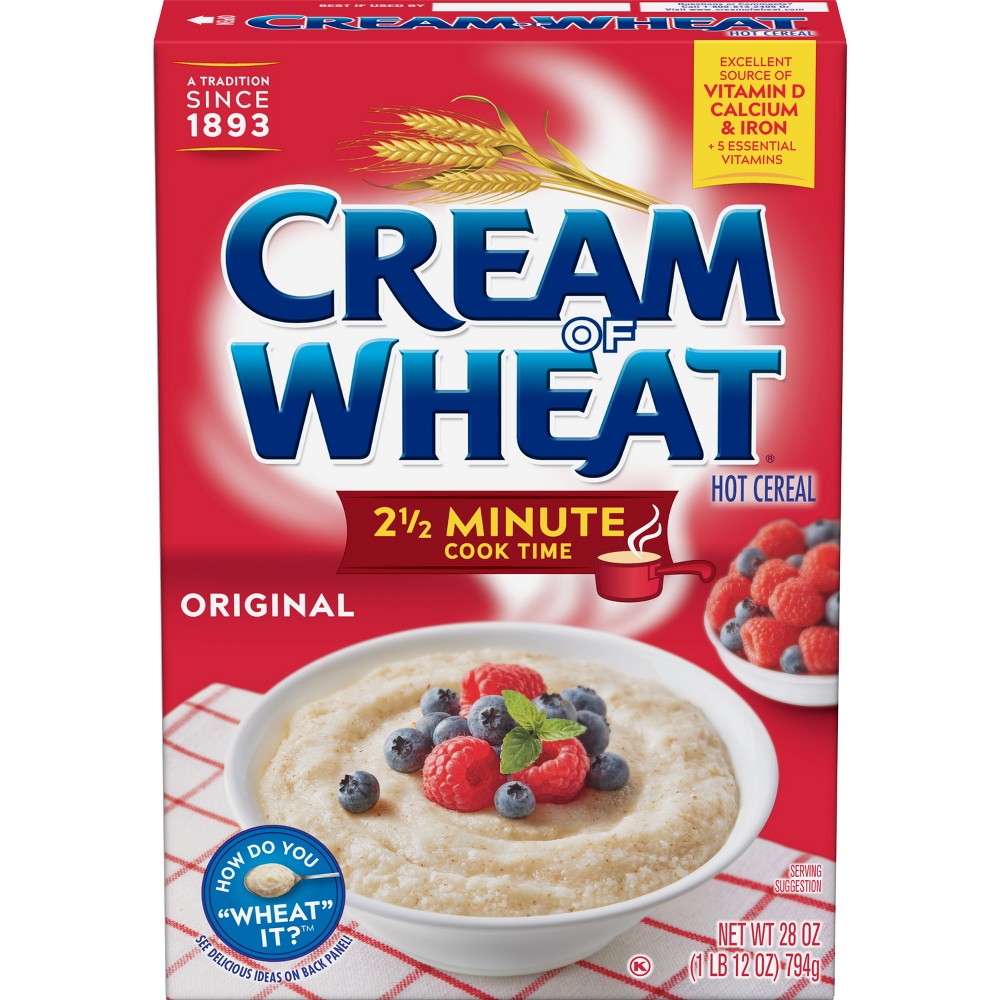
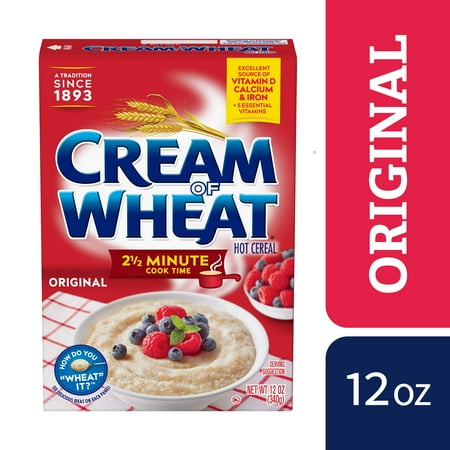
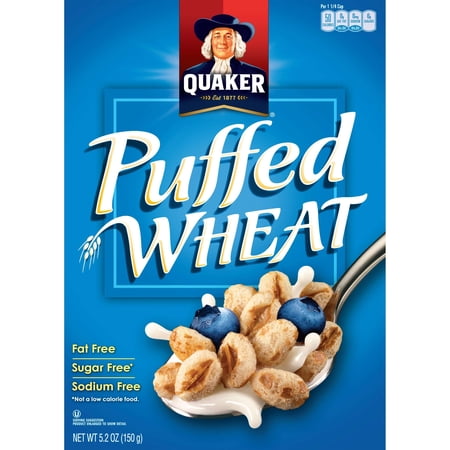
Cream of Wheat Enriched Farina Hot Cereal - 28oz
Analysis updated September 2026 · How Scout scores
At a glance
Summary
This product is minimally processed and primarily consists of wheat farina, which is a simple and straightforward ingredient. It is fortified with essential vitamins and minerals like iron, calcium, and various B vitamins, enhancing its nutritional profile. The presence of a single additive and the absence of harmful ingredients contribute to its favorable rating.
Key ingredients 11
Defatted wheat germGood
Defatted wheat germ is a nutrient-rich component of wheat, providing vitamins and minerals. It is processed to remove fat, making it a lower-calorie option. It is a good source of vitamin E and folic acid.
Benefits
Rich in vitamins and minerals, particularly vitamin E and folic acid, which support cellular health and metabolic functions.
Ferric orthophosphateGood
Ferric orthophosphate is used to fortify foods with iron, essential for oxygen transport in the blood. It is a stable form of iron supplementation. It helps prevent iron-deficiency anemia.
Risks
Excessive iron intake can lead to toxicity, causing gastrointestinal distress and other health issues.
Benefits
Supports the production of hemoglobin and myoglobin, crucial for oxygen transport and muscle function.
NiacinamideGood
Niacinamide is a form of vitamin B3 used to fortify foods, supporting energy metabolism. It is water-soluble and helps convert food into energy. It also plays a role in DNA repair and skin health.
Benefits
Supports energy production and cellular metabolism, contributing to overall health and vitality.
Thiamine mononitrateGood
Thiamine mononitrate is a form of vitamin B1 used to fortify foods, essential for carbohydrate metabolism. It is crucial for nerve function and energy production. It helps prevent thiamine deficiency, which can lead to neurological issues.
Benefits
Supports energy metabolism and nerve function, contributing to overall health.
Pyridoxine hydrochlorideGood
Pyridoxine hydrochloride is a form of vitamin B6 used to fortify foods, important for protein metabolism. It aids in the production of neurotransmitters and hemoglobin. It supports immune function and brain health.
Benefits
Essential for amino acid metabolism and neurotransmitter synthesis, supporting brain and immune health.
RiboflavinGood
Riboflavin, or vitamin B2, is used to fortify foods, supporting energy production and cellular function. It is water-soluble and helps convert carbohydrates into ATP. It also acts as an antioxidant, protecting cells from oxidative damage.
Benefits
Supports energy production and acts as an antioxidant, contributing to overall cellular health.
CholecalciferolGood
Cholecalciferol, or vitamin D3, is used to fortify foods, essential for calcium absorption and bone health. It is synthesized in the skin upon exposure to sunlight. It supports immune function and reduces inflammation.
Risks
Excessive intake can lead to hypercalcemia, causing nausea and kidney problems.
Benefits
Enhances calcium absorption, supporting bone health and immune function.
Wheat farinaNeutral
Wheat farina is a refined wheat product used as a base for hot cereals. It is minimally processed but lacks the fiber found in whole grains. It provides carbohydrates for energy but may not be suitable for those with gluten sensitivities.
Risks
Contains gluten, which can be problematic for individuals with celiac disease or gluten intolerance.
Benefits
Provides a source of carbohydrates that can be a quick energy source for the body.
Calcium carbonateNeutral
Standard formulation ingredient — neither beneficial nor harmful at typical use.
Risks
Excessive intake can lead to hypercalcemia, which may cause kidney stones and impaired absorption of other minerals.
Benefits
Contributes to the daily calcium requirement, supporting bone density and overall skeletal health.
Disodium phosphateNeutral
Disodium phosphate is used as an emulsifier and stabilizer in foods. It helps maintain texture and consistency in processed foods. It is generally recognized as safe when consumed in typical amounts.
Risks
Excessive consumption may lead to an imbalance in phosphate levels, affecting kidney function.
Folic acidNeutral
Standard formulation ingredient — neither beneficial nor harmful at typical use.
Risks
Excessive intake can mask vitamin B12 deficiency, leading to neurological issues.
Benefits
Supports DNA synthesis and cell division, crucial for growth and development.
Processing
Unprocessed or Minimally Processed Foods
Get the full breakdown in the Scout appTake Scout shopping
Scan any product to see lab results, healthy alternatives, and your personalized analysis.
Download on theApp Store GET IT ONGoogle PlayAmazon pricing & content
Amazon price as of . Product prices and availability are accurate as of the date/time indicated and are subject to change. Any price and availability information displayed on Amazon.com at the time of purchase will apply to the purchase of this product.
CERTAIN CONTENT THAT APPEARS ON THIS SITE COMES FROM AMAZON. THIS CONTENT IS PROVIDED “AS IS” AND IS SUBJECT TO CHANGE OR REMOVAL AT ANY TIME.