
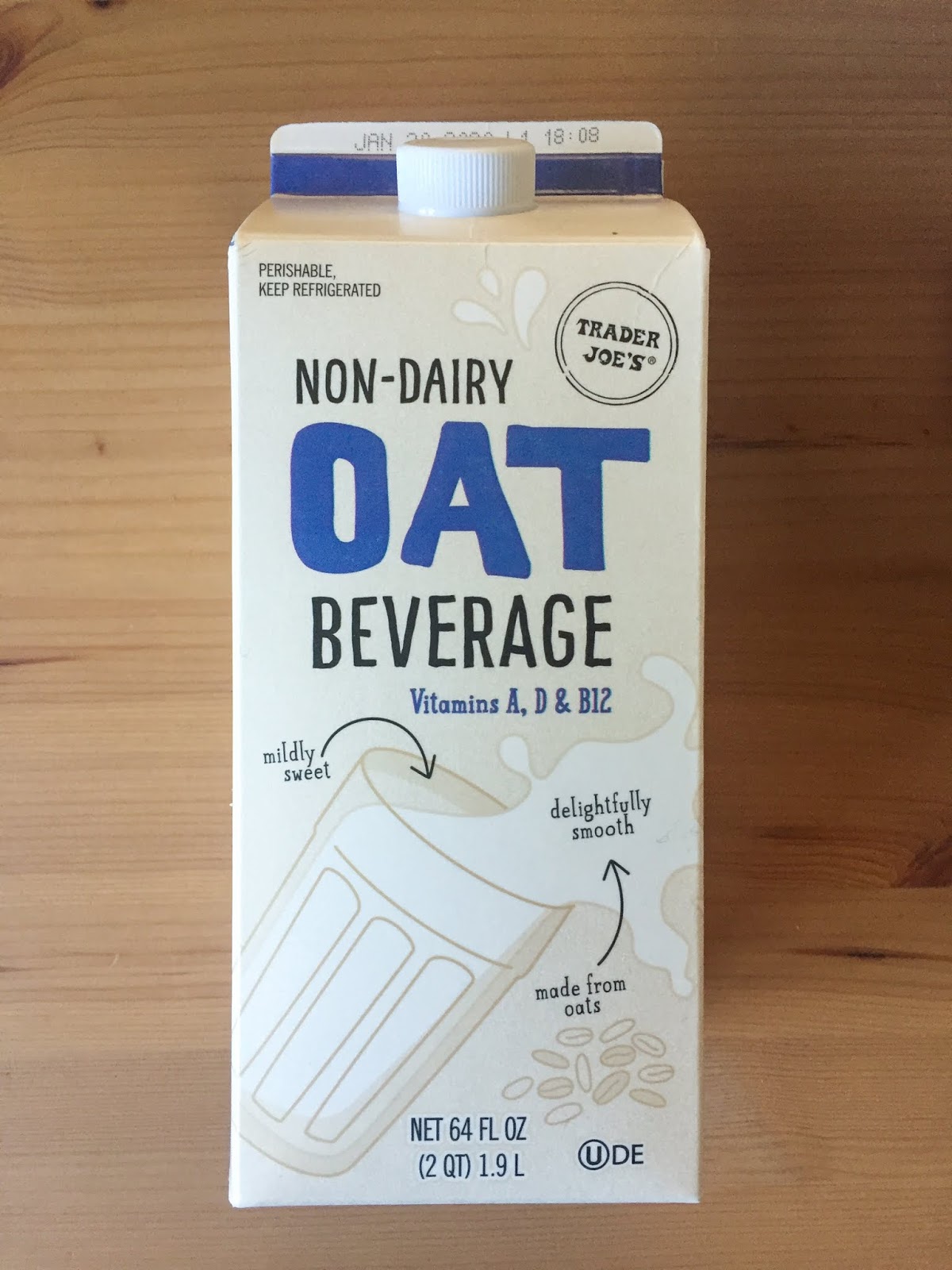



Non-Dairy Oat Beverage
Near you
Trader Joe's is carried at Trader Joe stores. Find one within 25 miles.
Summary
This non-dairy oat beverage is heavily processed, containing multiple additives such as gums and acidifiers, which contribute to its ultra-processed nature. The presence of sunflower oil, a seed oil high in omega-6 fatty acids, is a concern due to its potential inflammatory effects. Despite being fortified with beneficial vitamins and minerals, the overall ingredient quality and processing level limit its healthiness.
At a glance
Key ingredients 14
WaterNeutral
Water is a neutral ingredient that serves as the base for the beverage. It does not contribute any calories or nutrients but is essential for hydration. In this product, it acts as a solvent for other ingredients.
See more about Water →Hydrolyzed OatsGood
Hydrolyzed oats provide carbohydrates and some fiber, contributing to the beverage's nutritional profile. The hydrolysis process breaks down the oats, making them easier to digest and enhancing nutrient absorption. They can support heart health due to their beta-glucan content.
Benefits
Rich in beta-glucans, which can help lower cholesterol levels and support heart health.
Sunflower OilVery Bad
Sunflower oil is a seed oil high in omega-6 fatty acids, which can promote inflammation if consumed in excess. It is often highly processed, which may reduce its nutritional quality. The presence of sunflower oil in this beverage is concerning due to potential health impacts.
Risks
High omega-6 content may promote inflammation when consumed in excess.
Calcium CarbonateGood
Calcium carbonate is used to fortify the beverage with calcium, essential for bone health. It is a common supplement in non-dairy products to ensure adequate calcium intake. This ingredient helps meet daily calcium requirements, especially for those avoiding dairy.
Risks
Excessive intake may lead to hypercalcemia, but this is unlikely from typical consumption.
Benefits
Provides a source of calcium, supporting bone health and preventing osteoporosis.
Dipotassium PhosphateNeutral
Dipotassium phosphate acts as a stabilizer and emulsifier in the beverage. It helps maintain texture and consistency but does not contribute significant nutritional value. It is generally recognized as safe in moderate amounts.
Risks
Excessive consumption may affect kidney function, but typical dietary levels are safe.
Sea SaltGood
Unrefined sea salt — a minimally processed, natural source of sodium and essential trace minerals, and a legitimate whole-food seasoning. Treated as a positive ingredient.
Risks
Excessive sodium intake can lead to hypertension, but the amount in this product is minimal.
Benefits
Provides trace minerals and enhances flavor.
Gellan GumNeutral
Gellan gum is a gelling agent used to stabilize and thicken the beverage. It is derived from bacterial fermentation and is considered safe for consumption. It helps maintain the product's texture without significant nutritional impact.
See more about Gellan Gum →Xanthan GumNeutral
Xanthan gum is a common thickening agent that improves texture and stability. It is produced through fermentation and is widely used in food products. It does not provide nutritional benefits but enhances the product's consistency.
See more about Xanthan Gum →Citric AcidNeutral
Citric acid is used as an acidifier to enhance flavor and preserve freshness. It is naturally found in citrus fruits and is generally recognized as safe. It does not provide nutritional benefits but helps maintain product quality.
See more about Citric Acid →Tricalcium PhosphateGood
Tricalcium phosphate is added to fortify the beverage with calcium and phosphorus, supporting bone health. It is a common fortification agent in non-dairy products. This ingredient helps ensure adequate intake of essential minerals.
Risks
Excessive intake may lead to imbalances, but typical consumption levels are safe.
Benefits
Provides calcium and phosphorus, essential for bone and dental health.
Vitamin A PalmitateGood
Vitamin A palmitate is added to fortify the beverage with vitamin A, essential for vision and immune function. It is a stable form of vitamin A used in fortified foods. This ingredient helps meet daily vitamin A requirements.
Risks
Excessive intake can lead to hypervitaminosis A, but this is rare from fortified foods.
Benefits
Supports vision, immune function, and skin health.
Vitamin D2Good
Vitamin D2 is added to enhance the beverage's nutritional profile, supporting bone health and calcium absorption. It is a plant-based form of vitamin D suitable for vegans. This fortification helps prevent vitamin D deficiency.
Risks
Excessive intake can lead to toxicity, but this is unlikely from typical consumption.
Benefits
Supports bone health and enhances calcium absorption.
Riboflavin (Vitamin B2)Good
Riboflavin is added to fortify the beverage with vitamin B2, essential for energy production and cellular function. It is commonly used in fortified foods to prevent deficiencies. This ingredient supports metabolic processes and overall health.
Benefits
Supports energy production and cellular function.
Vitamin B12Good
Vitamin B12 is added to fortify the beverage, crucial for nerve function and red blood cell formation. It is especially important for those on a plant-based diet. This fortification helps prevent vitamin B12 deficiency.
Benefits
Supports nerve function and red blood cell formation.
Processing
Ultra-Processed Foods
Get the full breakdown in the Scout app
Scan any product to see lab results, healthy alternatives, and your personalized analysis.
Download on theApp Store