
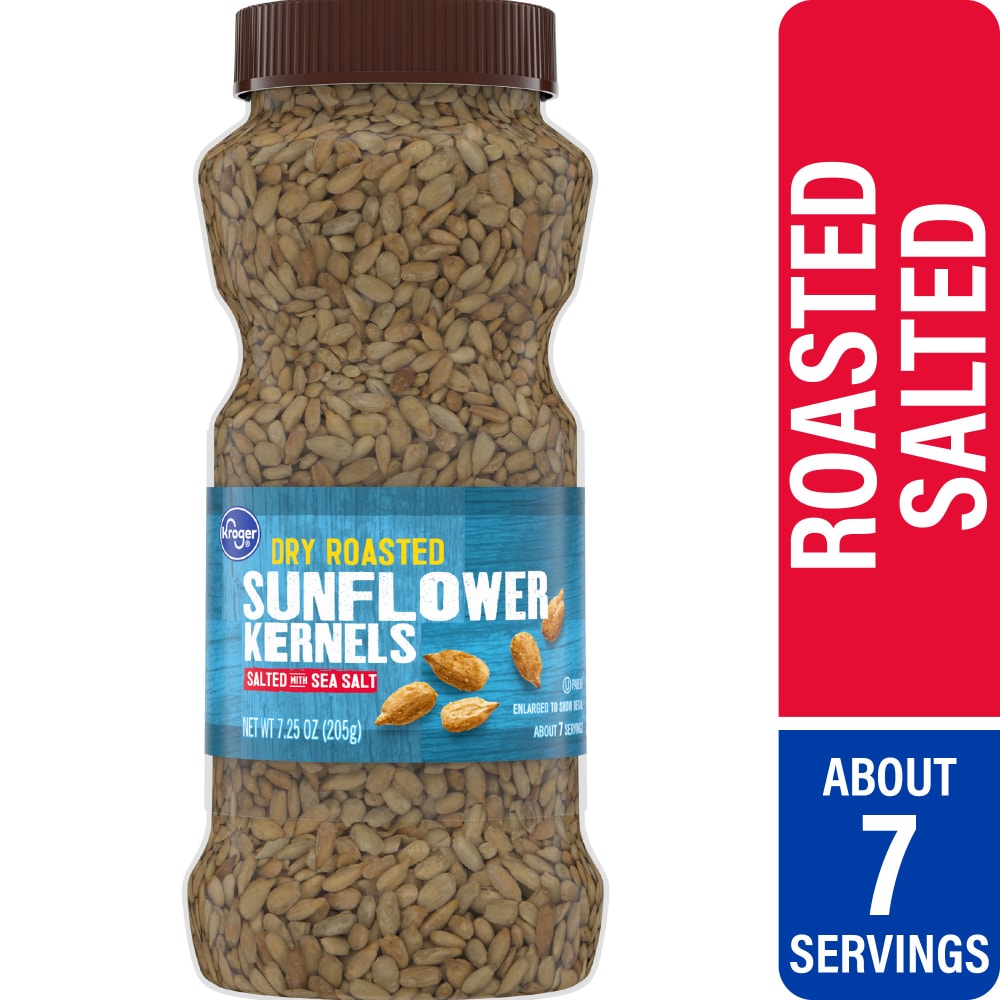
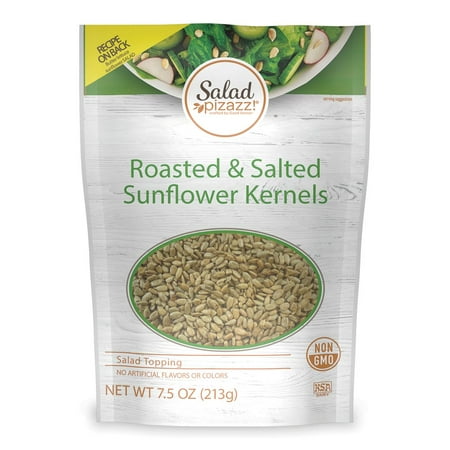


Dry Roasted Sunflower Kernels
KrogerAnalysis updated June 2026 · How Scout scores
At a glance
Summary
This product contains sunflower kernels, which are nutrient-dense and minimally processed, contributing positively to its nutritional profile. However, the use of cottonseed and sunflower oils, both high in omega-6 fatty acids, can promote inflammation and are considered less healthy due to their refining process. Additionally, the presence of natural flavors and added sugar further detracts from the overall healthiness, as these are processed ingredients that offer little nutritional benefit.
Key ingredients 13
Sunflower KernelsGood
Sunflower kernels are a nutrient-dense food rich in healthy fats, protein, and essential vitamins and minerals. They provide a good source of vitamin E, magnesium, and selenium, which support overall health. Their natural state means minimal processing, retaining most of their nutritional value.
Risks
Potential allergen for some individuals and may cause digestive issues if consumed in excess.
Benefits
Rich in healthy fats and antioxidants, supporting heart health and reducing inflammation.
Sea SaltGood
Unrefined sea salt — a minimally processed, natural source of sodium and essential trace minerals, and a legitimate whole-food seasoning. Treated as a positive ingredient.
Risks
Excessive consumption can contribute to high blood pressure.
Benefits
Provides trace minerals and enhances flavor.
SpicesGood
Spices add flavor and can provide health benefits due to their antioxidant properties. They are minimally processed and can enhance the nutritional profile of foods. The inclusion of celery may offer additional vitamins and minerals.
Risks
Potential allergen for some individuals, particularly celery.
Benefits
Rich in antioxidants and can support immune health.
Garlic PowderGood
Concentrated whole-food seasoning.
Benefits
Offers antimicrobial properties and enhances flavor.
PaprikaGood
Beneficial ingredient — whole-food or functional value in this product class.
Benefits
Rich in antioxidants and adds flavor and color.
CornGood
Beneficial ingredient — whole-food or functional value in this product class.
Risks
Potential allergen and may be genetically modified.
Benefits
Provides carbohydrates and some essential nutrients.
SaltNeutral
Salt is used as a seasoning and preservative in many foods. It enhances flavor but does not provide nutritional benefits. Excessive consumption can lead to health issues such as hypertension.
Risks
Excessive intake can lead to high blood pressure and cardiovascular issues.
Benefits
Enhances flavor and acts as a preservative.
Onion PowderNeutral
Onion powder is a dehydrated form of onion used for flavoring. It retains some of the nutritional benefits of fresh onions, such as antioxidants. However, the drying process may reduce its overall nutrient content.
Benefits
Provides flavor and some antioxidants.
Torula YeastNeutral
Torula yeast is used as a flavor enhancer and is a source of protein and B vitamins. It is a natural ingredient but can be processed to enhance flavor. It is generally considered safe but may cause reactions in sensitive individuals.
Risks
Potential allergen for some individuals sensitive to yeast.
Benefits
Provides protein and B vitamins.
Natural FlavorBad
Natural flavors are additives used to enhance taste, but their exact composition is often undisclosed. They can be derived from natural sources but are highly processed. The lack of transparency and potential for chemical additives make them less desirable.
Risks
Potential for undisclosed chemical additives and allergens.
SugarBad
Sugar is a refined carbohydrate that provides quick energy but lacks essential nutrients. Excessive consumption can lead to health issues such as obesity and diabetes. It is often added to enhance flavor but offers no nutritional benefits.
Risks
High intake can lead to obesity, diabetes, and dental issues.
Cottonseed OilVery Bad
Cottonseed oil is a seed oil high in omega-6 fatty acids, which can promote inflammation when consumed in excess. It is often extracted using chemical solvents and may contain pesticide residues. The high processing level and potential contaminants make it a less desirable choice compared to other oils.
Risks
High omega-6 content may promote inflammation and imbalance omega-3 to omega-6 ratio.
Sunflower OilVery Bad
Sunflower oil is a seed oil that is high in omega-6 fatty acids, which can contribute to inflammation if consumed in large amounts. It is typically refined, which can strip away beneficial nutrients. The high omega-6 content and refining process make it a less healthy option.
Risks
May contribute to inflammation and imbalance in dietary fatty acids.
Processing
Processed Foods
Get the full breakdown in the Scout appTake Scout shopping
Scan any product to see lab results, healthy alternatives, and your personalized analysis.
Download on theApp Store GET IT ONGoogle Play