
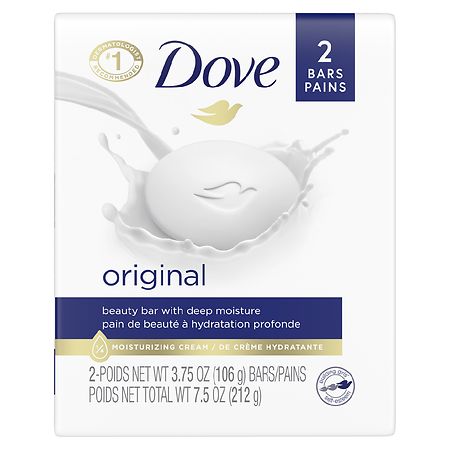
Dove Beauty Bar Women s Bath Soap Original 3.75 oz 2 Bars

63 Fair
$12.97 · 8 count · 3.75 oz
View on Amazon
Verified Amazon match

Summary

This product contains synthetic ingredients such as sodium lauroyl isethionate and synthetic fragrance, which can be potential skin irritants. The presence of tetrasodium EDTA and tetrasodium etidronate, while common in cosmetics, are not natural and contribute to its processed nature. Despite these concerns, the absence of heavily penalized ingredients like parabens or formaldehyde releasers helps maintain a moderate score.

At a glance

Beneficial ingredients 0
Harmful ingredients 0
Category Body Lotion

Key ingredients 11

Sodium Lauroyl Isethionate

Sodium Lauroyl Isethionate is a mild surfactant used to create lather and cleanse the skin. It is derived from coconut oil and is considered less irritating than traditional sulfates. It helps to remove dirt and oil without stripping the skin's natural moisture.

Risks

There is a low risk of skin irritation, especially for sensitive skin types.

Benefits

It provides a gentle cleansing action that is suitable for most skin types.

See more about Sodium Lauroyl Isethionate →
Stearic Acid

Stearic Acid is a fatty acid used as an emulsifier and thickener in cosmetics. It helps to stabilize formulations and improve texture. It is naturally found in animal and plant fats.

Risks

There are minimal risks associated with Stearic Acid, though it can cause mild irritation in some individuals.

Benefits

It helps to maintain the skin's barrier function and provides a creamy texture to products.

See more about Stearic Acid →
Lauric Acid

Lauric Acid is a saturated fatty acid that is used for its cleansing and foaming properties. It is derived from coconut oil and palm kernel oil. It is known for its antimicrobial properties.

Risks

Lauric Acid can cause irritation in sensitive skin types if used in high concentrations.

Benefits

It has antimicrobial properties that can help to reduce acne-causing bacteria on the skin.

Sodium Oleate

Sodium Oleate is a fatty acid salt used as a surfactant and emulsifier. It helps to cleanse the skin by breaking down oils and dirt. It is derived from oleic acid, which is found in various animal and vegetable fats.

Risks

It may cause mild irritation in sensitive skin types.

Benefits

It aids in the emulsification process, helping to blend water and oil components in formulations.

Water

Water is used as a solvent in cosmetic formulations. It helps to dissolve other ingredients and provides a base for the product. It is essential for hydration and maintaining the product's consistency.

Risks

There are no significant risks associated with water in cosmetic formulations.

Benefits

It hydrates the skin and helps to deliver other active ingredients effectively.

See more about Water →
Sodium Isethionate

Sodium Isethionate is a surfactant used for its mild cleansing properties. It is often used in syndet bars to provide a gentle lather. It is less irritating than traditional soap ingredients.

Risks

There is a low risk of irritation, particularly for sensitive skin types.

Benefits

It provides a gentle cleansing action suitable for sensitive skin.

Sodium Stearate

Sodium Stearate is a fatty acid salt used as a surfactant and thickener. It helps to stabilize formulations and create a solid structure in bar soaps. It is derived from stearic acid.

Risks

It may cause mild irritation in some individuals.

Benefits

It helps to create a firm texture in bar soaps and stabilizes emulsions.

See more about Sodium Stearate →
Cocamidopropyl Betaine

Cocamidopropyl Betaine is a surfactant derived from coconut oil. It is used to enhance the foaming properties of cleansers and is considered mild. It helps to reduce irritation caused by other surfactants.

Risks

There is a potential for skin irritation or allergic reactions in sensitive individuals.

Benefits

It provides mild cleansing and foaming properties, making it suitable for sensitive skin.

See more about Cocamidopropyl Betaine →
Fragrance

Fragrance is used to impart a pleasant scent to cosmetic products. It is a mixture of aromatic compounds that can enhance the user experience. However, it is a common cause of allergic reactions and skin irritation.

Risks

Fragrance can cause skin irritation and allergic reactions, especially in sensitive individuals.

Benefits

It provides a pleasant scent that can enhance the sensory experience of using the product.

See more about Fragrance →
Tetrasodium Etidronate

Tetrasodium Etidronate is a chelating agent used to bind metal ions in formulations. It helps to improve the stability and shelf life of products. It is often used in soaps to prevent the formation of soap scum.

Risks

There is a low risk of skin irritation with this ingredient.

Benefits

It helps to stabilize formulations and prevent the degradation of active ingredients.

Tetrasodium EDTA

Tetrasodium EDTA is a chelating agent that binds metal ions to improve product stability. It is used to enhance the efficacy of preservatives and prevent the degradation of formulations. It is commonly used in personal care products.

Risks

There is a potential for skin irritation, particularly in sensitive individuals.

Benefits

It helps to stabilize formulations and enhance the effectiveness of preservatives.

See more about Tetrasodium EDTA →

Processing

Group 3 · Processed

Processed Foods

Get the full breakdown in the Scout app

Scan any product to see lab results, healthy alternatives, and your personalized analysis.

Download on theApp Store