
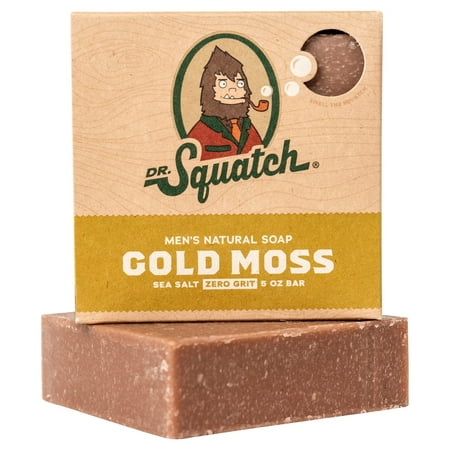


Dr. Squatch All Natural Bar Soap for Men with Zero Grit Gold Moss
Analysis updated August 2026 · How Scout scores
At a glance
Summary
This soap contains beneficial ingredients like saponified oils of olive, coconut, and shea butter, which are known for their moisturizing and nourishing properties. However, the presence of multiple fragrance components such as coumarin, linalool, and hexyl cinnamal, which are known allergens, raises concerns about potential skin irritation. The inclusion of 'natural fragrance' without full disclosure also contributes to a lower score due to the risk of unknown allergens.
Key ingredients 16
Saponified Oils of OliveVery Good
Olive oil is a natural emollient that helps to moisturize and nourish the skin. It is rich in antioxidants and healthy fats, which can help protect the skin from environmental damage.
Risks
There are minimal risks associated with olive oil, though some individuals may experience mild irritation.
Benefits
Olive oil is beneficial for its moisturizing properties and its ability to improve skin barrier function.
CoconutVery Good
Coconut oil is a natural moisturizer that helps to hydrate and soften the skin. It has antimicrobial properties that can help protect the skin from harmful bacteria.
Risks
Some individuals may experience allergic reactions or breakouts from coconut oil.
Benefits
Coconut oil is beneficial for its moisturizing and antimicrobial properties, making it a popular choice in skincare.
Shea ButterVery Good
Shea butter is a rich natural butter known for its deep moisturizing and anti-inflammatory properties. It is high in vitamins A and E, which are beneficial for skin health.
Risks
Shea butter is generally safe, but in rare cases, it may cause allergic reactions.
Benefits
Shea butter is excellent for moisturizing and soothing dry or irritated skin.
Sea SaltGood
Beneficial ingredient — whole-food or functional value in this product class.
Risks
Excessive use of sea salt can be drying to the skin.
Benefits
Sea salt can help exfoliate the skin and provide minerals that support skin health.
Kaolin ClayGood
Kaolin clay is a gentle clay that helps to cleanse and exfoliate the skin without stripping it of natural oils. It is suitable for sensitive skin types.
Risks
Kaolin clay is generally safe, but overuse can lead to dryness.
Benefits
Kaolin clay is beneficial for its gentle cleansing and exfoliating properties.
Sustainable Palm OilNeutral
Sustainable palm oil is used for its ability to create a hard bar of soap and provide a creamy lather. It is considered more environmentally friendly than non-sustainable palm oil.
Risks
The main concern with palm oil is environmental, as its production can lead to deforestation if not sustainably sourced.
Benefits
When sustainably sourced, palm oil can be a stable and effective ingredient in soap formulations.
LyeNeutral
Lye is a necessary ingredient in the soap-making process, used to saponify oils into soap. It is not present in the final product as it is fully reacted.
Risks
Lye is caustic in its raw form, but it is safe in the final soap product.
Benefits
Lye is essential for the saponification process, transforming oils into soap.
Iron OxideNeutral
Iron oxide is a natural pigment used to color cosmetics and personal care products. It is considered safe for use in cosmetics.
Risks
There are minimal risks associated with iron oxide, though it should be used in regulated amounts.
Benefits
Iron oxide provides natural coloring without synthetic dyes.
CI 77491Neutral
CI 77491 is a red iron oxide pigment used for coloring cosmetics. It is considered safe for use in personal care products.
Risks
There are minimal risks associated with CI 77491 when used in regulated amounts.
Benefits
CI 77491 provides natural coloring without synthetic dyes.
AquaNeutral
Aqua, or water, is a common solvent used in cosmetics to dissolve other ingredients. It is essential for the formulation of many products.
Risks
There are no significant risks associated with water in cosmetics.
Benefits
Water is crucial for dissolving ingredients and providing hydration.
Sodium ChlorideNeutral
Sodium chloride, or salt, is used in cosmetics to thicken formulations and enhance cleansing properties. It is generally safe for use in personal care products.
Risks
Excessive use of sodium chloride can be drying to the skin.
Benefits
Sodium chloride helps to thicken products and improve cleansing efficacy.
Natural FragranceBad
Natural fragrance can include a variety of compounds that may cause allergic reactions or skin irritation in sensitive individuals. It is often not fully disclosed, leading to potential unknown risks.
Risks
Fragrances can be allergens and irritants, especially for sensitive skin.
Benefits
Natural fragrances can provide a pleasant scent without synthetic chemicals.
CoumarinBad
Coumarin is a fragrance ingredient that can cause allergic reactions and skin irritation. It is a known allergen and is regulated in cosmetic products.
Risks
Coumarin can cause allergic reactions and is a potential skin irritant.
Benefits
Coumarin provides a sweet, pleasant scent to products.
LinaloolBad
Linalool is a fragrance component that can cause allergic reactions and skin irritation in some individuals. It is a common allergen in personal care products.
Risks
Linalool can cause allergic reactions and is a potential skin irritant.
Benefits
Linalool provides a floral scent to products.
Hexyl CinnamalBad
Hexyl cinnamal is a fragrance ingredient that can cause allergic reactions and skin irritation. It is a known allergen and is regulated in cosmetic products.
Risks
Hexyl cinnamal is a potential allergen and skin irritant.
Benefits
Hexyl cinnamal provides a jasmine-like scent to products.
Amyl CinnamalBad
Amyl cinnamal is a fragrance ingredient that can cause allergic reactions and skin irritation. It is a known allergen and is regulated in cosmetic products.
Risks
Amyl cinnamal is a potential allergen and skin irritant.
Benefits
Amyl cinnamal provides a floral scent to products.
Processing
Processed Foods
Get the full breakdown in the Scout appTake Scout shopping
Scan any product to see lab results, healthy alternatives, and your personalized analysis.
Download on theApp Store GET IT ONGoogle PlayAmazon pricing & content
Amazon price as of . Product prices and availability are accurate as of the date/time indicated and are subject to change. Any price and availability information displayed on Amazon.com at the time of purchase will apply to the purchase of this product.
CERTAIN CONTENT THAT APPEARS ON THIS SITE COMES FROM AMAZON. THIS CONTENT IS PROVIDED “AS IS” AND IS SUBJECT TO CHANGE OR REMOVAL AT ANY TIME.