
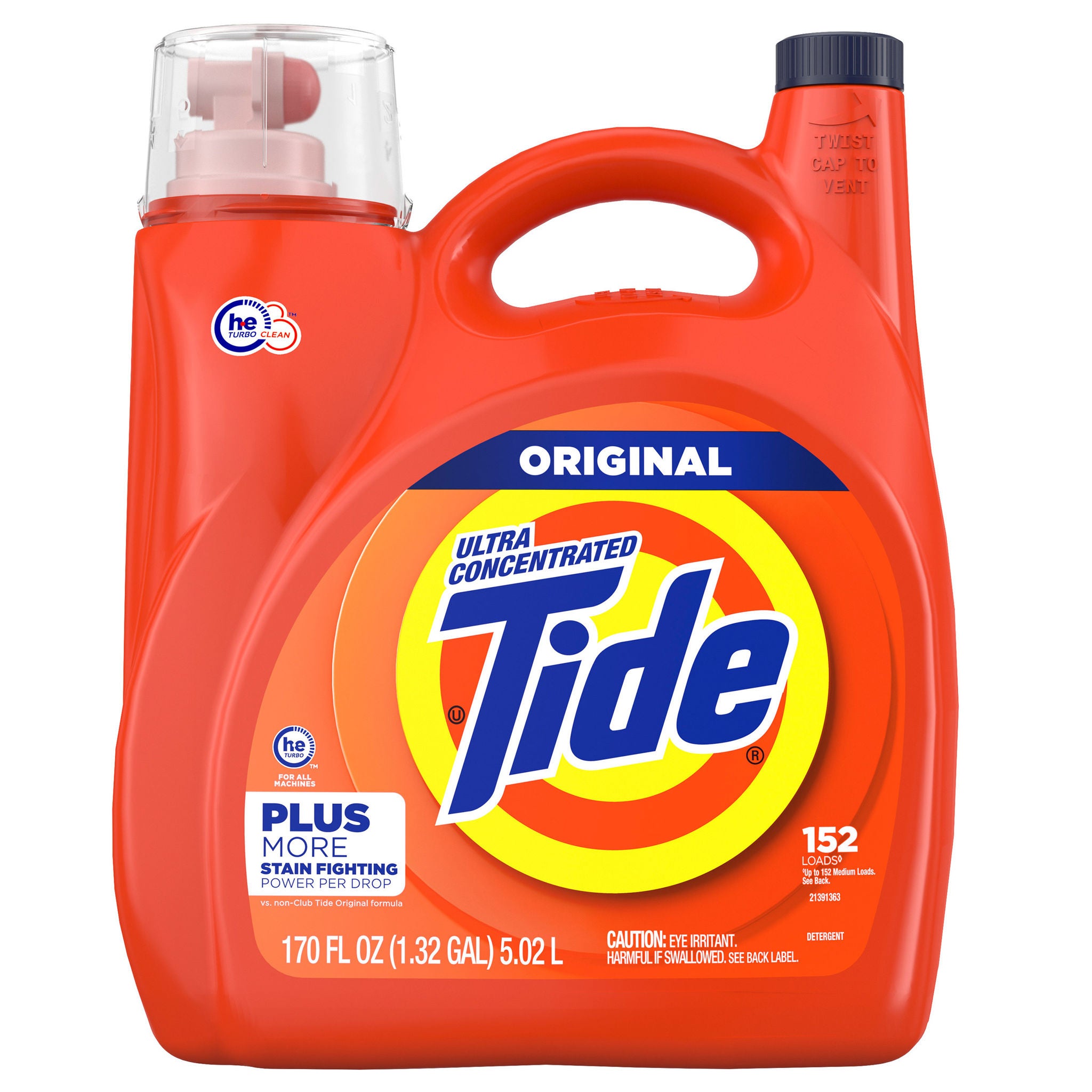
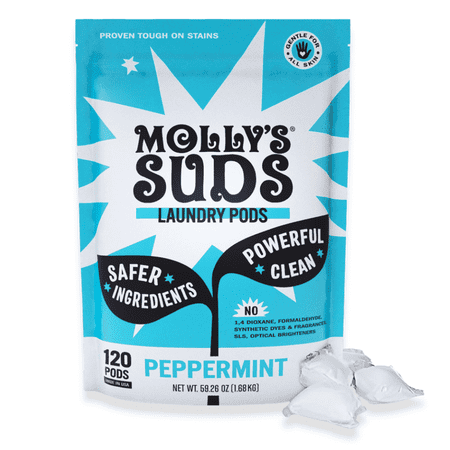
Laundry Detergent, Ultra, 300 fl oz (2.34 gal) 8.87 lt
Summary
This laundry detergent contains sodium carbonate and nonionic detergents, which are effective cleaning agents but contribute to its high processing level. The presence of sodium silicate is common in detergents for its water-softening properties, but it does not enhance the environmental profile. The product lacks harmful surfactants like SLS or SLES, which is a positive aspect, but the overall formulation is still heavily processed, limiting its score.
At a glance
Key ingredients 4
sodium carbonate
Sodium carbonate is a common ingredient in cleaning products, used for its ability to soften water and enhance the effectiveness of detergents. It is a naturally occurring substance that can also help to remove stains. It is generally considered safe for use in cleaning products.
Risks
Sodium carbonate can cause skin and eye irritation upon contact.
Benefits
It is effective in removing grease and stains, making it a valuable component in laundry detergents.
nonionic detergents
Nonionic detergents are surfactants that do not carry a charge, making them effective in breaking down oils and grease. They are commonly used in cleaning products due to their ability to work well in hard water. These detergents are generally less irritating than ionic detergents.
Risks
Some nonionic detergents can cause mild skin irritation with prolonged exposure.
Benefits
They are effective in cleaning without leaving residues, and they work well in a variety of water conditions.
sodium silicate
Sodium silicate is used in detergents as a corrosion inhibitor and to maintain the alkalinity of the solution. It helps to prevent the deposition of minerals on fabrics during washing. It is a versatile ingredient that also aids in the cleaning process.
Risks
Sodium silicate can cause skin and eye irritation if not handled properly.
Benefits
It helps to protect washing machines from corrosion and enhances the cleaning power of detergents.
soil
Soil is an unusual ingredient in cleaning products and may refer to a component used for testing or as a filler. It is not typically active in cleaning processes. Its presence in the ingredient list is uncommon and may require further clarification.
Risks
There are no significant risks associated with soil in cleaning products, though it may indicate contamination or an error in labeling.
Benefits
There are no direct benefits of soil in cleaning products; it may serve as a neutral filler.
Processing
Ultra-Processed Foods
Get the full breakdown in the Scout app
Scan any product to see lab results, healthy alternatives, and your personalized analysis.
Download on theApp Store