
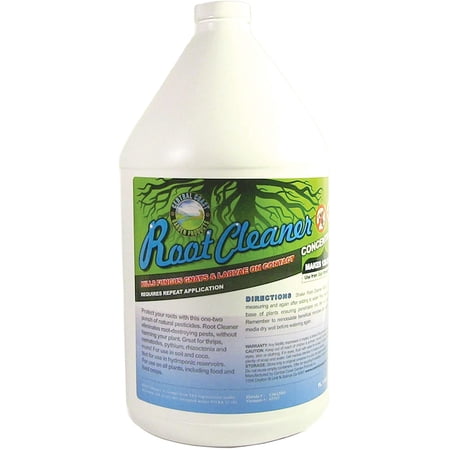


Root Cleaner - Soil Gnat Fungus and Pathogen Killer (128 Ounce/1 Gallon)
Analysis updated July 2026 · How Scout scores
At a glance
Summary
This cleaning product contains a mix of plant-based and synthetic ingredients. While it avoids harsh surfactants like SLS and SLES, it includes some synthetic components that may impact indoor air quality and environmental safety. The presence of plant-derived surfactants and biodegradable elements contributes positively to its overall safety profile.
Key ingredients 6
Soybean OilGood
Soybean Oil is a plant-derived oil that can be used as a natural solvent or emollient in cleaning products. It is biodegradable and considered environmentally friendly. Its use in cleaning products is generally safe and non-toxic.
Risks
There are minimal risks associated with soybean oil, though it may cause allergic reactions in sensitive individuals.
Benefits
It is biodegradable and can help in breaking down grease and grime naturally.
WaterNeutral
Water is a universal solvent and is used as a base in many cleaning products. It helps to dissolve other ingredients and facilitates the cleaning process. It is safe and non-toxic.
Risks
There are no significant risks associated with water in cleaning products.
Benefits
It acts as a carrier for other ingredients and helps in the dilution and application of the product.
Isopropyl AlcoholNeutral
Isopropyl Alcohol is a common disinfectant and solvent used in cleaning products. It is effective at killing bacteria and viruses on surfaces. While it is a potent cleaner, it must be used with caution due to its flammability.
Risks
It is flammable and can cause irritation if inhaled or if it comes into contact with skin.
Benefits
It is effective at disinfecting surfaces and evaporates quickly, leaving no residue.
Sodium CitrateNeutral
Standard formulation ingredient — neither beneficial nor harmful at typical use.
Risks
There are minimal risks associated with sodium citrate, though excessive exposure may cause mild irritation.
Benefits
It helps to stabilize the pH of the product and can improve the effectiveness of other cleaning agents.
Citric AcidNeutral
Common acidulant and preservative — safe at typical use levels, neither beneficial nor harmful.
Risks
It may cause mild irritation if it comes into contact with skin or eyes.
Benefits
It is effective at removing limescale and other mineral deposits, making it a valuable ingredient in cleaning products.
Sodium Lauryl SulfateVery Bad
Sodium Lauryl Sulfate is a harsh surfactant known for its strong cleaning properties. It is a common irritant and can cause skin irritation upon contact. Despite being effective in cleaning, it is not suitable for sensitive applications.
Risks
It poses a risk of skin irritation and can be harmful if ingested or inhaled.
Benefits
It is effective at breaking down oils and dirt, making it a powerful cleaning agent.
Get the full breakdown in the Scout appTake Scout shopping
Scan any product to see lab results, healthy alternatives, and your personalized analysis.
Download on theApp Store GET IT ONGoogle Play