



At a glance
Summary
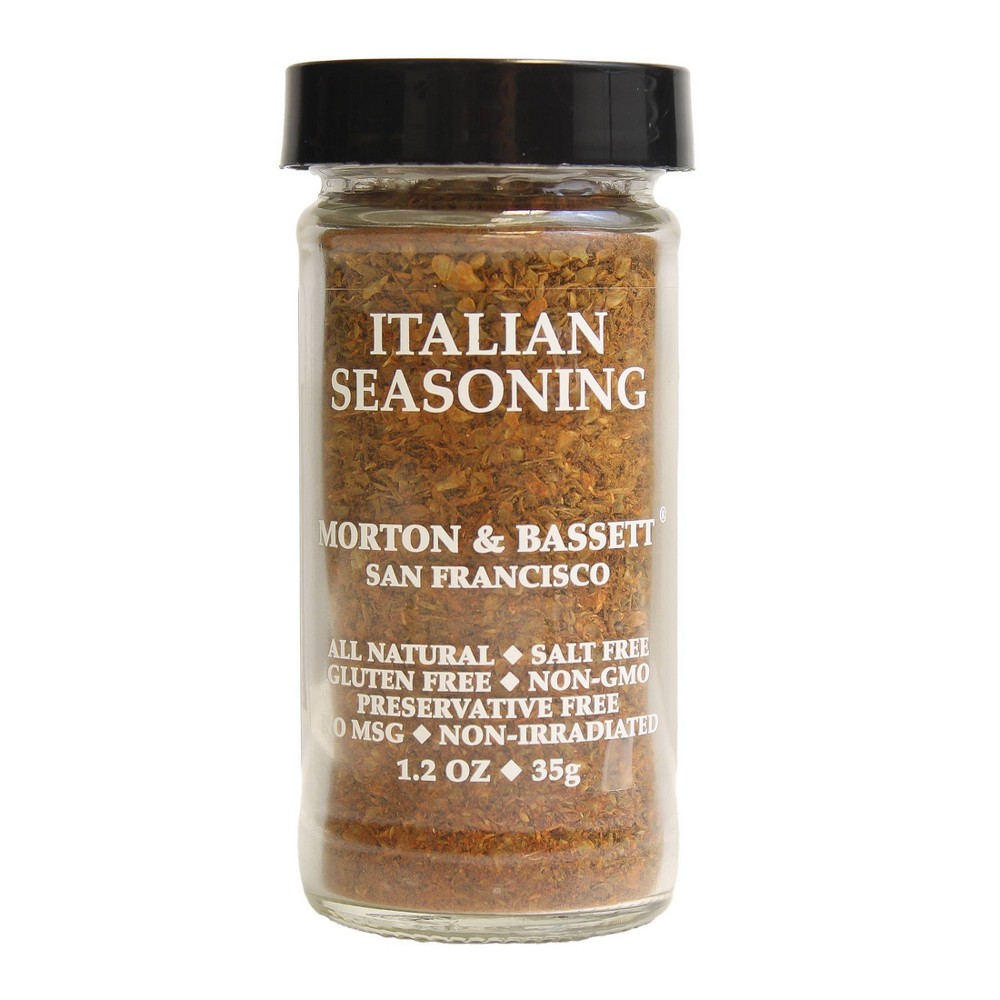
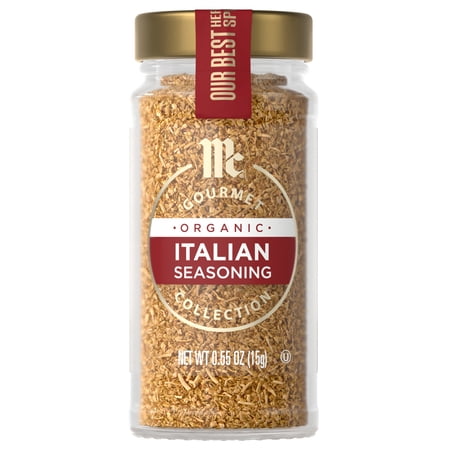
This Italian seasoning is composed entirely of herbs and spices, which are minimally processed and retain their natural nutrients. The ingredients such as garlic, oregano, and basil are known for their antioxidant and health-promoting properties. The product's clean label and lack of additives contribute to its high rating, reflecting its status as a minimally processed, healthful option.
Key ingredients 10
OreganoVery Good
Oregano is a potent herb with strong antioxidant and antimicrobial properties. It contains compounds like carvacrol and thymol that may support immune health. Oregano is used in its dried form, preserving its beneficial compounds.
Benefits
Supports immune health and has antimicrobial properties. Rich in antioxidants that protect against oxidative stress.
BasilGood
Basil is a fragrant herb known for its antioxidant properties. It contains essential oils that may have anti-inflammatory effects. Basil is minimally processed and retains its natural nutrients.
Benefits
Rich in antioxidants and may support immune health. Contains essential oils that can provide anti-inflammatory benefits.
CorianderGood
Coriander is a spice with potential digestive health benefits. It is known for its ability to aid in digestion and may help reduce bloating. Coriander is used in its natural form, preserving its beneficial compounds.
Benefits
May aid digestion and reduce bloating. Contains antioxidants that support overall health.
GarlicGood
Garlic is renowned for its cardiovascular benefits and immune-boosting properties. It contains allicin, which has been shown to reduce blood pressure and cholesterol levels. Garlic is a natural ingredient with minimal processing.
Risks
Excessive consumption may cause digestive discomfort in some individuals.
Benefits
Supports heart health and boosts the immune system. Contains allicin, which has antimicrobial and antioxidant properties.
PaprikaGood
Paprika is a spice rich in vitamins and antioxidants, particularly vitamin A. It adds flavor and color to dishes while providing health benefits. Paprika is made from dried peppers and retains its nutritional value.
Benefits
Rich in vitamin A and antioxidants. Enhances flavor and color in dishes while providing nutritional benefits.
OnionGood
Onion is a versatile vegetable known for its potential heart health benefits. It contains quercetin, an antioxidant that may reduce inflammation and lower blood pressure. Onions are minimally processed and retain their natural nutrients.
Risks
May cause digestive discomfort in some individuals when consumed in large amounts.
Benefits
Supports heart health and may reduce inflammation. Contains quercetin, which has antioxidant properties.
SageGood
Sage is an herb with potential cognitive and digestive benefits. It contains compounds that may enhance memory and improve digestion. Sage is used in its natural form, preserving its beneficial properties.
Benefits
May enhance memory and improve digestion. Contains compounds with antioxidant and anti-inflammatory properties.
ParsleyGood
Parsley is a nutrient-rich herb that supports bone health and digestion. It is high in vitamin K, which is essential for bone health. Parsley is minimally processed and retains its natural nutrients.
Benefits
Supports bone health and aids digestion. High in vitamin K and antioxidants.
ThymeGood
Thyme is an herb with strong antimicrobial and antioxidant properties. It contains thymol, which may support respiratory health and reduce inflammation. Thyme is used in its dried form, preserving its beneficial compounds.
Benefits
Supports respiratory health and has antimicrobial properties. Rich in antioxidants that protect against oxidative stress.
Black PepperGood
Black pepper is a spice that enhances nutrient absorption and has antioxidant properties. It contains piperine, which may improve the bioavailability of other nutrients. Black pepper is minimally processed and retains its natural benefits.
Benefits
Enhances nutrient absorption and has antioxidant properties. Contains piperine, which may improve the bioavailability of other nutrients.
Processing
Unprocessed or Minimally Processed Foods
Get the full breakdown in the Scout appTake Scout shopping
Scan any product to see lab results, healthy alternatives, and your personalized analysis.
Download on theApp Store GET IT ONGoogle Play