
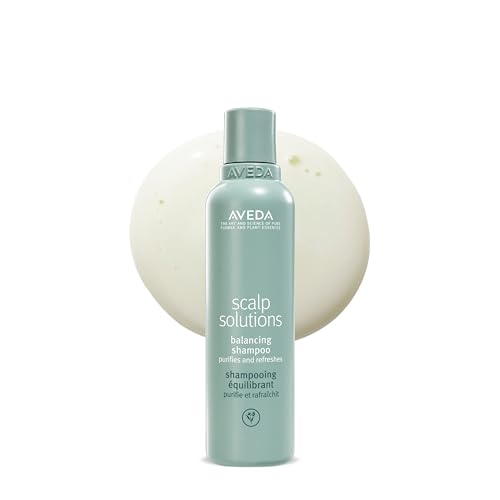


Scalp Benefits Balancing Shampoo By - 8.5 Oz Shampoo
Analysis updated August 2026 · How Scout scores
At a glance
Summary
This shampoo contains beneficial natural extracts like sea buckthorn and burdock root, which support scalp health. However, it also includes sodium chloride, which can cause dryness, and silicone derivatives that may lead to buildup on hair. The presence of synthetic fragrance and preservatives like methylchloroisothiazolinone, known for potential irritation, further impacts its overall safety profile.
Key ingredients 25
Hippophae Rhamnoides ExtractVery Good
Hippophae Rhamnoides, or sea buckthorn, is rich in vitamins and antioxidants, which can nourish and protect the scalp. It is known for its anti-inflammatory properties, which can soothe irritated skin. This makes it beneficial for maintaining a healthy scalp.
Risks
There are minimal risks associated with this natural extract, though allergic reactions are possible.
Benefits
It provides nourishment and protection to the scalp, promoting overall scalp health.
Sodium Cocoyl IsethionateVery Good
Sodium Cocoyl Isethionate is a gentle surfactant derived from coconut oil, known for its mild cleansing properties. It helps to cleanse the hair without causing dryness or irritation. This makes it an excellent choice for sensitive scalps.
Risks
Generally considered safe with minimal risk of irritation.
Benefits
Provides mild cleansing, suitable for sensitive scalps.
Echinacea Purpurea (Coneflower) ExtractGood
Echinacea is known for its immune-boosting properties and can help soothe and protect the scalp. It may reduce inflammation and irritation, contributing to a healthier scalp environment. This makes it a beneficial addition to hair care products.
Risks
Potential allergic reactions in sensitive individuals.
Benefits
Helps soothe and protect the scalp, reducing inflammation and irritation.
Arctium Lappa (Burdock) Root ExtractGood
Burdock root extract is known for its ability to improve scalp health and promote hair growth. It contains antioxidants that can help detoxify the scalp and reduce dandruff. This makes it a beneficial ingredient for maintaining healthy hair.
Risks
Allergic reactions are possible, though rare.
Benefits
Promotes scalp health and hair growth, and helps reduce dandruff.
Salvia Officinalis (Sage) Leaf ExtractGood
Sage leaf extract has antimicrobial properties that can help maintain a healthy scalp. It is also known for its ability to strengthen hair and reduce hair loss. This makes it a valuable ingredient in hair care formulations.
Risks
May cause irritation in sensitive individuals.
Benefits
Strengthens hair and reduces hair loss while maintaining scalp health.
Sodium Methyl Cocoyl TaurateGood
Sodium Methyl Cocoyl Taurate is a mild surfactant that provides gentle cleansing and foaming properties. It is derived from coconut oil and is known for being non-irritating. This makes it suitable for sensitive skin and scalp.
Risks
Low risk of irritation or allergic reaction.
Benefits
Offers gentle cleansing and is suitable for sensitive skin.
Aqueous (Water\Aqua\Eau) Extracts\Extraits AqueuxNeutral
Water is the primary solvent in most shampoos, providing a base for other ingredients. It helps to dissolve and distribute active ingredients throughout the hair. It does not have any direct benefits or risks.
Risks
There are no inherent risks associated with water in cosmetic formulations.
Benefits
Water acts as a carrier for other beneficial ingredients in the formula.
Babassuamidopropyl BetaineNeutral
Babassuamidopropyl Betaine is a mild surfactant derived from babassu oil, used for its cleansing properties. It helps to remove dirt and oil from the hair without stripping natural oils. It is generally considered safe and non-irritating.
Risks
Minimal risk of irritation or allergic reaction.
Benefits
Provides gentle cleansing without stripping natural oils.
Sodium ChlorideNeutral
Standard formulation ingredient — neither beneficial nor harmful at typical use.
Risks
Can cause dryness and irritation to the scalp.
Benefits
Acts as a thickener, improving product texture.
Disodium Laureth SulfosuccinateNeutral
Disodium Laureth Sulfosuccinate is a mild surfactant used for its cleansing properties. It is less irritating than traditional sulfates but still effective at removing dirt and oil. It is generally considered safe for use in hair care products.
Risks
Minimal risk of irritation compared to harsher sulfates.
Benefits
Provides effective cleansing with reduced irritation potential.
Narcissus Tazetta Bulb ExtractNeutral
Narcissus Tazetta Bulb Extract is used for its potential soothing and conditioning properties. It may help to calm the scalp and improve hair texture. However, its effects are not well-documented.
Risks
Limited information on potential risks or side effects.
Benefits
May provide soothing and conditioning benefits to the scalp.
Benzyl BenzoateNeutral
Benzyl Benzoate is used as a fragrance ingredient and solvent. It is generally considered safe but can cause irritation in some people. It is primarily used for its aromatic properties.
Risks
May cause irritation or allergic reactions.
Benefits
Acts as a fragrance and solvent in the formulation.
Polysorbate 20Neutral
Polysorbate 20 is an emulsifier used to stabilize formulations and improve texture. It is generally considered safe and non-irritating. It helps to blend oil and water-based ingredients effectively.
Risks
Minimal risk of irritation or allergic reaction.
Benefits
Stabilizes formulations and improves texture.
Isostearamidopropyl Morpholine LactateNeutral
Isostearamidopropyl Morpholine Lactate is used as a conditioning agent in hair care products. It helps to improve hair texture and manageability. It is generally considered safe for use in cosmetics.
Risks
Low risk of irritation or allergic reaction.
Benefits
Improves hair texture and manageability.
Citric AcidNeutral
Citric acid is used to adjust the pH of cosmetic formulations. It helps to maintain the stability and effectiveness of the product. It is generally considered safe and non-irritating.
Risks
May cause irritation in sensitive individuals.
Benefits
Helps maintain product stability and effectiveness.
PEG-12 DimethiconeBad
PEG-12 Dimethicone is a silicone-based compound used for its conditioning properties. It can cause buildup on the hair, leading to dullness and brittleness over time. This makes it a less favorable ingredient in hair care products.
Risks
Can cause buildup, leading to dull and brittle hair.
Benefits
Provides temporary smoothness and shine to hair.
Dimethicone PEG-8 MeadowfoamateBad
Dimethicone PEG-8 Meadowfoamate is a silicone derivative used for its conditioning effects. It can lead to buildup on the hair, which may cause dullness and brittleness. This makes it a less desirable ingredient for long-term hair health.
Risks
Potential for buildup, causing dull and brittle hair.
Benefits
Offers temporary conditioning and smoothness.
CitralBad
Processed additive flagged under Scout's ingredient doctrine.
Risks
May cause irritation in sensitive individuals.
Benefits
Adds a lemon-like scent to the product.
LinaloolBad
Processed additive flagged under Scout's ingredient doctrine.
Risks
Potential for allergic reactions in sensitive individuals.
Benefits
Provides a pleasant floral scent.
EugenolBad
Processed additive flagged under Scout's ingredient doctrine.
Risks
Potential for allergic reactions in sensitive individuals.
Benefits
Provides a spicy, clove-like scent.
LimoneneBad
Processed additive flagged under Scout's ingredient doctrine.
Risks
May cause skin irritation upon oxidation.
Benefits
Adds a citrus scent to the product.
Potassium SorbateBad
Synthetic preservative — flagged in daily-use products.
Risks
May cause irritation in sensitive individuals.
Benefits
Prevents microbial growth, extending product shelf life.
MethylchloroisothiazolinoneBad
Methylchloroisothiazolinone is a preservative known for its effectiveness against bacteria and fungi. However, it is a known skin irritant and allergen, leading to concerns about its safety in leave-on products. It is less suitable for sensitive skin.
Risks
Can cause skin irritation and allergic reactions.
Benefits
Effective preservative against bacteria and fungi.
Fragrance (Parfum)Very Bad
Fragrance is often a mixture of various chemicals that can cause irritation and allergic reactions. It is not always disclosed what specific chemicals are used, leading to concerns about safety. This makes it a potentially harmful ingredient in personal care products.
Risks
Can cause irritation and allergic reactions.
Benefits
Provides a pleasant scent to the product.
MethylisothiazolinoneVery Bad
Methylisothiazolinone is a preservative used to prevent microbial growth. It is associated with skin sensitization and allergic reactions, especially in leave-on products. Its use is restricted in many regions due to these concerns.
Risks
Known to cause skin sensitization and allergic reactions.
Benefits
Prevents microbial growth, ensuring product safety.
Get the full breakdown in the Scout appTake Scout shopping
Scan any product to see lab results, healthy alternatives, and your personalized analysis.
Download on theApp Store GET IT ONGoogle PlayAmazon pricing & content
Amazon price as of . Product prices and availability are accurate as of the date/time indicated and are subject to change. Any price and availability information displayed on Amazon.com at the time of purchase will apply to the purchase of this product.
CERTAIN CONTENT THAT APPEARS ON THIS SITE COMES FROM AMAZON. THIS CONTENT IS PROVIDED “AS IS” AND IS SUBJECT TO CHANGE OR REMOVAL AT ANY TIME.