


At a glance
Summary
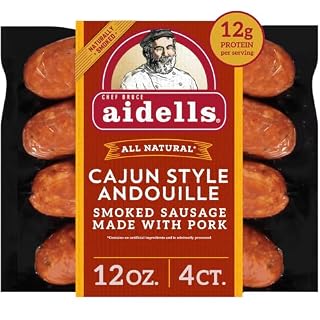
This product contains high-quality ingredients like pork and cheddar cheese, which are beneficial sources of protein and nutrients. However, it is a processed food with a relatively high sodium content, which can be a concern for cardiovascular health. The processing level and presence of pasteurized process cheese contribute to a moderate score, as these factors typically involve additives and reduce the overall nutritional quality compared to whole foods.
Key ingredients 10
PorkGood
Pork is a high-quality source of protein and essential nutrients. It provides a rich amino acid profile necessary for muscle growth and repair. When sourced from well-raised animals, it can be a nutritious part of a balanced diet.
Risks
Excessive consumption of processed pork products may increase the risk of certain health issues due to high sodium content.
Benefits
Rich in protein and essential vitamins such as B12, which supports energy metabolism and neurological function.
Cheddar CheeseGood
Cheddar cheese is a natural dairy product rich in calcium and protein. It is made through a fermentation process that enhances its flavor and nutritional profile. High-quality cheddar can be a good source of essential nutrients.
Risks
High in saturated fats, which should be consumed in moderation to maintain heart health.
Benefits
Rich in calcium and protein, supporting bone health and muscle function.
MilkGood
Whole dairy ingredient.
Risks
Potential allergen for lactose-intolerant individuals or those with milk allergies.
Benefits
Provides essential nutrients like calcium and vitamin D, supporting bone health.
Cheese CultureGood
Beneficial ingredient — whole-food or functional value in this product class.
Benefits
Essential for the fermentation process, contributing to the flavor and texture of cheese.
CreamGood
Traditional whole-fat dairy ingredient.
Risks
High in saturated fats, which should be consumed in moderation to avoid cardiovascular risks.
Benefits
Adds richness and flavor, providing fat-soluble vitamins like A and D.
Reduced Sodium Pasteurized Process Cheddar CheeseNeutral
This cheese is a processed dairy product with reduced sodium content. It provides calcium and protein but may contain additives used in processing. The pasteurization process ensures safety by eliminating harmful bacteria.
Risks
Contains additives and may have lower nutritional value compared to natural cheese.
Benefits
Provides calcium and protein, which are beneficial for bone health and muscle maintenance.
SaltNeutral
Salt is used as a seasoning and preservative in food products. It enhances flavor and helps in preserving the product by inhibiting bacterial growth. However, excessive intake can lead to health issues such as hypertension.
Risks
High sodium intake is associated with increased risk of hypertension and cardiovascular diseases.
Benefits
Enhances flavor and acts as a preservative by inhibiting bacterial growth.
EnzymesNeutral
Enzymes are used in cheese production to aid in the coagulation of milk. They are essential for developing the texture and flavor of cheese. Typically derived from natural sources, they are safe for consumption.
Benefits
Facilitates the cheese-making process by aiding in milk coagulation.
WaterNeutral
Water is used as a solvent and to adjust the consistency of food products. It is a neutral ingredient with no direct nutritional impact. Its presence is essential for maintaining the desired texture and moisture content.
Benefits
Essential for maintaining moisture and consistency in food products.
Lemon JuiceNeutral
Lemon juice is a natural source of vitamin C and is used for flavoring and preservation. It provides a tangy taste and can help in preserving food by lowering pH. While beneficial for flavor, it is used in small quantities with minimal nutritional impact.
Benefits
Provides vitamin C and enhances flavor with its tangy taste.
Processing
Processed Foods
Get the full breakdown in the Scout appTake Scout shopping
Scan any product to see lab results, healthy alternatives, and your personalized analysis.
Download on theApp Store GET IT ONGoogle Play