
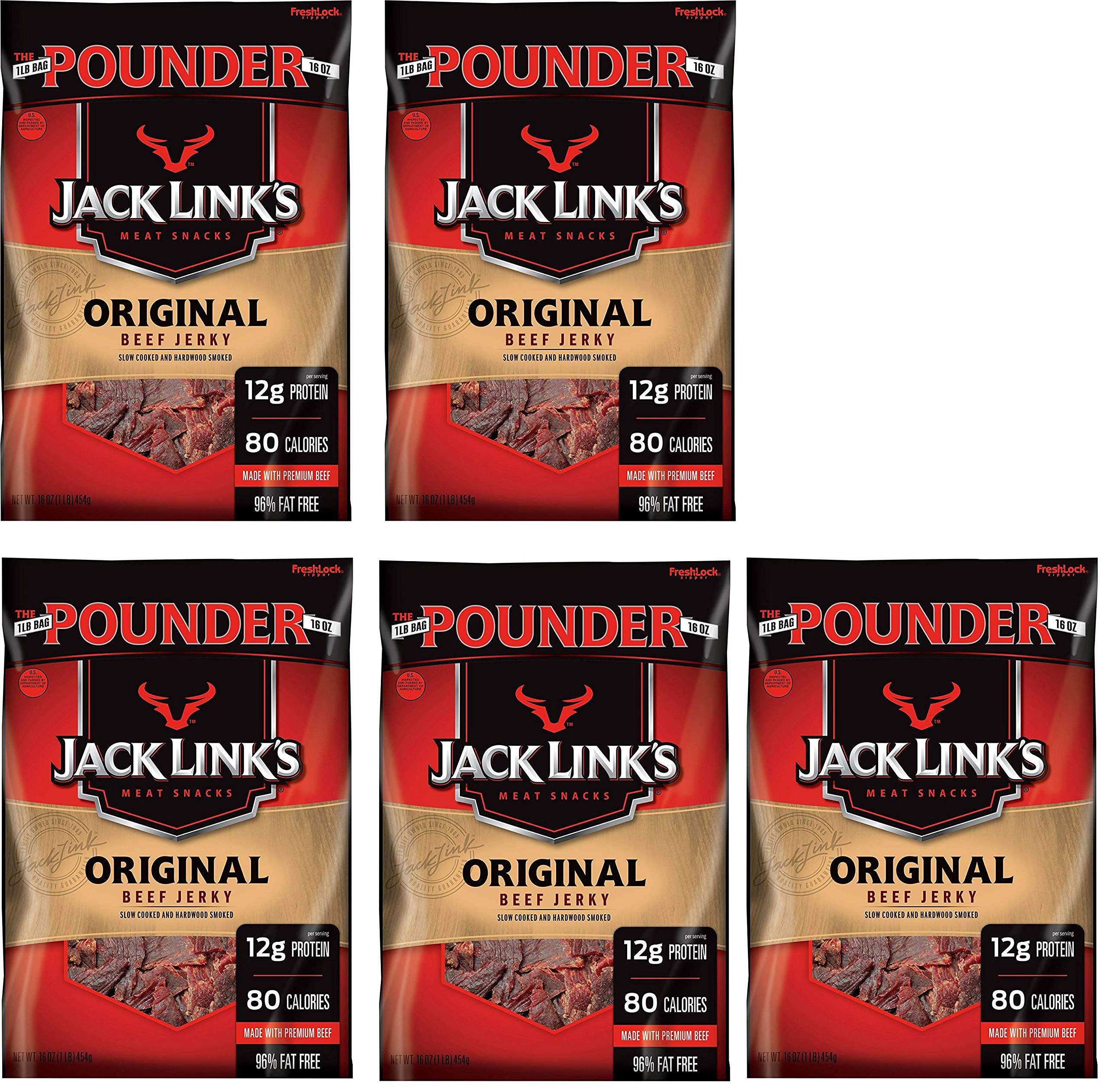


At a glance
Summary
This beef jerky contains beneficial ingredients like beef and sea salt, which provide protein and essential minerals. However, the presence of brown sugar contributes to a high sugar content, which can lead to blood sugar spikes and weight gain. The product is moderately processed, which limits its score despite the relatively clean ingredient list.
Key ingredients 8
BeefGood
Beef is a high-quality source of protein, providing essential amino acids necessary for muscle repair and growth. It is rich in vitamins and minerals such as iron and B12, which are crucial for energy production and red blood cell formation. Grass-fed beef would be preferable for higher omega-3 content, but no specific quality indicators are provided here.
Risks
Excessive consumption of red meat has been linked to increased risk of certain chronic diseases.
Benefits
Provides a complete protein source with essential nutrients like iron and vitamin B12, supporting overall health and vitality.
Sea SaltGood
Sea salt is a minimally processed source of sodium and trace minerals. It is often preferred over refined table salt due to its natural mineral content. While it enhances flavor, moderation is key to avoid excessive sodium intake.
Risks
Excessive sodium intake can lead to high blood pressure and cardiovascular issues.
Benefits
Contains trace minerals that may support electrolyte balance and overall health.
SpicesGood
Whole-food seasonings, antioxidant-bearing.
Benefits
May provide antioxidants and enhance flavor without adding calories.
Gluten Free Soy SauceNeutral
Gluten-free soy sauce provides flavor without gluten, making it suitable for those with gluten sensitivities. It is primarily composed of water, soybeans, and salt, offering minimal nutritional value. The fermentation process can enhance flavor but does not significantly alter its health impact.
Risks
High sodium content can contribute to hypertension if consumed in large amounts.
Benefits
Provides a gluten-free option for flavor enhancement in various dishes.
Celery PowderNeutral
Celery powder is often used as a natural preservative due to its nitrate content. It provides minimal nutritional value but can help extend the shelf life of products. The nitrates can convert to nitrites, which are used in curing meats.
Risks
Potential conversion of nitrates to nitrosamines, which are linked to cancer risk, especially when cooked at high temperatures.
Benefits
Acts as a natural preservative, reducing the need for synthetic additives.
Apple & Lemon Juice ConcentrateNeutral
Apple and lemon juice concentrates are used for flavor and acidity but offer limited nutritional benefits in concentrated form. They may provide some vitamins and antioxidants, but the processing reduces their overall health impact. They are generally considered neutral in small amounts.
Benefits
May provide some vitamins and antioxidants, though in limited amounts due to concentration.
Onion PowderNeutral
Onion powder is a dehydrated form of onion that adds flavor without significant calories. It retains some of the beneficial compounds found in fresh onions, such as antioxidants. However, the drying process may reduce its overall nutritional value.
Benefits
Provides flavor and some antioxidants, contributing to overall taste and potential health benefits.
Brown SugarBad
Brown sugar is a refined sugar that contributes to increased calorie intake without providing significant nutritional benefits. It can lead to spikes in blood sugar levels and contribute to weight gain if consumed in excess. While it adds flavor, it is not a health-promoting ingredient.
Risks
High sugar intake is associated with obesity, type 2 diabetes, and dental cavities.
Processing
Processed Foods
Get the full breakdown in the Scout appTake Scout shopping
Scan any product to see lab results, healthy alternatives, and your personalized analysis.
Download on theApp Store GET IT ONGoogle Play