
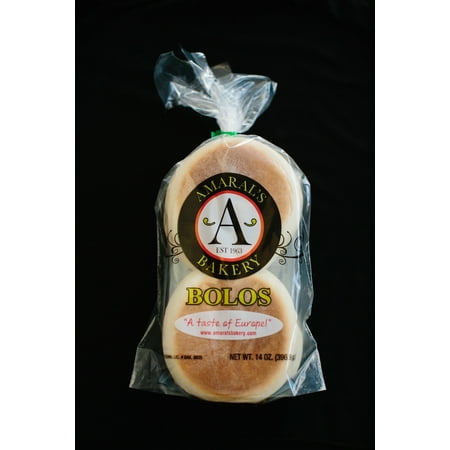


Amarals Bakery Inc. Amarals Portuguese Bolos Levedos
Analysis updated May 2026 · How Scout scores
At a glance
Summary
This product contains beneficial ingredients such as eggs and milk, which provide high-quality protein and essential nutrients. However, it is processed and includes refined sugar, which can contribute to health issues if consumed in excess. The presence of enriched flour and the overall processing level limit its healthiness compared to less processed alternatives.
Key ingredients 12
Malted Barley FlourGood
Malted barley flour is used to enhance flavor and improve the texture of baked goods. It contains enzymes that help break down starches into sugars, aiding in fermentation. This ingredient can improve the nutritional profile by adding some vitamins and minerals.
Benefits
Enhances flavor and texture in baked goods and provides additional nutrients like vitamins and minerals.
NiacinGood
Niacin, also known as vitamin B3, is added to enriched flours to replace nutrients lost during processing. It plays a crucial role in energy metabolism and maintaining healthy skin. As a water-soluble vitamin, it is essential for overall health.
Benefits
Supports energy metabolism and contributes to healthy skin and nervous system function.
IronGood
Iron is an essential mineral added to enriched flours to prevent deficiencies. It is crucial for oxygen transport in the blood and energy production. Fortification helps maintain adequate iron levels in the diet.
Risks
Excessive iron intake can lead to toxicity, but this is rare from dietary sources alone.
Benefits
Essential for oxygen transport and energy production, helping to prevent anemia.
Thiamin MononitrateGood
Thiamin mononitrate is a form of vitamin B1 used to fortify foods. It is vital for carbohydrate metabolism and nerve function. Fortification helps prevent deficiencies, especially in refined grain products.
Benefits
Supports carbohydrate metabolism and nerve function, preventing thiamin deficiency.
RiboflavinGood
Riboflavin, or vitamin B2, is added to enriched flours to support energy production and cellular function. It is water-soluble and plays a role in the metabolism of fats, drugs, and steroids. Fortification ensures adequate intake in the diet.
Benefits
Essential for energy production and cellular function, contributing to overall health.
EggsGood
Eggs are a high-quality protein source and provide essential nutrients like choline and vitamin D. They contribute to the structure and richness of baked goods. Eggs from pasture-raised hens offer additional omega-3 fatty acids.
Risks
Potential allergen for some individuals, but generally safe for most people.
Benefits
Rich in high-quality protein and essential nutrients, supporting muscle health and overall nutrition.
MilkGood
Milk is a source of calcium, vitamin D, and high-quality protein. It enhances the flavor and texture of baked goods. Milk from grass-fed cows may offer additional omega-3 fatty acids and CLA.
Risks
Potential allergen for lactose-intolerant individuals, but generally beneficial for most people.
Benefits
Provides calcium and vitamin D, supporting bone health and contributing to the nutritional profile of baked goods.
Bleached Wheat FlourNeutral
Bleached wheat flour is a refined flour that has been chemically treated to improve texture and appearance. The bleaching process can reduce some nutritional content compared to whole wheat flour. It is commonly used in baking for its fine texture and white color.
Risks
The refining and bleaching process removes fiber and some nutrients, potentially impacting blood sugar levels.
Benefits
Provides a fine texture suitable for soft baked goods, though it lacks significant nutritional benefits.
Folic AcidNeutral
Standard formulation ingredient — neither beneficial nor harmful at typical use.
Risks
Excessive intake can mask vitamin B12 deficiency, but this is uncommon with normal dietary consumption.
Benefits
Prevents neural tube defects and supports DNA synthesis and cell division.
WaterNeutral
Water is a fundamental ingredient used to hydrate and mix other ingredients. It is essential for the baking process and contributes to the texture of the final product. Water itself does not provide nutritional value but is crucial for life.
Benefits
Essential for hydration and mixing ingredients, contributing to the texture of baked goods.
MargarineNeutral
Margarine is a butter substitute made from vegetable oils, often used to provide a similar texture and flavor. It may contain trans fats if partially hydrogenated oils are used, though many modern margarines are trans fat-free. Margarine is often fortified with vitamins A and D.
Risks
Potential presence of trans fats in some formulations, though many are now trans fat-free.
Benefits
Provides a butter-like texture and flavor, often fortified with vitamins A and D.
SugarBad
Sugar is a refined carbohydrate that provides sweetness and energy. Excessive consumption can lead to health issues such as obesity and dental cavities. It is often used in baked goods to enhance flavor and texture.
Risks
High intake is associated with increased risk of obesity, type 2 diabetes, and dental cavities.
Benefits
Provides quick energy and enhances the flavor and texture of baked goods.
Processing
Processed Foods
Get the full breakdown in the Scout appTake Scout shopping
Scan any product to see lab results, healthy alternatives, and your personalized analysis.
Download on theApp Store GET IT ONGoogle Play