


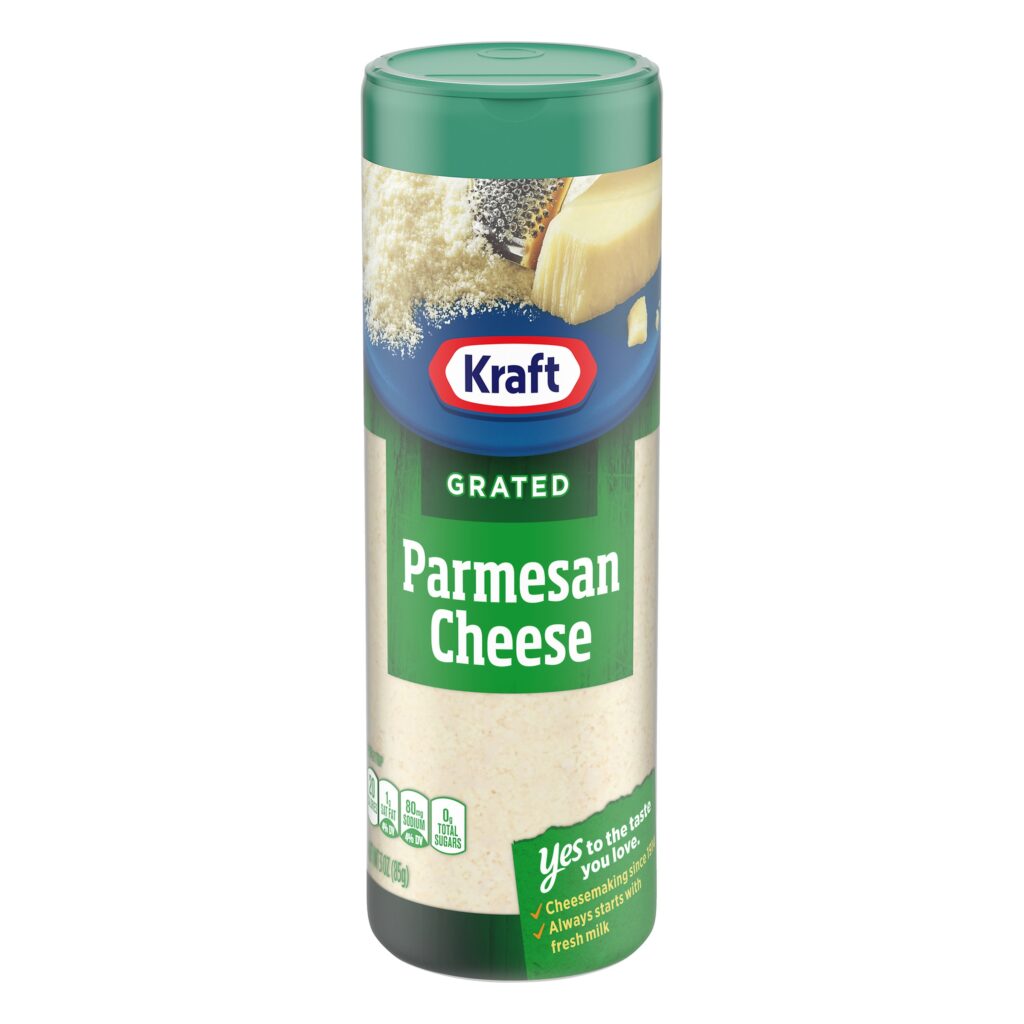
At a glance
Summary
This cheese is made from cultured pasteurized milk, which provides essential nutrients and is a key component of traditional cheese. However, the presence of sorbic acid, a synthetic preservative, slightly detracts from its overall quality. Despite being processed, the ingredient list is relatively clean, allowing it to score well within its category.
Key ingredients 4
Cultured Pasteurized MilkGood
Cultured pasteurized milk is a primary ingredient in cheese, providing essential nutrients like calcium and protein. The pasteurization process ensures safety by eliminating harmful bacteria. Culturing enhances flavor and digestibility.
Benefits
Rich in calcium and protein, supporting bone health and muscle maintenance.
RennetGood
Beneficial ingredient — whole-food or functional value in this product class.
Benefits
Essential for cheese production, aiding in the coagulation of milk.
SaltNeutral
Salt is used in cheese for flavor and as a preservative. It is a common ingredient in many foods and provides essential sodium. However, excessive consumption can lead to health issues.
Risks
High sodium intake can contribute to hypertension and cardiovascular issues.
Benefits
Provides essential sodium necessary for various bodily functions.
Sorbic AcidBad
Sorbic acid is a preservative used to inhibit mold and yeast growth in cheese. It is synthetically produced and considered safe in small amounts. However, it is an additive and not a natural component of cheese.
Risks
May cause allergic reactions or sensitivities in some individuals.
Benefits
Helps extend the shelf life of cheese by preventing spoilage.
Processing
Processed Foods
Get the full breakdown in the Scout appTake Scout shopping
Scan any product to see lab results, healthy alternatives, and your personalized analysis.
Download on theApp Store GET IT ONGoogle Play