
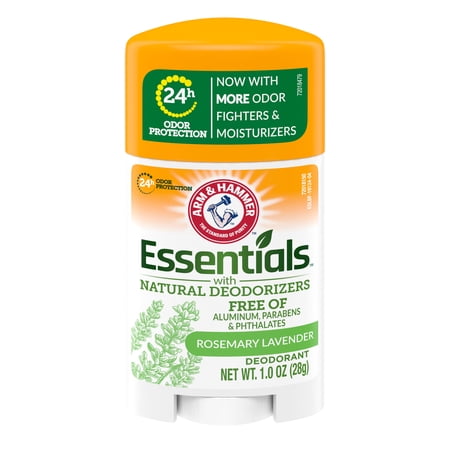

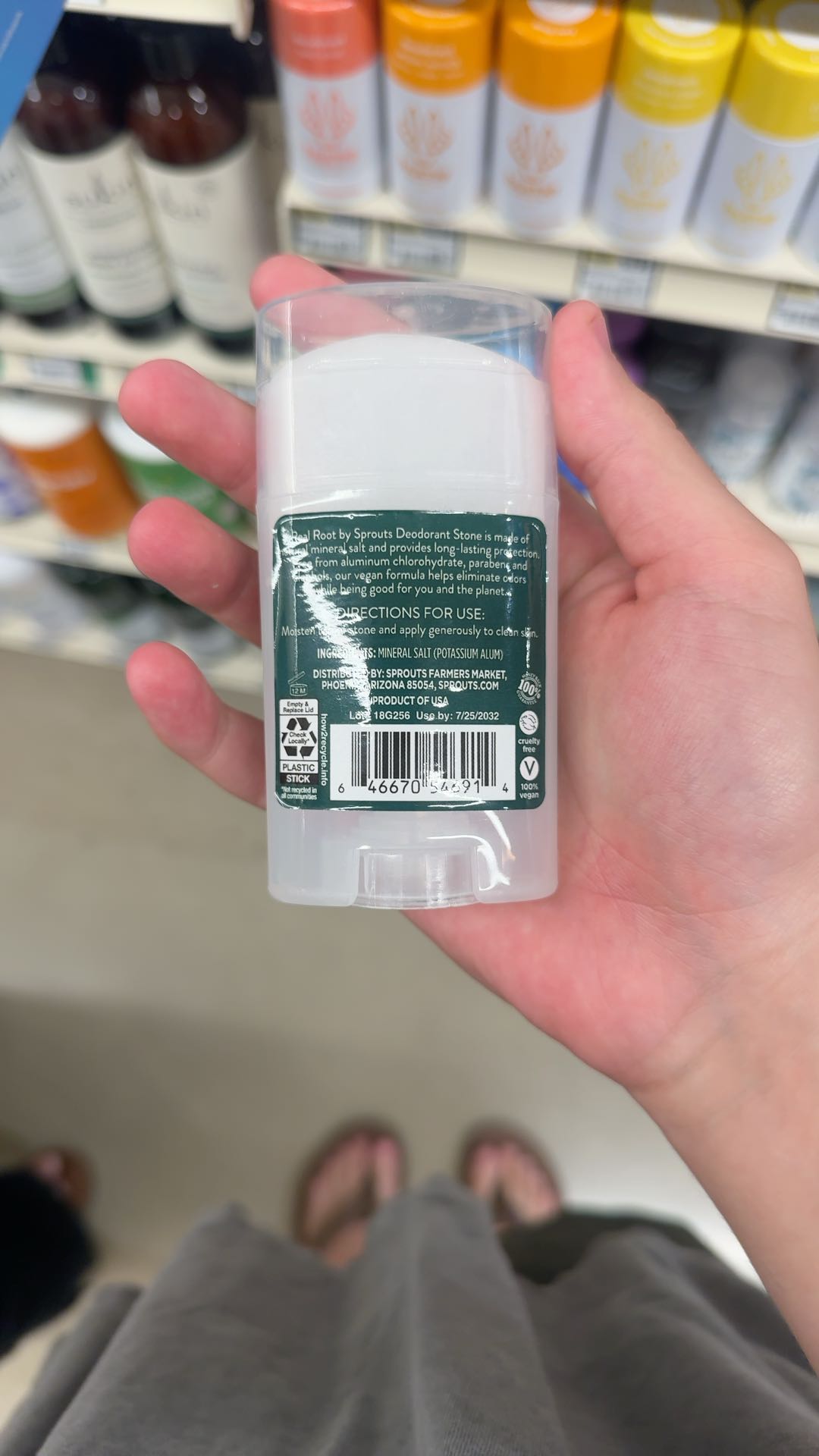

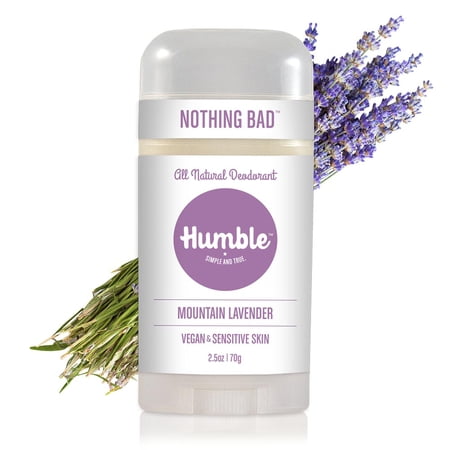
ARM HAMMER Essentials Deodorant with Natural Deodorizers Fresh Rosemary Lavender 1 OZ
Analysis updated August 2026 · How Scout scores
At a glance
Summary
This deodorant is aluminum-free and contains beneficial natural ingredients like sodium bicarbonate, rosemary oil, and lavandin oil, which help neutralize odor and provide antimicrobial benefits. However, the presence of propylene glycol and synthetic fragrance, which can cause skin irritation and allergic reactions, lowers its overall safety profile. The combination of these two synthetic ingredients results in a moderate score, reflecting the balance between natural benefits and potential irritants.
Key ingredients 12
Sodium BicarbonateGood
Sodium bicarbonate, or baking soda, is a natural odor neutralizer. It effectively absorbs moisture and neutralizes body odor. It is a popular ingredient in natural deodorants due to its effectiveness.
Risks
May cause irritation or rash in sensitive skin types.
Benefits
Effectively neutralizes odor and absorbs moisture.
Coriandrum Sativum (Coriander) Fruit OilGood
Coriander fruit oil is known for its antimicrobial properties. It can help reduce odor-causing bacteria on the skin. It also provides a pleasant fragrance.
Risks
Rarely, it may cause allergic reactions in sensitive individuals.
Benefits
Offers antimicrobial benefits and a natural fragrance.
Rosmarinus Officinalis (Rosemary) Leaf OilGood
Rosemary leaf oil is valued for its antimicrobial and antioxidant properties. It helps in reducing bacteria that cause odor and provides a refreshing scent. It is a beneficial addition to natural deodorants.
Risks
May cause skin irritation in sensitive individuals.
Benefits
Provides antimicrobial benefits and a refreshing scent.
Lavandula Hybrida (Lavandin) OilGood
Lavandin oil is known for its calming and antimicrobial properties. It helps in reducing odor-causing bacteria and adds a pleasant lavender scent. It is often used in natural deodorants for its dual benefits.
Risks
Potential for skin irritation or allergic reactions in some individuals.
Benefits
Offers antimicrobial benefits and a calming fragrance.
AllantoinGood
Allantoin is known for its skin-soothing and healing properties. It helps in reducing irritation and promotes skin regeneration. It is a beneficial ingredient in deodorants for its calming effects on the skin.
Risks
Generally considered safe with minimal risk of irritation.
Benefits
Soothes and heals the skin, reducing irritation.
Purified WaterNeutral
Purified water is used as a solvent in many cosmetic formulations. It helps dissolve other ingredients and provides a base for the product. It is generally considered safe and non-irritating.
Benefits
Acts as a solvent and hydrates the skin.
Sodium StearateNeutral
Sodium stearate is a common soap ingredient used as a thickener and stabilizer in deodorants. It helps in forming a solid stick and is generally considered safe. However, it may cause mild irritation in some individuals.
Risks
Potential for mild skin irritation.
Benefits
Helps in forming a solid stick and stabilizes the formulation.
EthylhexylglycerinNeutral
Ethylhexylglycerin is used as a skin conditioning agent and preservative enhancer. It is generally considered safe and non-irritating. It helps in improving the efficacy of preservatives in the formulation.
Risks
Low risk of skin irritation.
Benefits
Enhances the efficacy of preservatives and conditions the skin.
Octenidine HClNeutral
Octenidine HCl is an antimicrobial agent used in cosmetics to prevent bacterial growth. It is effective in low concentrations and is considered safe for use in personal care products. It helps in maintaining product stability.
Risks
Minimal risk of skin irritation.
Benefits
Provides antimicrobial protection and enhances product stability.
Tetrasodium EDTANeutral
Tetrasodium EDTA is a chelating agent that helps in stabilizing formulations by binding metal ions. It is widely used in cosmetics and is considered safe in low concentrations. It enhances the effectiveness of preservatives.
Risks
Potential for skin irritation in sensitive individuals.
Benefits
Stabilizes formulations and enhances preservative efficacy.
Propylene GlycolBad
Propylene glycol is a petroleum-derived compound commonly used as a solvent in cosmetics. It can cause skin irritation, especially in sensitive individuals. Its use in deodorants is controversial due to its potential to cause allergic reactions.
Risks
May cause skin irritation and allergic reactions in some individuals.
Benefits
Helps in the absorption of other ingredients and acts as a humectant.
FragranceVery Bad
Fragrance in cosmetics can be a mixture of various chemicals, some of which may cause skin irritation or allergic reactions. It is often criticized for its lack of transparency in ingredient disclosure. Synthetic fragrances can also contain phthalates, which are concerning for health.
Risks
May cause skin irritation, allergic reactions, and potential exposure to phthalates.
Benefits
Provides a pleasant scent to the product.
Get the full breakdown in the Scout appTake Scout shopping
Scan any product to see lab results, healthy alternatives, and your personalized analysis.
Download on theApp Store GET IT ONGoogle PlayAmazon pricing & content
Amazon price as of . Product prices and availability are accurate as of the date/time indicated and are subject to change. Any price and availability information displayed on Amazon.com at the time of purchase will apply to the purchase of this product.
CERTAIN CONTENT THAT APPEARS ON THIS SITE COMES FROM AMAZON. THIS CONTENT IS PROVIDED “AS IS” AND IS SUBJECT TO CHANGE OR REMOVAL AT ANY TIME.