
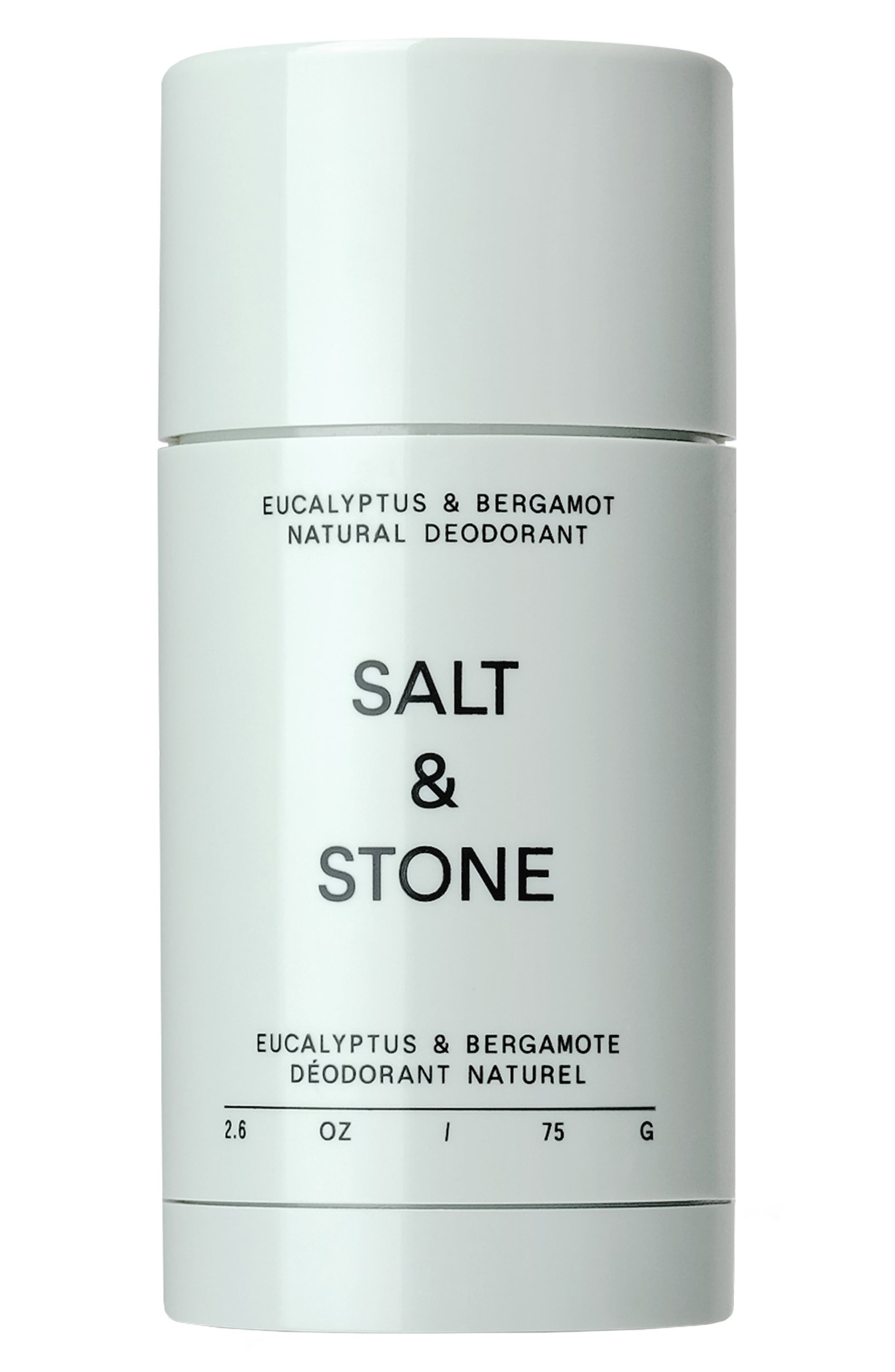
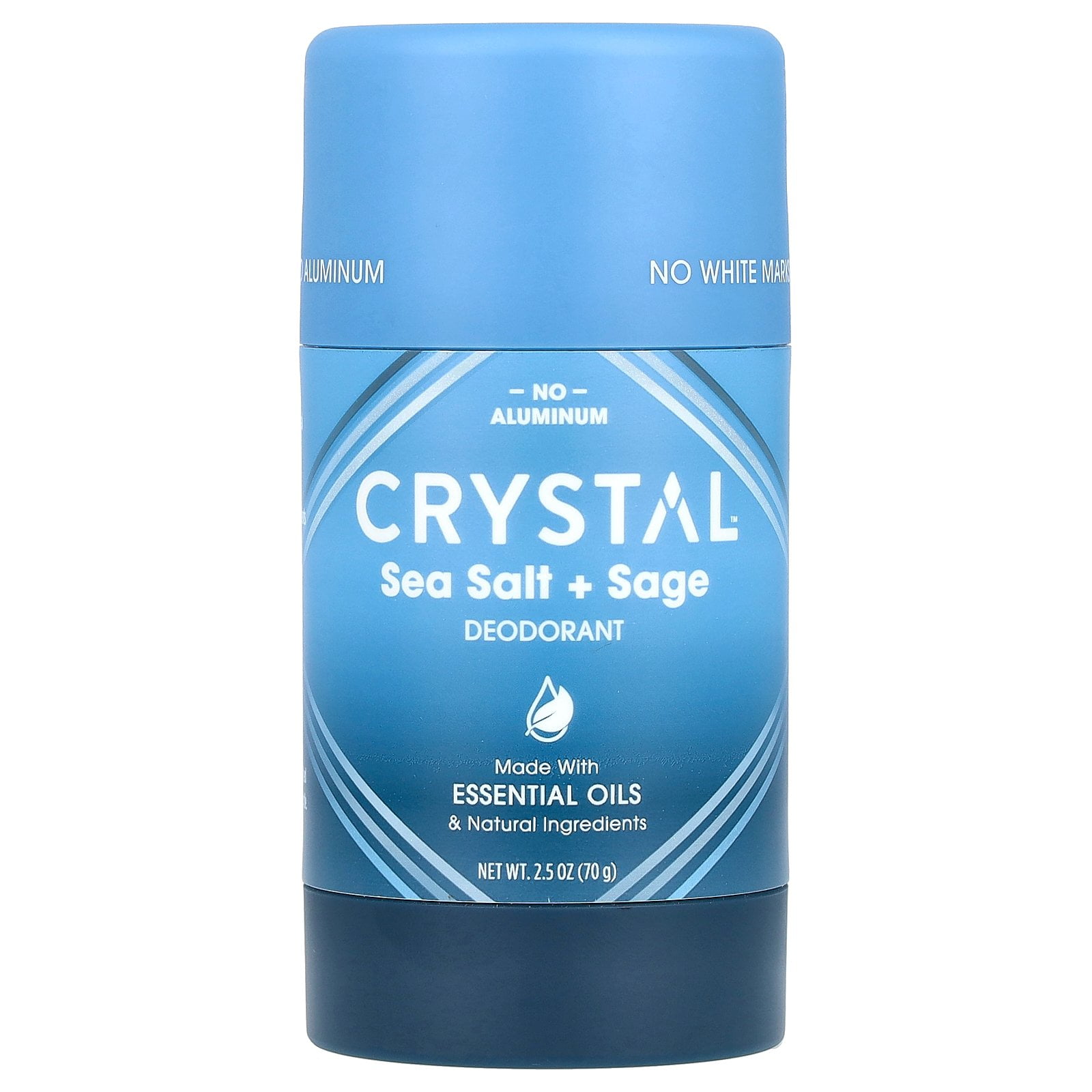


Salt & Stone Eucalyptus & Bergamot Formula No. 2 Natural Deodorant
Analysis updated August 2026 · How Scout scores
At a glance
Summary
This deodorant is aluminum-free and contains beneficial natural ingredients like aloe vera, arrowroot powder, and shea butter, which are known for their soothing and moisturizing properties. However, the presence of propylene glycol and synthetic fragrance reduces its overall safety profile, as these can cause skin irritation and are less desirable in clean formulations. Despite these concerns, the product still offers some natural benefits and avoids more harmful additives like parabens and phthalates.
Key ingredients 26
Aloe Barbadensis Leaf JuiceGood
Aloe vera is known for its soothing and moisturizing properties. It is beneficial for calming irritated skin. It is a natural ingredient that enhances skin hydration.
Risks
Generally safe, but rare allergic reactions can occur.
Benefits
Soothes and moisturizes the skin.
Saccharomyces FermentGood
Saccharomyces ferment is a probiotic ingredient that can help balance the skin's microbiome. It may contribute to odor control by inhibiting harmful bacteria. It is a natural ingredient with potential skin benefits.
Risks
Minimal risk, generally considered safe.
Benefits
Helps balance skin microbiome and control odor.
GlycerinGood
Glycerin is a humectant that attracts moisture to the skin. It is widely used in cosmetics for its moisturizing properties. It helps keep the skin hydrated and soft.
Risks
Generally safe, but can cause irritation in rare cases.
Benefits
Moisturizes and hydrates the skin.
Manihot Esculenta (Arrowroot) PowderGood
Arrowroot powder is a natural starch used for moisture absorption. It helps keep the underarms dry and comfortable. It is a gentle alternative to talc.
Risks
Minimal risk, generally considered safe.
Benefits
Absorbs moisture and keeps underarms dry.
Zea Mays (Corn) StarchGood
Corn starch is used for its moisture-absorbing properties. It helps reduce wetness and improve the feel of the product. It is a natural and safe ingredient.
Risks
Minimal risk, generally considered safe.
Benefits
Reduces wetness and improves product feel.
Chamomilla Recutita (Matricaria) Flower ExtractGood
Chamomile extract is known for its soothing and anti-inflammatory properties. It can help calm irritated skin and reduce redness. It is a beneficial natural ingredient for sensitive skin.
Risks
Generally safe, but rare allergic reactions can occur.
Benefits
Soothes and calms irritated skin.
Royal Jelly ExtractGood
Royal jelly extract is rich in nutrients and has moisturizing properties. It can help nourish and rejuvenate the skin. It is a natural ingredient with potential skin benefits.
Risks
Potential allergen for those allergic to bee products.
Benefits
Nourishes and rejuvenates the skin.
Butyrospermum Parkii (Shea) ButterGood
Shea butter is a natural fat known for its moisturizing and nourishing properties. It helps to soften and protect the skin. It is a beneficial ingredient for dry and sensitive skin.
Risks
Generally safe, but rare allergic reactions can occur.
Benefits
Moisturizes and nourishes the skin.
Simmondsia Chinensis (Jojoba) Seed OilGood
Jojoba oil is a natural oil that closely resembles the skin's sebum. It is known for its moisturizing and balancing properties. It helps to maintain skin hydration without clogging pores.
Risks
Generally safe, but rare allergic reactions can occur.
Benefits
Moisturizes and balances the skin.
Sodium HyaluronateGood
Sodium hyaluronate is a form of hyaluronic acid that helps retain moisture in the skin. It is known for its hydrating and plumping effects. It is a beneficial ingredient for maintaining skin hydration.
Risks
Generally safe, but can cause irritation in rare cases.
Benefits
Hydrates and plumps the skin.
Calendula Officinalis Flower ExtractGood
Calendula extract is known for its soothing and healing properties. It can help calm irritated skin and promote healing. It is a beneficial natural ingredient for sensitive skin.
Risks
Generally safe, but rare allergic reactions can occur.
Benefits
Soothes and heals irritated skin.
Citrus Limon (Lemon) Peel ExtractGood
Lemon peel extract is rich in antioxidants and has astringent properties. It can help brighten the skin and reduce oiliness. It is a natural ingredient with potential skin benefits.
Risks
Can cause photosensitivity if exposed to sunlight.
Benefits
Brightens skin and reduces oiliness.
Humulus Lupulus (Hops) ExtractGood
Hops extract is known for its antibacterial and soothing properties. It can help reduce skin irritation and control odor. It is a beneficial natural ingredient for deodorants.
Risks
Generally safe, but rare allergic reactions can occur.
Benefits
Reduces irritation and controls odor.
Panax Quinquefolium Root ExtractGood
Ginseng root extract is known for its antioxidant and revitalizing properties. It can help improve skin tone and texture. It is a beneficial natural ingredient for skin health.
Risks
Generally safe, but rare allergic reactions can occur.
Benefits
Improves skin tone and texture.
Leuconostoc/Radish Root Ferment FiltrateGood
This ferment filtrate is a natural preservative with antimicrobial properties. It helps to inhibit the growth of harmful bacteria. It is a beneficial ingredient for maintaining product freshness.
Risks
Generally safe, but can cause irritation in rare cases.
Benefits
Inhibits harmful bacteria and maintains freshness.
Sodium StearateNeutral
Sodium stearate is a common soap ingredient used as a thickener and stabilizer. It is generally considered safe and non-irritating. It helps to solidify the deodorant stick.
Risks
Minimal risk, generally considered safe.
Benefits
Contributes to the solid form of the deodorant.
Water (Aqua)Neutral
Water is a universal solvent used in many cosmetic formulations. It acts as a base for the product. It is essential for dissolving other ingredients.
Benefits
Provides a medium for other ingredients to mix.
Sd Alcohol DenatNeutral
Denatured alcohol is used as a solvent and to help the product dry quickly. It can be drying to the skin if used in high concentrations. It is effective in reducing the greasy feel of the product.
Risks
Can be drying or irritating to sensitive skin.
Benefits
Helps the product dry quickly and reduces greasiness.
Natural FragranceNeutral
Natural fragrance is derived from essential oils and plant extracts. It provides a pleasant scent without synthetic chemicals. However, it can still cause allergic reactions in sensitive individuals.
Risks
Potential allergen for sensitive individuals.
Benefits
Provides a pleasant scent without synthetic chemicals.
PropanediolNeutral
Propanediol is a natural alternative to propylene glycol, used as a solvent and humectant. It is less irritating than propylene glycol. It helps to improve the texture and moisture retention of the product.
Risks
Generally safe, but can cause irritation in rare cases.
Benefits
Improves texture and moisture retention.
Polyglyceryl-4 CaprateNeutral
Polyglyceryl-4 caprate is an emulsifier derived from natural sources. It helps to blend oil and water-based ingredients. It is considered safe and non-irritating.
Risks
Minimal risk, generally considered safe.
Benefits
Helps blend oil and water-based ingredients.
Polyglyceryl-6 CaprylateNeutral
Polyglyceryl-6 caprylate is an emulsifier that helps stabilize formulations. It is derived from natural sources and is considered safe. It aids in the even distribution of ingredients.
Risks
Minimal risk, generally considered safe.
Benefits
Stabilizes formulations and aids ingredient distribution.
Silica Cetyl SilylateNeutral
Silica cetyl silylate is used as a thickening agent and to improve texture. It is generally considered safe for use in cosmetics. It helps provide a smooth application.
Risks
Minimal risk, generally considered safe.
Benefits
Improves texture and provides smooth application.
Propylene Glycol (Biobased)Bad
Propylene glycol is a petroleum-derived compound often used as a humectant. It can cause skin irritation, especially in sensitive individuals. Despite being biobased, it still poses similar risks as its petroleum-derived counterpart.
Risks
Potential skin irritant, especially for sensitive skin.
Benefits
Helps retain moisture in the product, improving texture.
Potassium SorbateBad
Synthetic preservative — flagged in daily-use products.
Risks
Can cause irritation in sensitive individuals.
Benefits
Prevents mold and yeast growth, extending shelf life.
Sodium BenzoateBad
Synthetic preservative that can form benzene in the presence of vitamin C.
Risks
Can cause irritation in sensitive individuals.
Benefits
Prevents microbial growth, maintaining product safety.
Get the full breakdown in the Scout appTake Scout shopping
Scan any product to see lab results, healthy alternatives, and your personalized analysis.
Download on theApp Store GET IT ONGoogle Play