


At a glance
Summary
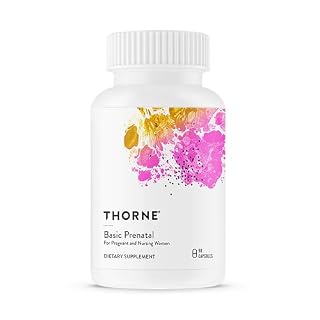
This supplement contains Vitamin C, a beneficial antioxidant that supports immune function and skin health. However, the presence of titanium dioxide, a controversial whitening agent with potential health concerns, detracts from its overall quality. The formulation includes several additives, which slightly lowers its score compared to cleaner, more minimally processed alternatives.
Key ingredients 10
Vitamin CVery Good
Vitamin C is a powerful antioxidant that supports immune function and skin health. It is essential for the synthesis of collagen and the absorption of iron from plant-based foods. As a water-soluble vitamin, it is generally safe and beneficial when consumed in appropriate amounts.
Benefits
Supports immune function, acts as an antioxidant, and aids in collagen synthesis.
Microcrystalline CelluloseNeutral
Microcrystalline cellulose is a common bulking agent used in supplements to provide structure. It is derived from plant fibers and is generally considered safe for consumption. It does not provide nutritional benefits but aids in the manufacturing process.
See more about Microcrystalline Cellulose →HydroxypropylmethylcelluloseNeutral
Hydroxypropylmethylcellulose is used as a coating agent to improve the stability and appearance of tablets. It is a synthetic polymer that is generally recognized as safe. It does not contribute to the nutritional value of the product.
Silicon DioxideNeutral
Silicon dioxide is an anti-caking agent that prevents clumping in powdered supplements. It is naturally occurring and widely used in food products. It does not provide any nutritional benefits.
See more about Silicon Dioxide →Vegetable Stearic AcidNeutral
Vegetable stearic acid is used as a lubricant in tablet manufacturing to ensure smooth processing. It is a saturated fatty acid derived from vegetable oils. It does not have significant health impacts when consumed in small amounts.
See more about Vegetable Stearic Acid →Magnesium StearateNeutral
Magnesium stearate is a common flow agent used in supplement manufacturing to prevent ingredients from sticking to equipment. It is generally recognized as safe when used in small amounts. It does not contribute to the nutritional value of the product.
See more about Magnesium Stearate →Dicalcium PhosphateNeutral
Dicalcium phosphate is used as a dietary supplement and a tableting agent. It provides calcium and phosphorus, which are essential for bone health. However, in the context of this product, it primarily serves as a filler.
Benefits
Provides calcium and phosphorus, which are beneficial for bone health.
Croscarmellose SodiumNeutral
Croscarmellose sodium is used as a disintegrant in tablets to help them dissolve quickly. It is derived from cellulose and is generally considered safe. It does not provide nutritional benefits.
See more about Croscarmellose Sodium →Vegetable GlycerinNeutral
Vegetable glycerin is used as a coating agent to improve the texture and moisture retention of tablets. It is derived from plant oils and is generally recognized as safe. It does not contribute to the nutritional value of the product.
See more about Vegetable Glycerin →Titanium DioxideVery Bad
Titanium dioxide is used as a whitening agent in supplements and foods. It has been controversial due to potential health concerns, including its classification as a possible carcinogen when inhaled. Its use in food products is under scrutiny in some regions.
Risks
Potential health concerns include its classification as a possible carcinogen when inhaled.
Processing
Processed Foods
Get the full breakdown in the Scout appTake Scout shopping
Scan any product to see lab results, healthy alternatives, and your personalized analysis.
Download on theApp Store GET IT ONGoogle Play