
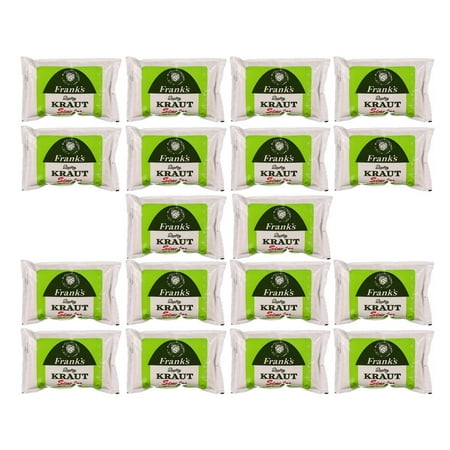


At a glance
Summary
This product is primarily made from cabbage, a nutrient-rich vegetable that provides fiber and beneficial probiotics when fermented. However, the presence of sodium benzoate and sodium bisulfite, both synthetic additives, slightly detracts from its healthfulness. These additives are used for preservation and color retention, which are not ideal for those seeking minimally processed foods.
Key ingredients 5
CabbageGood
Cabbage is a nutrient-rich vegetable high in vitamins C and K. It is a key ingredient in sauerkraut, providing fiber and beneficial probiotics when fermented. The fermentation process enhances its digestibility and nutrient absorption.
Benefits
Rich in vitamins and fiber, and supports gut health through fermentation-derived probiotics.
WaterNeutral
Water is used as a solvent and medium for fermentation. It is essential for the fermentation process but does not contribute significant nutritional value. Its presence is necessary for maintaining the moisture content of the product.
See more about Water →Kraut juice saltNeutral
Kraut juice salt is used to enhance flavor and aid in the fermentation process. It is a common ingredient in fermented foods, providing necessary sodium for preservation. The salt content is minimal, reducing potential health concerns.
Risks
Excessive sodium intake can lead to health issues, but the amount in this product is minimal.
Benefits
Aids in flavor enhancement and preservation of the product.
Sodium benzoateBad
Sodium benzoate is a preservative used to prevent spoilage and extend shelf life. It is synthetically produced and can form benzene, a carcinogen, under certain conditions. Its use is generally safe in small amounts but is not ideal for health-conscious consumers.
Risks
Potential formation of benzene, a carcinogen, when combined with vitamin C in acidic conditions.
Benefits
Effectively prevents microbial growth, extending the product's shelf life.
Sodium bisulfiteBad
Sodium bisulfite is used to retain color in processed foods. It is a synthetic additive that can cause allergic reactions in sensitive individuals. While effective in maintaining appearance, it offers no nutritional benefits.
Risks
May cause allergic reactions, particularly in individuals with asthma or sulfite sensitivity.
Benefits
Helps maintain the visual appeal of the product by preventing discoloration.
Processing
Unprocessed or Minimally Processed Foods
Get the full breakdown in the Scout appTake Scout shopping
Scan any product to see lab results, healthy alternatives, and your personalized analysis.
Download on theApp Store GET IT ONGoogle Play