
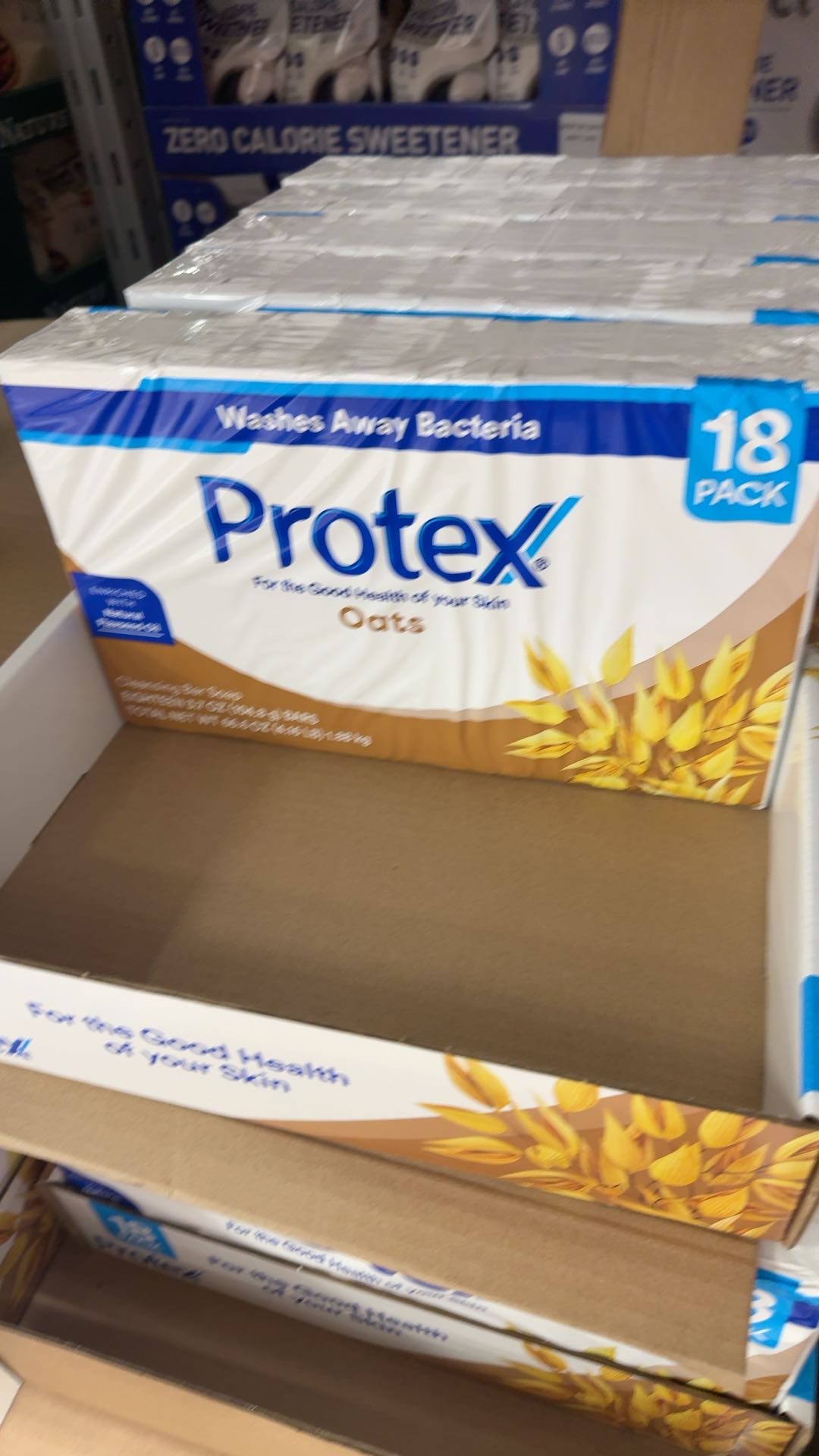

Protex Oats Soap 4.5 Oz (127g) - Jabon De Avena (pack Of 6)
Analysis updated July 2026 · How Scout scores
At a glance
Summary
This soap contains a mix of natural and synthetic ingredients. While it includes beneficial components like glycerin and linseed oil, it also contains synthetic fragrance, which can be a concern for sensitive skin. The presence of tetrasodium EDTA, a chelating agent, indicates a moderate level of processing, which affects the overall score.
Key ingredients 11
GlycerinGood
Glycerin is a humectant that attracts moisture to the skin. It is widely used in skincare for its hydrating properties. It is considered safe and beneficial for all skin types.
Risks
Generally considered safe with minimal risk of irritation.
Benefits
Helps to keep the skin hydrated and soft.
KaolinGood
Kaolin is a natural clay used for its absorbent properties. It helps to cleanse and exfoliate the skin gently. It is suitable for sensitive skin types.
Risks
Minimal risk of irritation; generally safe for all skin types.
Benefits
Absorbs excess oil and impurities from the skin.
Linum Usitatissimum (Linseed) Seed OilGood
Linseed Oil is rich in omega-3 fatty acids and is used for its moisturizing properties. It is beneficial for dry and sensitive skin. It is considered safe and nourishing.
Risks
Generally safe with minimal risk of irritation.
Benefits
Moisturizes and nourishes the skin, improving its texture.
Sodium LaurateNeutral
Sodium Laurate is a surfactant used for its cleansing properties. It is generally considered safe for use in cosmetics but can be drying to the skin. It is less harsh than sodium lauryl sulfate.
Risks
May cause dryness or irritation in sensitive skin.
Benefits
Effective in removing dirt and oils from the skin.
Sodium LinoleateNeutral
Sodium Linoleate is a fatty acid salt used as an emulsifier and surfactant. It is generally considered safe and non-irritating. It helps in maintaining the stability of the product.
Risks
Minimal risk of irritation or allergic reaction.
Benefits
Helps to stabilize and emulsify the product, contributing to a smooth texture.
Sodium OleateNeutral
Sodium Oleate is a fatty acid salt used as an emulsifier and surfactant. It is generally safe and helps in cleansing the skin. It is derived from natural oils.
Risks
May cause mild irritation in sensitive individuals.
Benefits
Contributes to the cleansing properties of the soap.
Sodium PalmitateNeutral
Sodium Palmitate is a common soap ingredient used for its cleansing properties. It is derived from palm oil and is generally considered safe. It helps to create a lather.
Risks
Potential environmental concerns due to palm oil sourcing.
Benefits
Effective in cleansing and creating a rich lather.
WaterNeutral
Water is used as a solvent in cosmetic formulations. It is essential for dissolving other ingredients and providing a base for the product. It is universally recognized as safe.
Benefits
Acts as a solvent and hydrates the skin.
Sodium ChlorideNeutral
Sodium Chloride is used as a thickening agent in cosmetics. It is generally considered safe and non-irritating. It helps to improve the texture of the product.
Risks
May cause dryness in high concentrations.
Benefits
Enhances the viscosity and texture of the product.
Tetrasodium EDTABad
Tetrasodium EDTA is a chelating agent used to improve product stability. It can enhance the penetration of other ingredients, which may increase the risk of irritation. It is considered safe in low concentrations but has environmental concerns.
Risks
Potential environmental impact and may enhance skin penetration of other chemicals.
Benefits
Improves product stability and prevents metal ion contamination.
FragranceVery Bad
Fragrance is used to impart scent to cosmetic products. It can cause allergic reactions and skin irritation in sensitive individuals. It is often criticized for its lack of transparency in ingredient disclosure.
Risks
Potential for skin irritation and allergic reactions.
Benefits
Provides a pleasant scent to the product.
Get the full breakdown in the Scout appTake Scout shopping
Scan any product to see lab results, healthy alternatives, and your personalized analysis.
Download on theApp Store GET IT ONGoogle Play