

At a glance
Summary
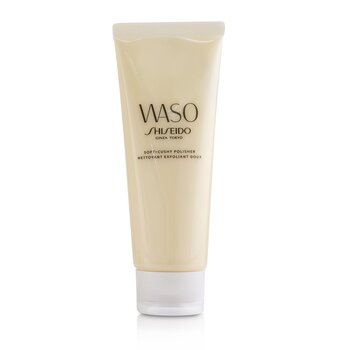
This product contains SD Alcohol 40-B, which can be drying and irritating to the skin, especially in high concentrations, impacting its overall safety profile. However, it also includes glycerin, a beneficial humectant that helps maintain skin hydration. The presence of dimethicone, a silicone, adds to the formulation's smoothing properties but also contributes to a moderate level of processing.
Key ingredients 8
GlycerinGood
Glycerin is a well-known humectant that attracts moisture to the skin, helping to keep it hydrated. It is non-irritating and suitable for all skin types. It is widely used in cosmetics for its moisturizing properties.
Risks
There are minimal risks associated with glycerin, though it can be sticky in high concentrations.
Benefits
It helps maintain skin hydration and improves skin barrier function.
WaterNeutral
Water is a common solvent used in cosmetics to dissolve other ingredients. It helps in the application and absorption of the product. It does not have any direct benefits or risks associated with its use.
Risks
There are no significant risks associated with water in cosmetics.
Benefits
Water helps in the application and absorption of the product.
Microcrystalline CelluloseNeutral
Microcrystalline cellulose is used as a bulking agent and to improve the texture of cosmetic products. It is generally considered safe and non-irritating. It does not provide direct skin benefits.
Risks
There are no significant risks associated with microcrystalline cellulose in cosmetics.
Benefits
It improves the texture and consistency of the product.
CelluloseNeutral
Cellulose is used as a thickener and stabilizer in cosmetic formulations. It is derived from plant cell walls and is considered safe for use. It does not provide direct skin benefits.
Risks
There are no significant risks associated with cellulose in cosmetics.
Benefits
It helps stabilize and thicken the product.
Dipropylene GlycolNeutral
Dipropylene glycol is a solvent and humectant used in cosmetics to improve texture and moisture retention. It is generally considered safe and non-irritating. It helps in the even distribution of the product.
Risks
There are minimal risks associated with dipropylene glycol, though it can cause irritation in very sensitive individuals.
Benefits
It helps retain moisture and improves the texture of the product.
Hydrolyzed Corn StarchNeutral
Hydrolyzed corn starch is used as a thickening agent and to improve the texture of cosmetic products. It is derived from corn and is generally considered safe. It does not provide direct skin benefits.
Risks
There are no significant risks associated with hydrolyzed corn starch in cosmetics.
Benefits
It improves the texture and consistency of the product.
Sd Alcohol 40-BBad
SD Alcohol 40-B is a denatured alcohol used as a solvent and astringent in cosmetics. It can be drying and irritating to the skin, especially in high concentrations. It is often used to help other ingredients penetrate the skin.
Risks
It can cause skin dryness and irritation, particularly for sensitive skin types.
Benefits
It helps other ingredients penetrate the skin and acts as a preservative.
DimethiconeBad
Occlusive silicone film-former — flagged under clean-beauty doctrine.
Risks
There are minimal risks associated with dimethicone, though it can cause build-up on the skin over time.
Benefits
It provides a smooth application and forms a protective barrier on the skin.
Get the full breakdown in the Scout appTake Scout shopping
Scan any product to see lab results, healthy alternatives, and your personalized analysis.
Download on theApp Store GET IT ONGoogle Play