


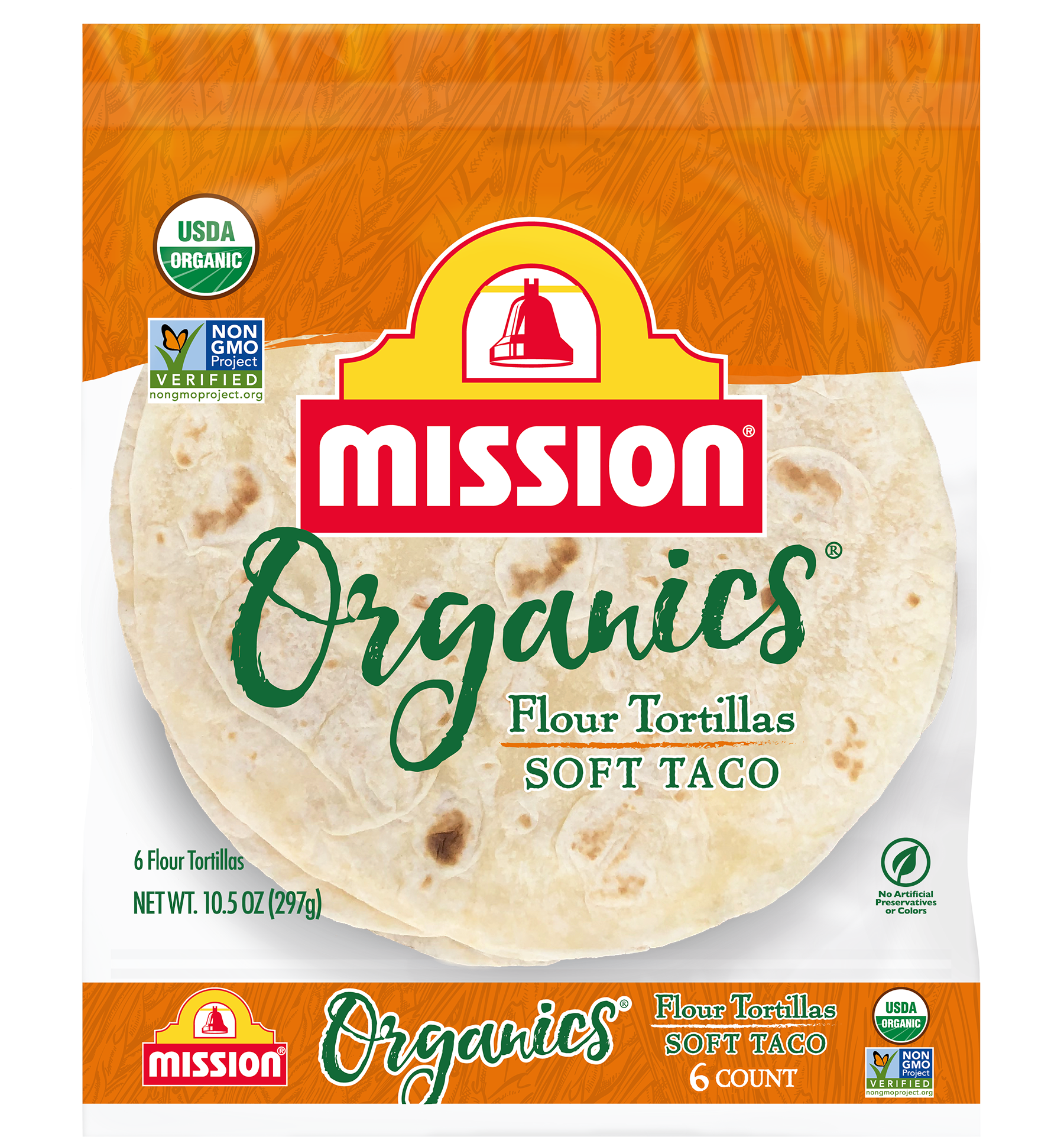
ORGANIC WHITE FLOUR TORTILLAS
Summary
These organic white flour tortillas are heavily processed, containing multiple additives and a seed oil, which can contribute to inflammation. The presence of organic ingredients is a positive aspect, but the high level of processing and inclusion of sunflower oil significantly impact the overall healthiness of the product.
At a glance
Key ingredients 9
Organic wheat flourNeutral
Organic wheat flour is a staple ingredient providing carbohydrates and some protein. Being organic, it is free from synthetic pesticides and fertilizers. However, it is a refined flour, lacking the fiber and nutrients found in whole grains.
Risks
Refined wheat flour can contribute to blood sugar spikes and lacks fiber.
Benefits
Provides energy through carbohydrates and contains some protein.
WaterNeutral
Water is a neutral ingredient used to hydrate and bind the dough. It does not contribute any calories or nutrients. Its role is primarily functional in the dough-making process.
Benefits
Essential for hydration and dough consistency.
Organic sunflower oilVery Bad
Sunflower oil is a seed oil high in omega-6 fatty acids, which can promote inflammation if consumed in excess. Despite being organic, it is still processed and may contribute to an imbalanced omega-3 to omega-6 ratio. It is not recommended for regular consumption due to these health concerns.
Risks
High omega-6 content may promote inflammation when consumed in excess.
Cultured organic wheat flourNeutral
Cultured organic wheat flour is used to enhance flavor and shelf life through natural fermentation. Being organic, it avoids synthetic additives. However, it remains a refined flour with limited nutritional benefits.
Risks
Similar to regular refined flour, it may contribute to blood sugar spikes.
Benefits
May improve flavor and digestibility due to fermentation.
SaltNeutral
Salt is used to enhance flavor and preserve the product. It is a common ingredient in processed foods. Excessive consumption can lead to health issues such as hypertension.
Risks
High sodium intake can contribute to hypertension and cardiovascular issues.
Benefits
Enhances flavor and acts as a preservative.
Citric acidNeutral
Citric acid is a natural preservative and flavor enhancer. It is commonly used in food products to maintain freshness. It is generally recognized as safe when consumed in typical amounts.
Risks
Excessive consumption may cause dental erosion or gastrointestinal discomfort.
Benefits
Helps preserve freshness and enhance flavor.
Organic guar gumNeutral
Guar gum is a natural thickening agent derived from guar beans. It is used to improve texture and stability in food products. Being organic, it is free from synthetic chemicals.
Risks
May cause digestive issues like gas or bloating in sensitive individuals.
Benefits
Improves texture and stability of food products.
Baking powderNeutral
Baking powder is a leavening agent that helps dough rise. It typically contains sodium bicarbonate and acid salts. It is essential for achieving the desired texture in baked goods.
Risks
Excessive consumption can lead to high sodium intake.
Benefits
Essential for leavening and achieving a light texture.
Sodium bicarbonateNeutral
Sodium bicarbonate, or baking soda, is used as a leavening agent. It reacts with acids to produce carbon dioxide, which helps dough rise. It is a common and safe ingredient in baking.
Risks
Excessive use can contribute to high sodium levels.
Benefits
Helps dough rise and improves texture.
Processing
Ultra-Processed Foods
Get the full breakdown in the Scout app
Scan any product to see lab results, healthy alternatives, and your personalized analysis.
Download on theApp Store