



At a glance
Summary
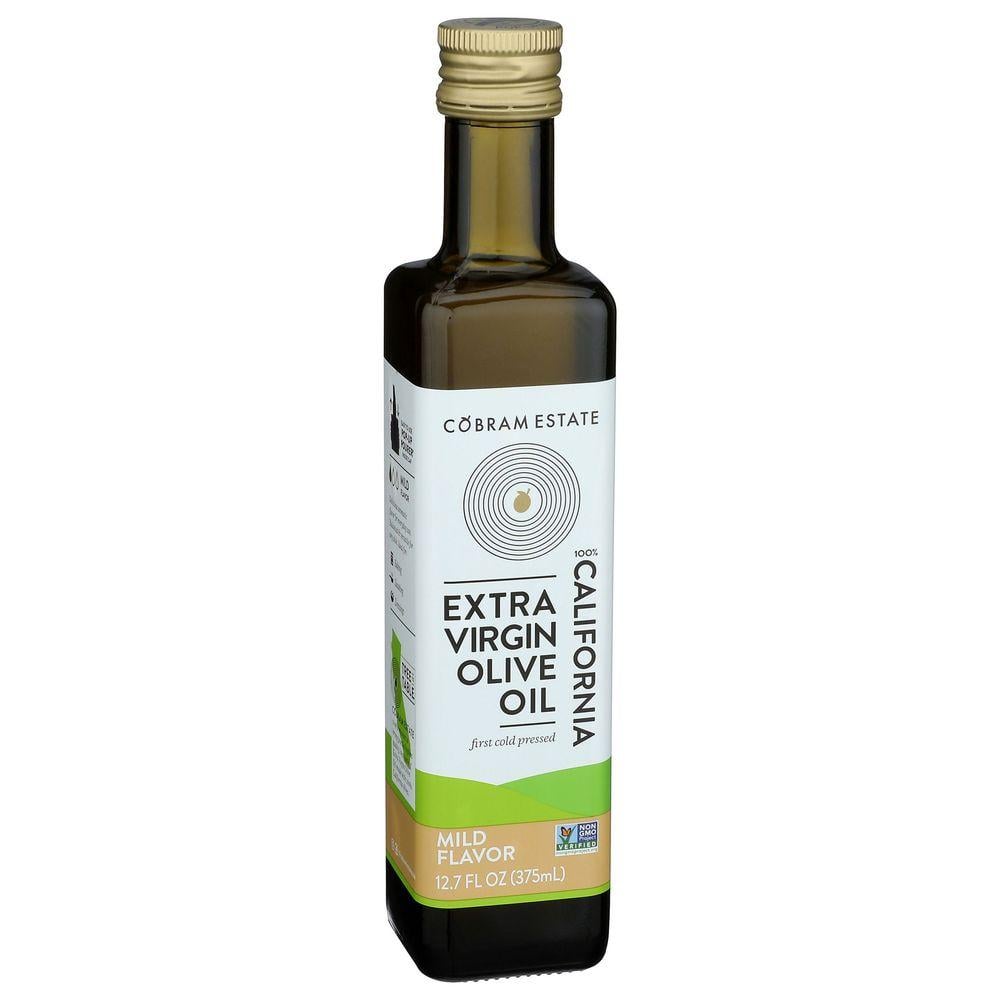
This cooking spray contains extra virgin olive oil, which is a high-quality fat with beneficial properties. However, the inclusion of soy lecithin and bioengineered food ingredients contributes to its high level of processing. The presence of these additives and the ultra-processed nature of the product limit its health rating despite the use of a beneficial oil.
Key ingredients 5
EXTRA VIRGIN OLIVE OILVery Good
Extra virgin olive oil is a natural oil known for its moisturizing properties and is rich in antioxidants. It is beneficial for skin health due to its high content of vitamins E and K.
Risks
There are minimal risks associated with extra virgin olive oil, though it may cause allergic reactions in rare cases.
Benefits
It provides excellent hydration and nourishment to the skin, making it a valuable ingredient in skincare.
SOYNeutral
Soy is a common ingredient in cosmetics, often used for its emollient properties. It can help to improve skin texture and moisture retention.
Risks
Soy can trigger allergic reactions in some individuals, particularly those with soy allergies.
Benefits
It is beneficial for maintaining skin hydration and elasticity.
BIOENGINEERED FOOD INGREDIENTSNeutral
Bioengineered food ingredients refer to components derived from genetically modified organisms. Their use in cosmetics is primarily for functional purposes.
Risks
There is ongoing debate about the safety and environmental impact of genetically modified ingredients.
Benefits
They can enhance the performance and stability of cosmetic products.
SOY LECITHINBad
Refined emulsifier lecithin (doctrine: 'bad', distinct from seed oils).
Risks
Soy lecithin may cause allergic reactions in individuals sensitive to soy.
Benefits
It can improve the texture and consistency of skincare products, enhancing their application.
DIMETHYL SILICONE (FOR ANTI-FOAMING)Bad
Dimethyl silicone is a synthetic polymer used for its anti-foaming properties. It is not naturally derived and can create a barrier on the skin.
Risks
It may cause skin irritation and is not biodegradable, raising environmental concerns.
Benefits
It helps to reduce foaming in formulations, improving the product's usability.
Processing
Ultra-Processed Foods
Get the full breakdown in the Scout appTake Scout shopping
Scan any product to see lab results, healthy alternatives, and your personalized analysis.
Download on theApp Store GET IT ONGoogle Play