



CHILI WITH BEANS
Summary
This chili with beans is heavily processed, which limits its health score despite containing some beneficial ingredients like beef, pork beans, and tomatoes. The presence of refined ingredients such as corn flour and textured soy flour, along with added sugar and unspecified flavoring, detracts from its nutritional quality. The product's processing level and the inclusion of additives like citric acid further impact its overall healthiness.
At a glance
Key ingredients 14
WaterNeutral
Water is a neutral ingredient used as a base in many food products. It provides no nutritional value but is essential for hydration. In this product, it acts as a solvent for other ingredients.
See more about Water →Beef And Pork BeansGood
Beef and pork beans provide a source of protein and essential nutrients. They contribute to the overall protein content of the product. The combination of animal protein and beans offers a balanced amino acid profile.
Risks
Potential allergen for individuals sensitive to beef or pork.
Benefits
Rich in protein and essential nutrients such as iron and zinc, supporting muscle growth and immune function.
Concentrated Crushed TomatoesGood
Concentrated crushed tomatoes are a source of vitamins and antioxidants, particularly lycopene. They add flavor and nutritional value to the product. The concentration process enhances the tomato flavor and nutrient density.
Benefits
High in lycopene, which may reduce the risk of certain chronic diseases and support heart health.
Corn FlourBad
Corn flour is a refined carbohydrate that can contribute to blood sugar spikes. It is often used as a thickening agent in processed foods. The refining process removes most of the fiber and nutrients.
Risks
May contribute to blood sugar spikes and is a potential allergen for those with corn allergies.
Textured Soy FlourVery Bad
Textured soy flour is a highly processed soy product used as a meat extender. It lacks the complete amino acid profile found in animal proteins. The processing methods can reduce nutrient absorption and introduce anti-nutrients.
Risks
May contain anti-nutrients that interfere with mineral absorption and is a common allergen.
Benefits
Provides a plant-based protein source, though less complete than animal proteins.
SaltNeutral
Salt is used to enhance flavor and preserve food. It is a common ingredient in processed foods. While necessary in small amounts, excessive consumption can lead to health issues.
Risks
Excessive intake can lead to hypertension and cardiovascular issues.
Benefits
Essential for maintaining fluid balance and nerve function in the body.
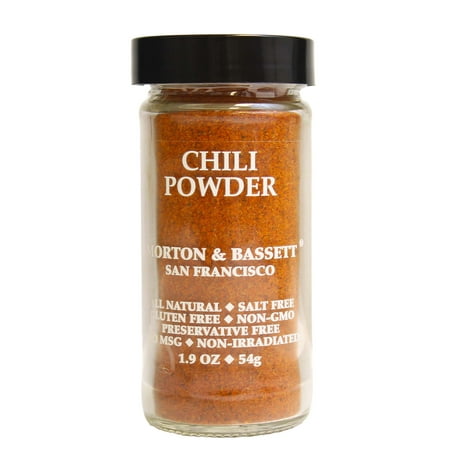
Chili PowderNeutral
Chili powder adds flavor and heat to the product. It is a blend of spices, primarily chili peppers. The capsaicin in chili peppers may have metabolic benefits.
Risks
May cause digestive discomfort in sensitive individuals.
Benefits
Contains capsaicin, which may boost metabolism and reduce inflammation.
FlavoringBad
Flavoring is a vague term that can include a variety of artificial or natural additives. It lacks transparency, making it difficult to assess health impacts. The use of unspecified flavoring agents is often discouraged in clean eating.
Risks
Potential for containing artificial additives that may cause allergic reactions or other health concerns.
SugarBad
Sugar is a refined carbohydrate that can contribute to increased calorie intake and blood sugar levels. It is often added to enhance sweetness in processed foods. Excessive consumption is linked to various health issues.
Risks
High intake is associated with obesity, type 2 diabetes, and dental cavities.
CornstarchNeutral
Cornstarch is used as a thickening agent in many processed foods. It is a refined carbohydrate with minimal nutritional value. While it provides texture, it does not contribute significantly to the nutritional profile.
Risks
May contribute to blood sugar spikes if consumed in large amounts.
SpicesNeutral
Spices add flavor and aroma to the product. They can include a variety of herbs and spices, each with potential health benefits. The specific spices used are not detailed, limiting precise analysis.
Benefits
May contain antioxidants and anti-inflammatory compounds depending on the specific spices used.
Green ChilesGood
Green chiles add flavor and a mild heat to the product. They are a source of vitamins, particularly vitamin C. The inclusion of citric acid helps preserve their color and flavor.
Risks
May cause digestive discomfort in sensitive individuals.
Benefits
Rich in vitamin C and antioxidants, supporting immune health and reducing inflammation.
OnionsGood
Onions provide flavor and nutritional benefits, including vitamins and antioxidants. They are known for their potential anti-inflammatory and heart health benefits. Onions are a staple in many cuisines for their versatility and health properties.
Benefits
Contains antioxidants like quercetin, which may support heart health and reduce inflammation.
Jalapeno PeppersGood
Jalapeno peppers add heat and flavor, contributing to the product's spiciness. They are rich in vitamins and capsaicin, which may have health benefits. The peppers are often used to enhance the sensory profile of dishes.
Risks
May cause digestive discomfort in sensitive individuals.
Benefits
High in vitamin C and capsaicin, which may boost metabolism and support immune function.
Processing
Ultra-Processed Foods
Get the full breakdown in the Scout app
Scan any product to see lab results, healthy alternatives, and your personalized analysis.
Download on theApp Store