
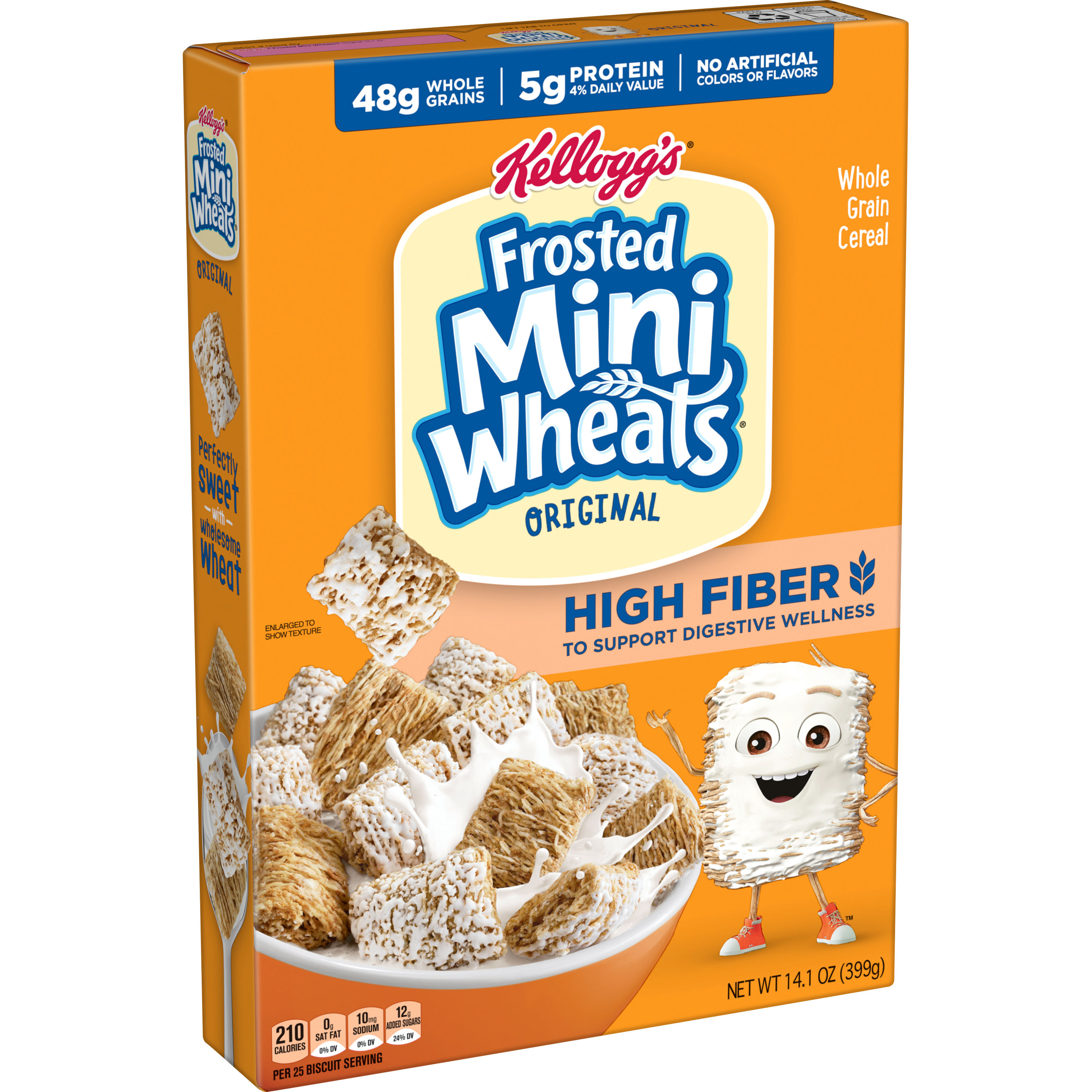
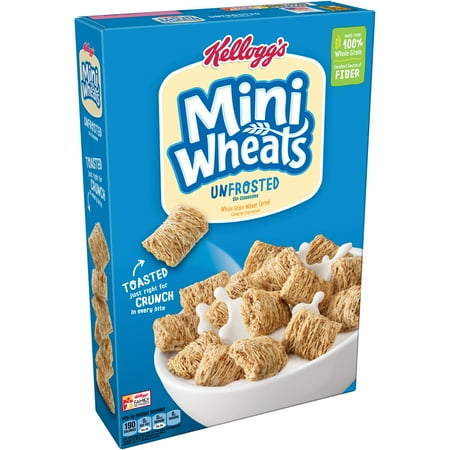


Kelloggs Mini Wheats Cereal, 15.8 oz
Analysis updated June 2026 · How Scout scores
At a glance
Summary
This cereal contains whole grain wheat, which is beneficial for its fiber content and nutritional value. However, the presence of refined sugar and BHT, a synthetic preservative, raises health concerns. The product is processed, which limits its score due to the inclusion of these less desirable ingredients.
Key ingredients 7
Whole grain wheatGood
Whole grain wheat is a nutritious source of fiber and essential nutrients, making it a beneficial ingredient in cereal.
See more about Whole grain wheat →Reduced ironNeutral
Reduced iron is added to fortify the cereal with iron, an essential mineral, without affecting taste or appearance.
See more about Reduced iron →Folic acidNeutral
Folic acid is added to support health by providing an important B vitamin, with no significant impact on flavor or texture.
See more about Folic acid →SugarBad
Sugar adds sweetness but can contribute to excess calorie intake and blood sugar spikes if consumed in large amounts.
See more about Sugar →Brown rice syrupBad
Brown rice syrup is a sweetener that can add extra sugars to the product, which some consumers prefer to limit.
See more about Brown rice syrup →GelatinBad
Gelatin is used as a gelling agent, but some consumers avoid it due to dietary preferences or ethical reasons.
See more about Gelatin →BHT for freshnessBad
BHT is an additive used to preserve freshness, but some prefer to avoid artificial preservatives in their food.
Processing
Processed Foods
Get the full breakdown in the Scout appTake Scout shopping
Scan any product to see lab results, healthy alternatives, and your personalized analysis.
Download on theApp Store GET IT ONGoogle PlayAmazon pricing & content
Amazon price as of . Product prices and availability are accurate as of the date/time indicated and are subject to change. Any price and availability information displayed on Amazon.com at the time of purchase will apply to the purchase of this product.
CERTAIN CONTENT THAT APPEARS ON THIS SITE COMES FROM AMAZON. THIS CONTENT IS PROVIDED “AS IS” AND IS SUBJECT TO CHANGE OR REMOVAL AT ANY TIME.