
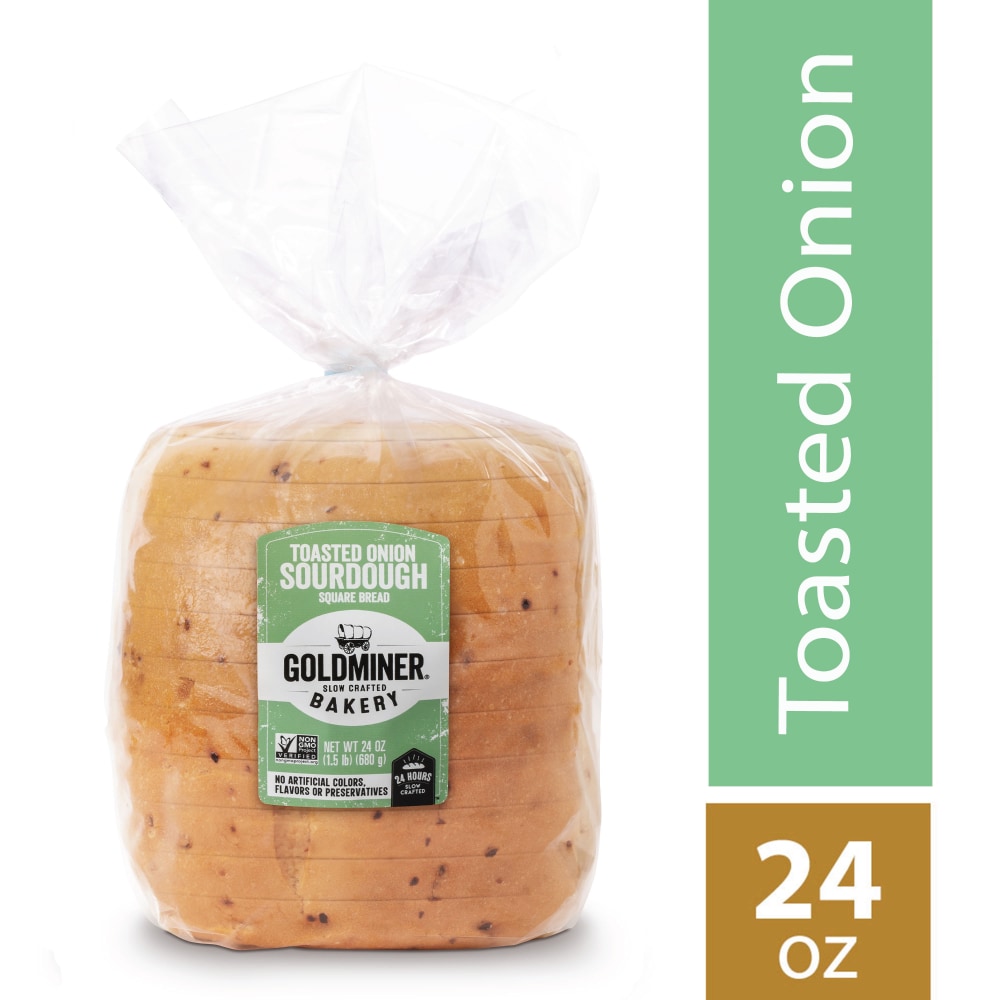


At a glance
Summary
This bread is moderately processed and contains vegetable oil, which is high in omega-6 fatty acids and can promote inflammation. While the ingredient list is relatively short, the presence of seed oils and the processed nature of the product limit its health benefits compared to less processed alternatives.
Key ingredients 7
WaterNeutral
Water is a fundamental ingredient in bread making, providing moisture and aiding in the activation of yeast. It helps in forming the dough and contributes to the texture of the bread. Water itself does not provide any nutritional value.
See more about Water →Dehydrated toasted onionsNeutral
Dehydrated toasted onions add flavor and aroma to the bread. They are processed by removing moisture, which concentrates their flavor. While they enhance taste, they do not significantly contribute to the nutritional profile of the bread.
Benefits
Adds flavor and aroma, enhancing the sensory experience of the bread.
SaltNeutral
Salt is used in bread to enhance flavor and control yeast activity. It plays a crucial role in strengthening the dough and improving its texture. While necessary in small amounts, excessive salt intake can lead to health issues.
Risks
Excessive consumption can contribute to high blood pressure and cardiovascular issues.
Benefits
Enhances flavor and strengthens dough structure.
YeastNeutral
Yeast is a leavening agent that ferments sugars to produce carbon dioxide, causing the dough to rise. It is essential for the texture and volume of bread. Yeast itself does not provide significant nutritional benefits.
Benefits
Essential for leavening, contributing to the bread's texture and volume.
Cultured wheat starchNeutral
Cultured wheat starch is used as a natural preservative to extend shelf life. It is produced by fermenting wheat starch with specific cultures. While it helps maintain freshness, it does not add significant nutritional value.
Benefits
Helps extend shelf life by acting as a natural preservative.
Enriched wheat flourBad
Refined grain flour stripped of bran and germ.
Risks
May contribute to blood sugar spikes due to its refined nature and lack of fiber.
Benefits
Provides essential vitamins and minerals such as iron and folic acid, which are important for various bodily functions.
Vegetable oilVery Bad
Vegetable oil, often canola or soybean, is used for its neutral flavor and moisture-retaining properties. These oils are high in omega-6 fatty acids, which can promote inflammation when consumed in excess. The extraction process often involves high heat and chemicals, which can degrade the oil's quality.
Risks
High omega-6 content may promote inflammation when consumed in excess.
Benefits
Provides moisture and a soft texture to baked goods.
Processing
Processed Foods
Get the full breakdown in the Scout appTake Scout shopping
Scan any product to see lab results, healthy alternatives, and your personalized analysis.
Download on theApp Store GET IT ONGoogle Play