


At a glance
Summary
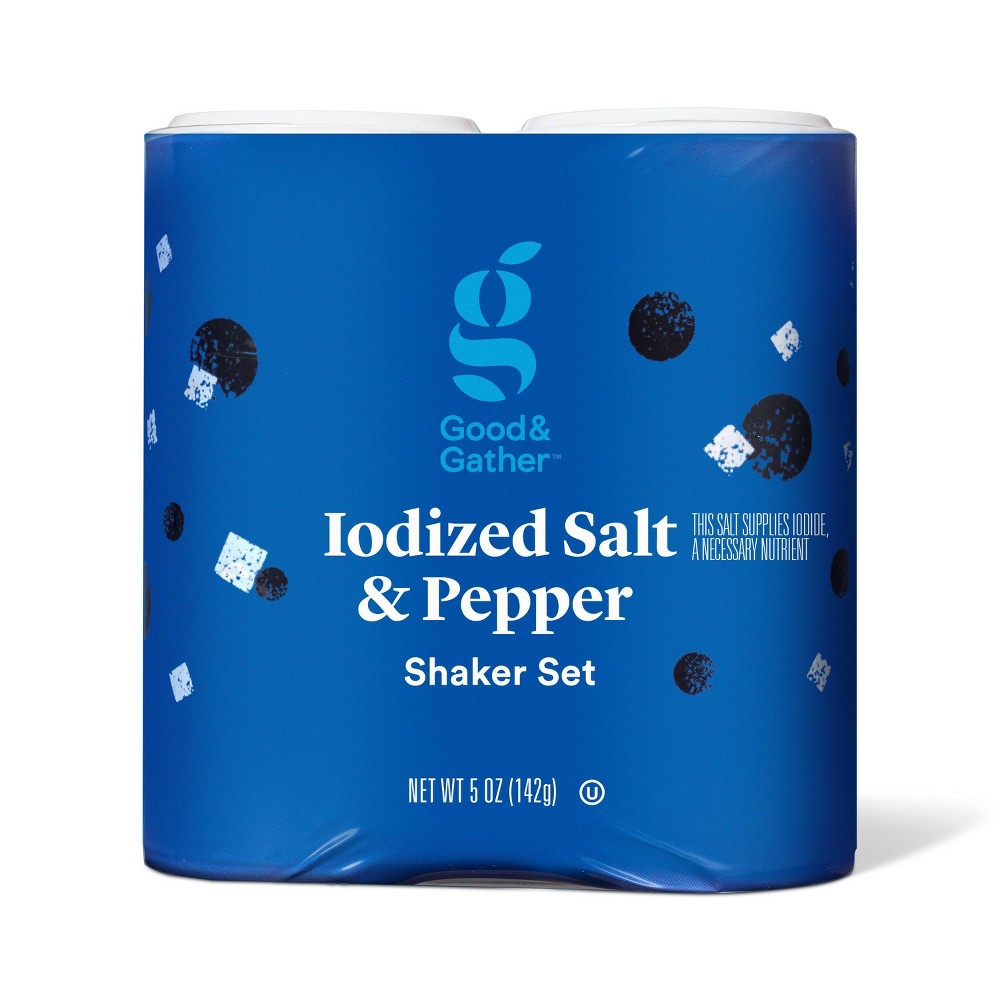
Iodized salt is a processed culinary ingredient that includes additives like dextrose and anti-caking agents, which are common in table salt to maintain flow and prevent clumping. While it provides essential iodine through potassium iodide, the presence of these additives and the processing involved slightly reduce its score compared to more natural, minimally processed salts.
Key ingredients 5
Potassium IodideGood
Potassium iodide is added to salt to prevent iodine deficiency, which is crucial for thyroid function. It is a stable form of iodine that ensures adequate intake in populations where iodine deficiency is common. The amount used is minimal and safe for consumption.
Benefits
Helps prevent iodine deficiency, supporting healthy thyroid function and metabolism.
SaltNeutral
Salt is a common culinary ingredient used for seasoning and preserving food. It is refined and lacks the trace minerals found in unrefined salts. While necessary for bodily functions, excessive intake can lead to health issues such as hypertension.
Risks
Excessive consumption of salt can lead to high blood pressure and increase the risk of cardiovascular diseases.
Benefits
Salt is essential for maintaining fluid balance and nerve function in the body.
Sodium BicarbonateNeutral
Sodium bicarbonate is used as an anti-caking agent in iodized salt. It is a common food additive that helps maintain the free-flowing nature of salt. It is generally recognized as safe when used in small quantities.
Benefits
Helps prevent clumping in salt, ensuring it remains free-flowing.
Yellow Prussiate of SodaNeutral
Yellow prussiate of soda is an anti-caking agent used in salt to prevent clumping. It is used in very small amounts and is considered safe by food safety authorities. Its presence does not significantly impact the nutritional profile of salt.
Benefits
Prevents clumping in salt, maintaining its usability and texture.
DextroseBad
Refined added sugar.
Risks
Excessive consumption of dextrose can contribute to weight gain and blood sugar spikes.
Benefits
In small amounts, dextrose can provide a quick source of energy.
Processing
Processed Culinary Ingredients
Get the full breakdown in the Scout appTake Scout shopping
Scan any product to see lab results, healthy alternatives, and your personalized analysis.
Download on theApp Store GET IT ONGoogle Play